




After Us
The longstanding career of Russian-born American curator and artist Liza Faktor reflects a sense of urgency regarding humanity's current trajectory. More specifically, she emphasises the existential consequences of failing to adapt to the challenges facing the planet, suggesting a choice between transformation and extinction. This “dilemma” echoes in both her curatorial and artistic work, as she explores themes of climate emergency, interconnectedness with nature, and the impact of human actions on the environment.
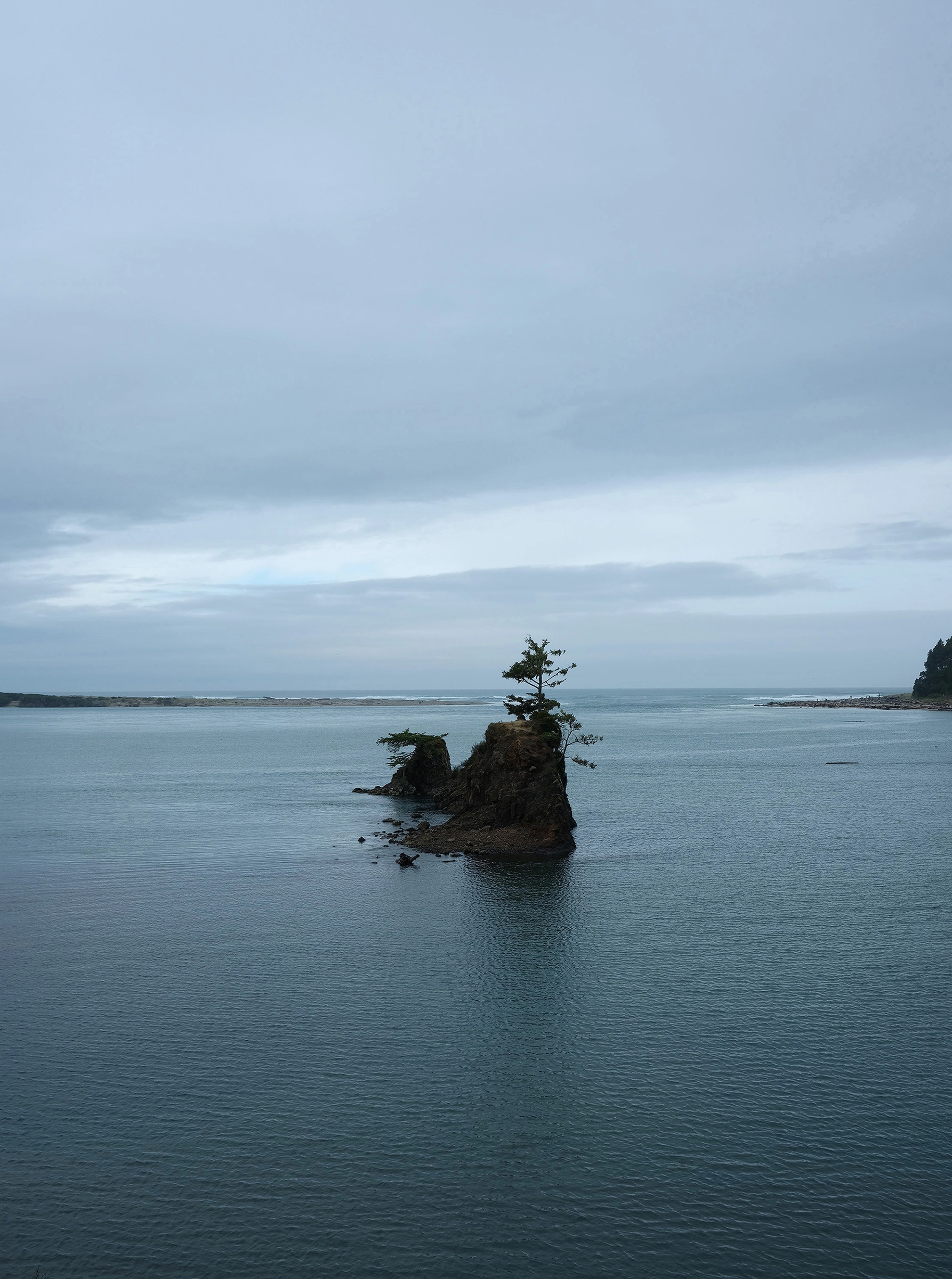
No stranger to wilderness and to studying traumatised land—committed to working in Siberia for long—Liza is now mainly focused on Oregon's old-growth temperate rainforests, known for their towering trees, lush vegetation, and vital role in supporting biodiversity and carbon sequestration. She started to immerse herself in the complex world of the biome of the Pacific Northwest, where, particularly in areas like the Coast Range and the western Cascades, the forests are characterised by large, mature trees, a multi-layered canopy, and abundant decaying wood.1
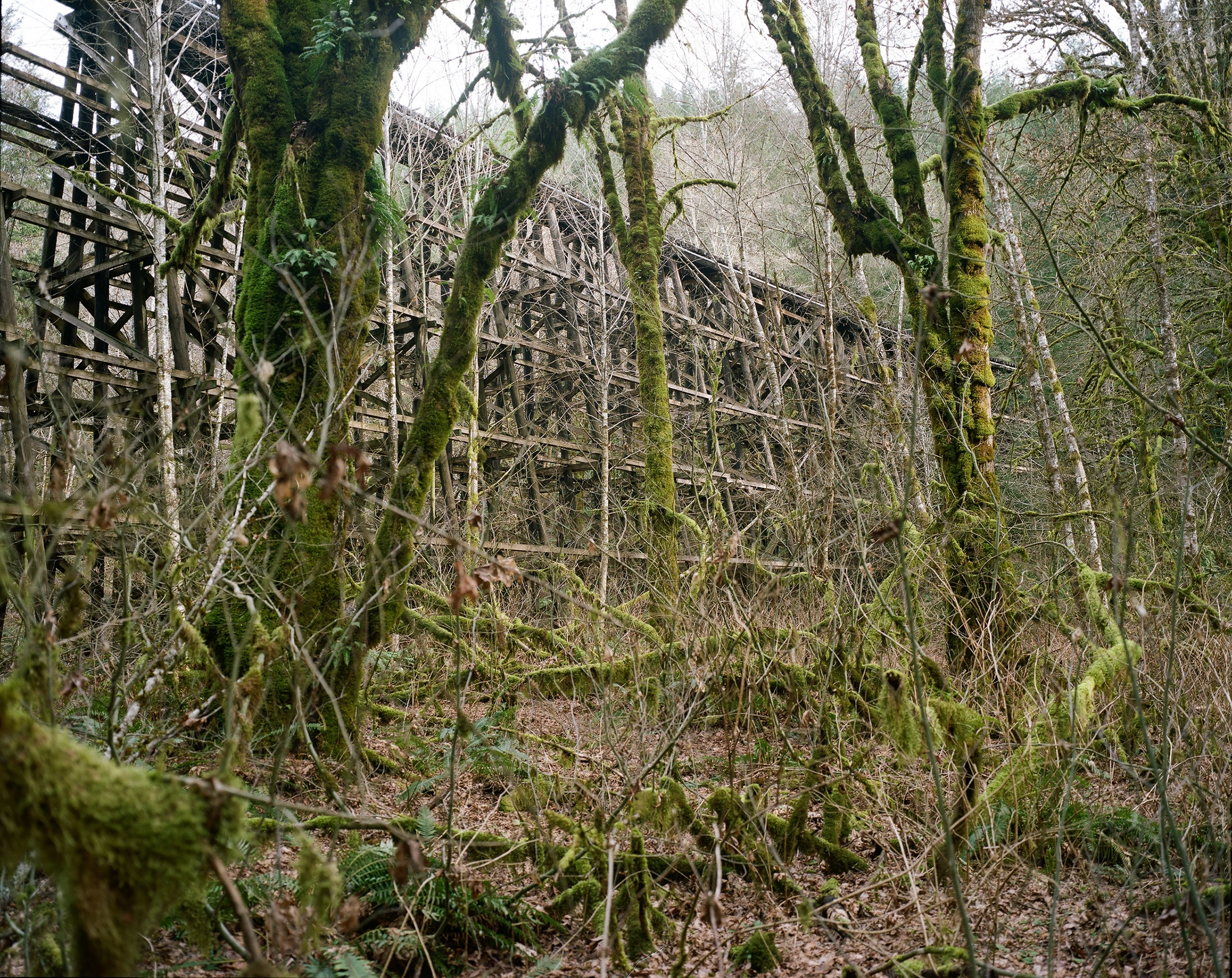
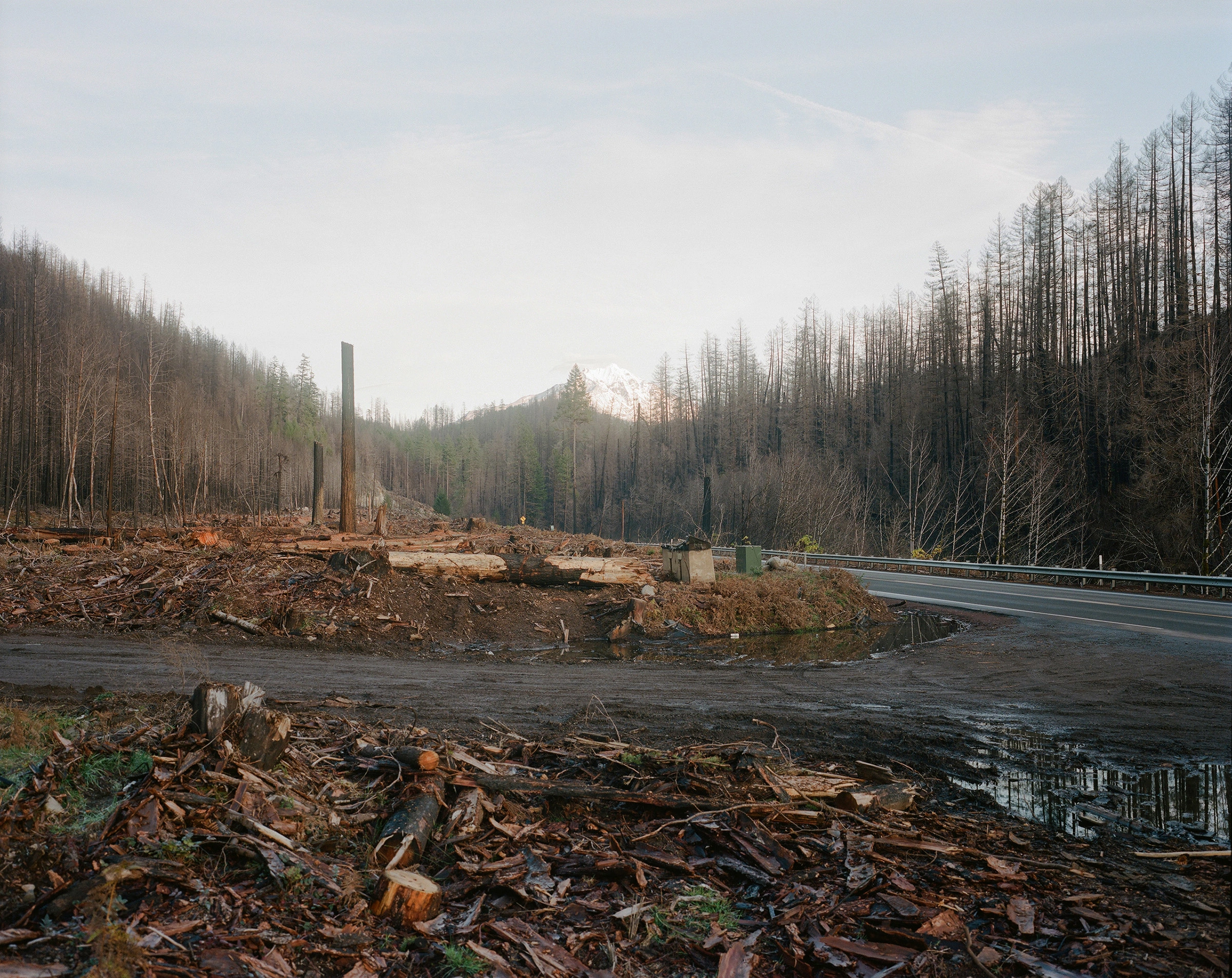
These are climate forests—absorbing and storing atmospheric carbon dioxide—and while some are protected in reserves and wilderness areas, others face threats from wildfires and, in some cases, logging. Few remain outside of protected areas, and meanwhile, the risks of further harm are imminent: due to changes in forest management plans, logging in the Pacific Northwest could triple, further impacting the already fragile old-growth forests.2 The impact is immense: logging these forests can destroy habitats, fragment ecosystems, and remove trees that are crucial for fire resistance and climate change mitigation.
Liza Faktor is serious in her engagement with the issue, yet doesn’t consider herself an environmental activist per se. Instead, she strives to move past the momentary advocacy and ‘save the planet’ message by an approach that is ignited by personal motives.

“We are living through a pivotal crisis of humanity; we either change our ways of being or cease to exist”.3
“Growing political unrest and conflict are overwhelming and distract us from tuning into the natural world, to the life that is going on with other species. The world has lost most of its primary forests, yet logging continues in these irreplaceable ecosystems across the United States, including the Pacific Northwest. With the current administration's policies, the threats to public lands, forest ecosystems, watersheds, and protected national monuments are difficult to comprehend fully.”
After Us is more or less an obvious continuation of Faktor’s interests and investigations as explored in Siberia: the resilience of nature to human intervention, and memories stored in the landscape—thus helping her to once again connect the dots between recent colonisation, exile, violence, as well as prehistoric, prehuman and pre-industrial serenity. In fact, she actively draws parallels between Russia and the USA, which she considers as two empires with an inbuilt drive to conquer; with a consumer demeanour towards the land, the indigenous peoples, and the nonhumans.
One of the crucial aspects of After Us stems from the artist’s need for belonging after an abrupt health trauma she’s undergone, as well as from prolonged uprootedness. In other words, the project is mainly driven by coming to terms with the endangered ecosystem that literally provides Liza with oxygen, and she’s trying to process what is at stake and what these rich ecosystems mean for humans and the rest of the living world. “Above all,” she wants to have noted, “it serves as my gratitude to what the forests are doing for us—postponing our extinction.”
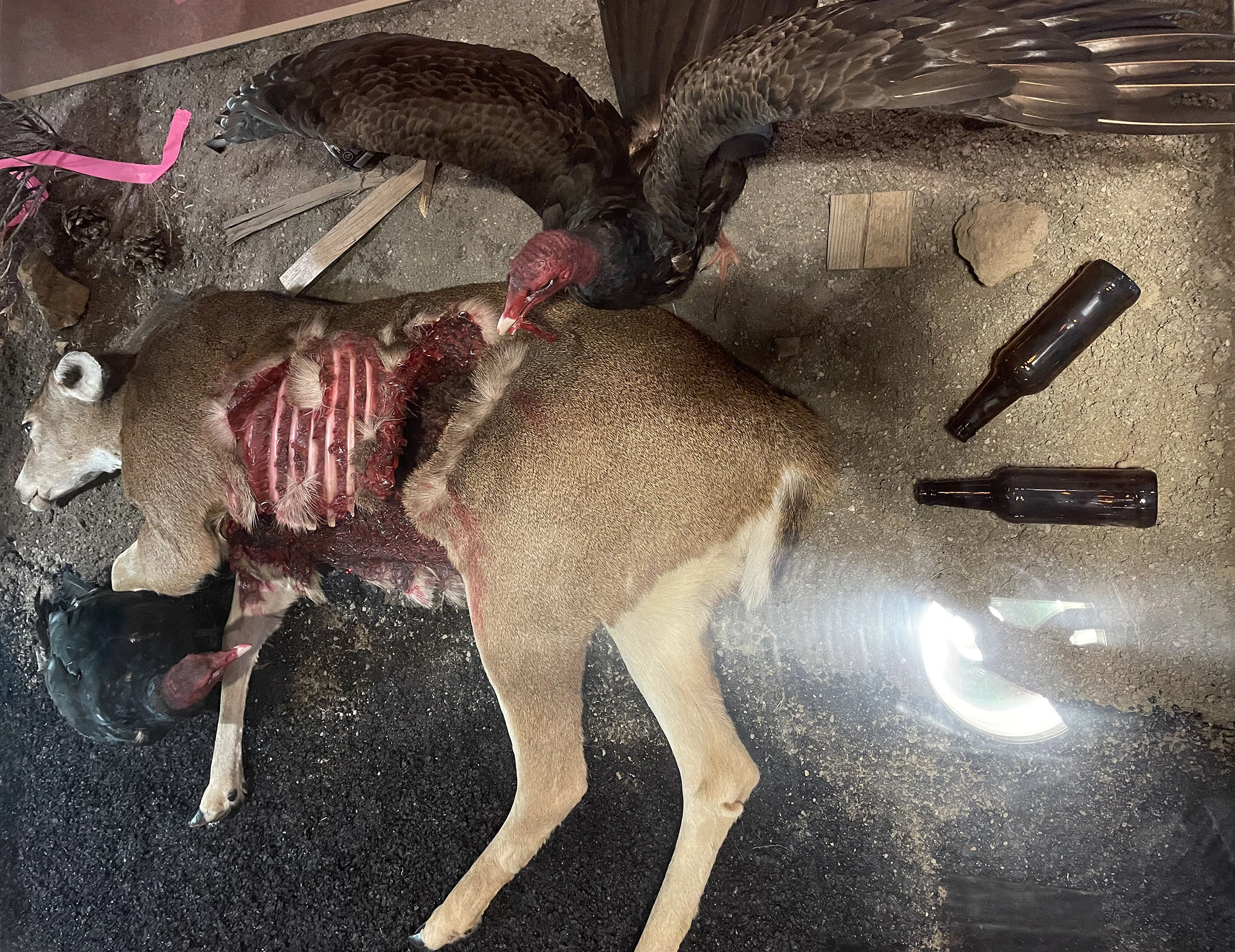
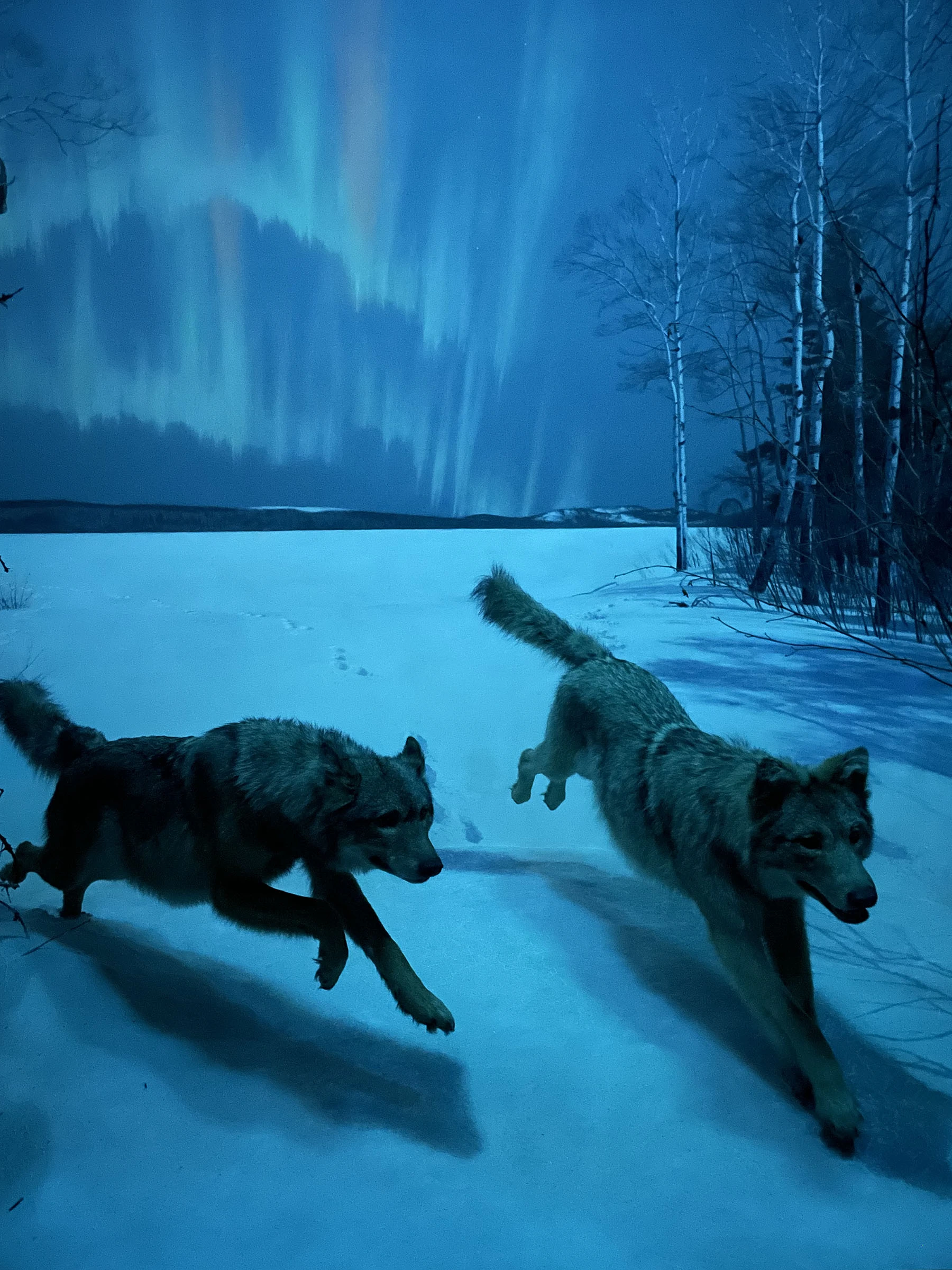

A threat of absolute disappearance, that is what her pictures, as so far produced, speak of, illustrating deforestation, climate change effects, and encroachment, yet at the same time, we can sense the expression of a genuine affection for the resilience and strength of nature. Even though she’s rather pessimistic about the fate of our species, Liza still believes in the power of imagination and creative thinking and sees her contribution as broadcasting some of the magic reflected in these precious forests.
After Us moves towards a visualisation of resilience, loss, and hope; to serve as a coping strategy, a personal dealing with the forecasted disaster, while it can also be understood as an act of recuperation, finding strength in doing the best you can when balancing on a narrow path between hope and cynical denial (avoiding the latter). This work is not so much aimed at showing the forest as at visually indicating how it feels to be inside it. “The aim of my work as an artist, curator and arts facilitator,” Liza states, “is to encourage the deeper engagement among audiences with the themes that I’ve drawn from: the meeting of indigenous and scientific knowledges, the loss of land, livelihood and habitats of humans and nonhumans, and our intertwined relationships with all living beings.”
Nature is, of course, a multi-sensory world, and thus commonly speaks to a problem at the heart of photography. In a forest, you are enveloped by space—trees above, below, all around. The sense of depth and scale can feel infinite, but a photo flattens this experience into a frame. A forest isn't just visual; it's heard (rustling leaves, bird calls), smelled (moss, earth), felt (humidity, temperature, bark texture), and even tasted (air quality, foraged plants), while a photograph captures only a fraction of this. Clearly put: transcending this rich sensory experience into an equivalent 2D visual medium is inherently quixotic.
Therefore, in addition to exhibiting the work in traditional art spaces, Liza aims for a more comprehensive curatorial experience. Most practically, by incorporating her images and sounds of endangered species, obtained from U.S. Forest Service and Oregon State University scientists conducting a massive bioacoustics research project. They kindly provided Liza with the wealth of sound data of the species and sounds that she sought: the calls of the famous and evasive northern spotted owl, marbled murrelet and grey wolf, forest ‘silence’, dawn chorus of birds, and so on.4

Liza plans to collaborate with medical institutions to create a healing chapel, installed as a temporary or permanent artwork in a hospital. This should then serve as a space for immersion —for those who can’t venture into nature because of illness or disability, and even for doctors and nurses to get some relief. This “art shrine” should become a genuine agent for healing. Again, with self-interest: by engaging with patient communities, approaching the complex subject of disconnected audiences, by creating an emotional entry point for people whose views on politics, extraction economy and environment are different from hers, Liza proactively aims to bridge the current disconnects, as experienced on several levels—both personal and in society and in nature.
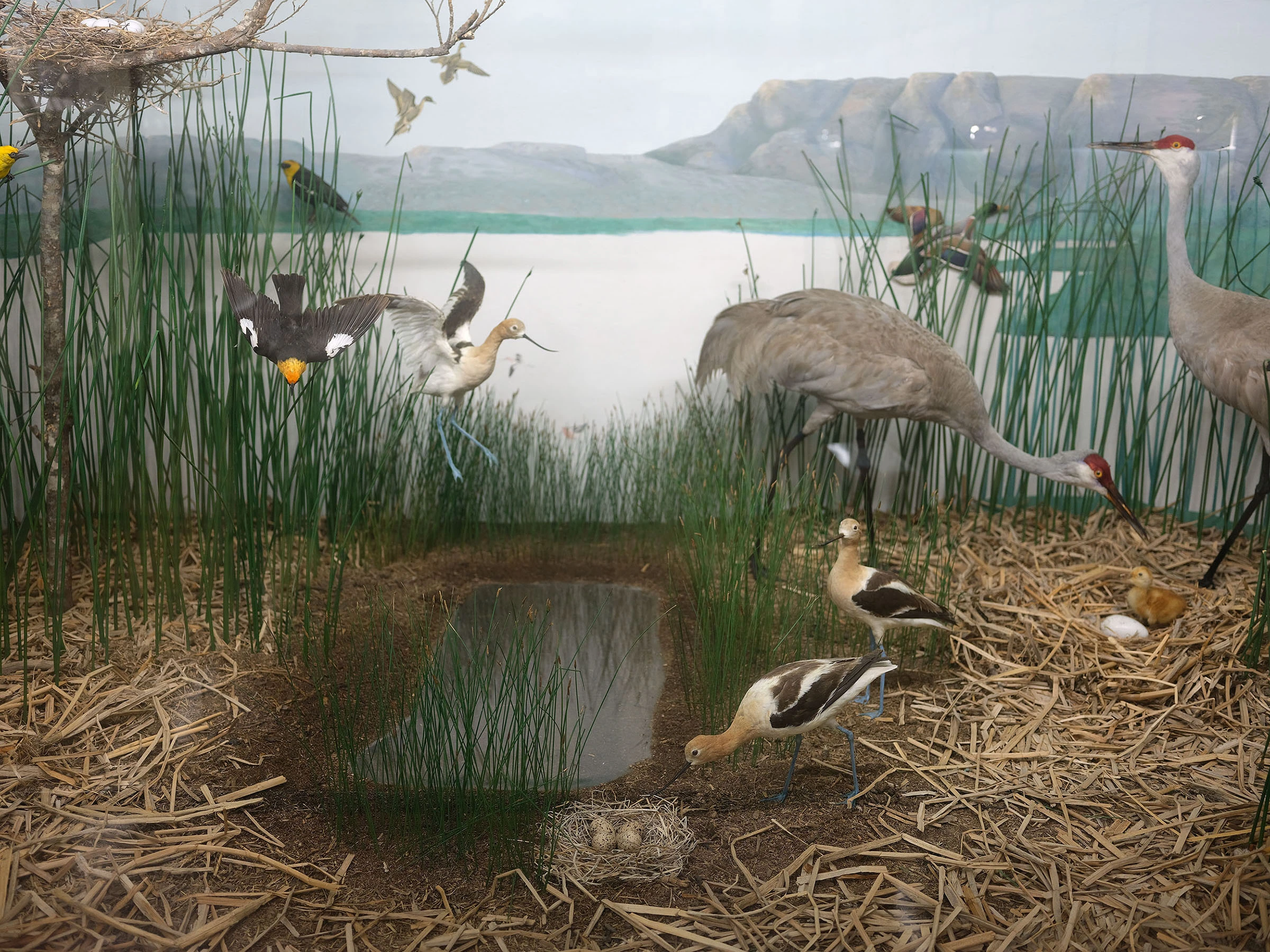
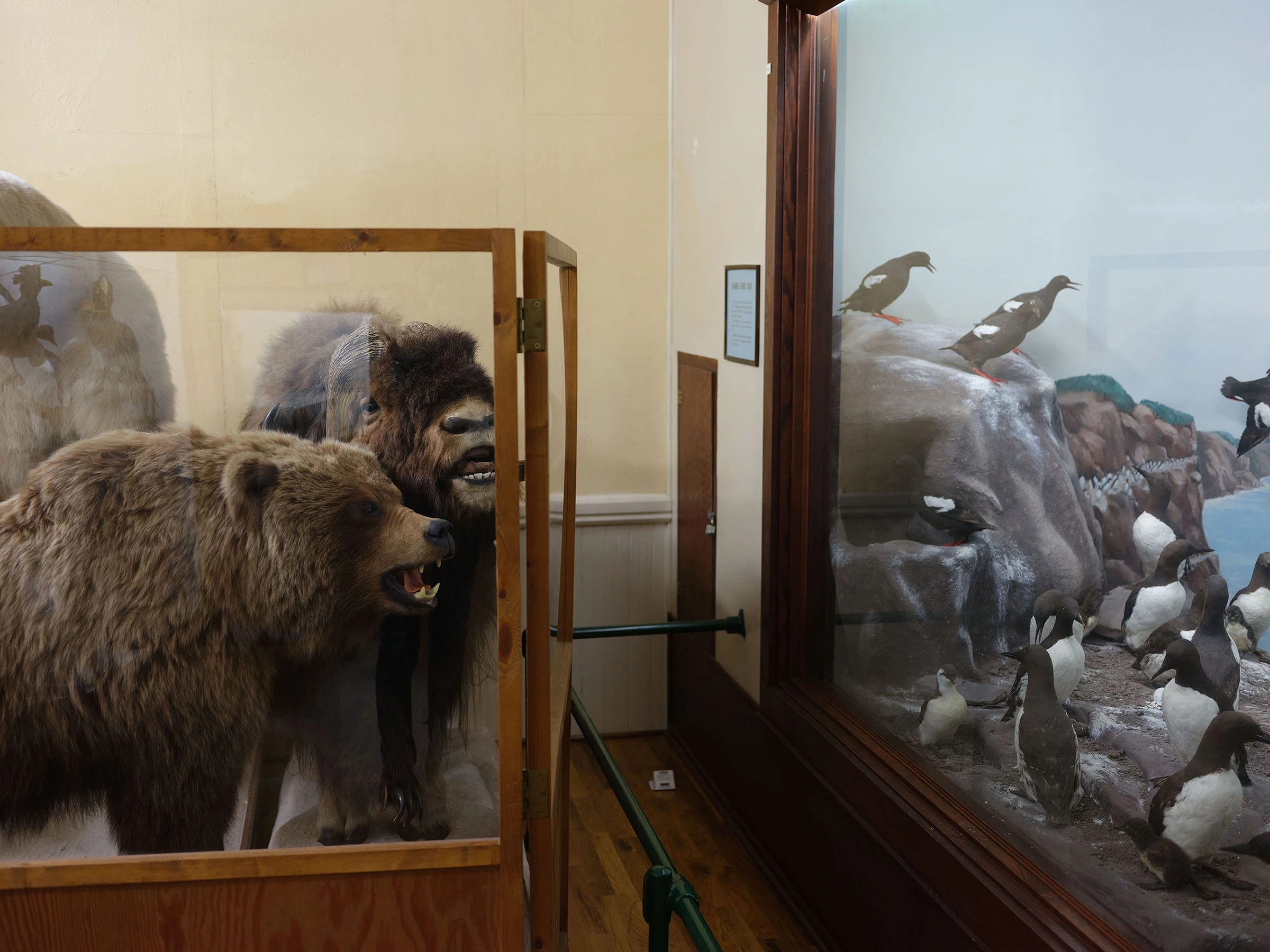
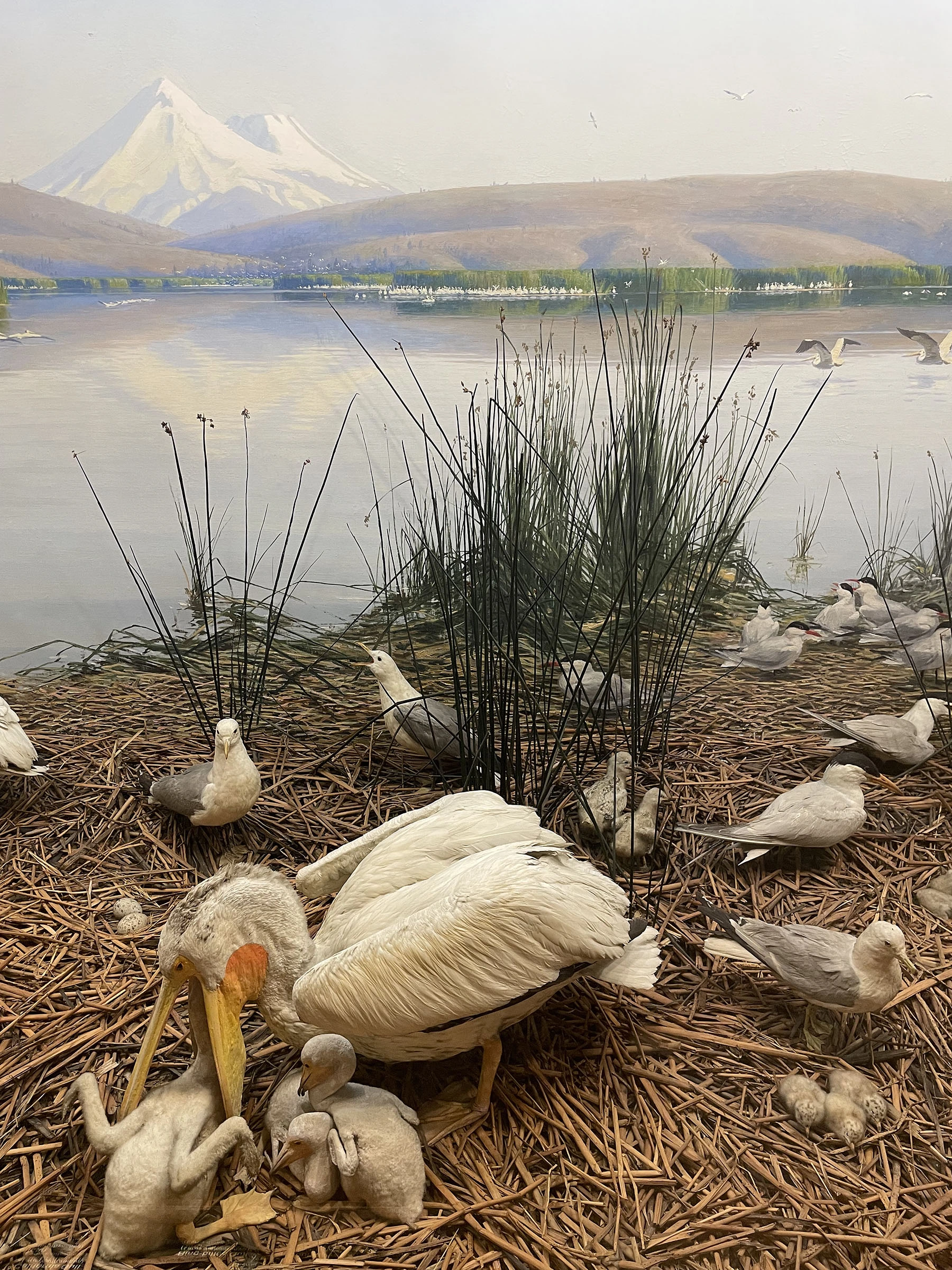
Besides this multifaceted approach, she explores alternative angles on her concern with human-nature relationships. For instance, long before this recently launched inquiry into forest ecosystems, she had already begun taking pictures of the taxidermied species in the big and small museums of natural history and science, in an effort to learn about their environments and to imagine their lives before us—and alongside ours. Liza: “I always disliked zoos and never really wished to see wild animals living in captivity, but going to these museums grew on me much more than frequenting contemporary art spaces. It also helped me to understand something about our own tendencies.”
Theatre of Nature— to be understood as a first stage from which After Us eventually evolves— serves as an illustration of the human desire to collect and categorise everything, as if we were creating a massive Noah’s Ark. “To me,” Liza says, “the formal taxonomy represents a contradiction: the more we try to understand nonhumans, the more we study them, the further we are driven away from just being with them. Sometimes I wonder why we go to such lengths to record traces of other species that are disappearing at a striking rate because of us? For whom? As if humanity is immune to extinction.”
1 Among the tree species that make for these unique PNW-forests are: Sitka spruce, Douglas-fir, Western hemlock, Western redcedar, Bigleaf maple, Vine maple, Red alder, or Black cottonwood (Populus balsamifera). Besides the trees, salmonberry and huckleberry are common shrubs while Licorice fern, Oregon selaginella, Cat-tail moss, and Lungwort are the plants growing on tree trunks & branches. Also, grazing by Roosevelt elk often helps to keep the rain forest understory open: Oregon oxalis, Sword fern, Stair-step moss, and hundreds of other species of mosses, lichens and liverworts.
2 The Bureau of Land Management is proposing logging projects that would affect thousands of acres of mature and old-growth trees, such as the "Last Chance" project, which includes commercial logging, road renovation, and new road construction. The Blue and Gold Projects, meanwhile, involves logging some of the last remaining old-growth stands located in the Oregon Coast Range.
3 Quotations in this article arrive from statements made in an email conversation with the artist and as previously expressed via other media. See, for instance, also: https://www.orartswatch.org/in-forests-liza-faktor-finds-inspiration-and-consolation/


