


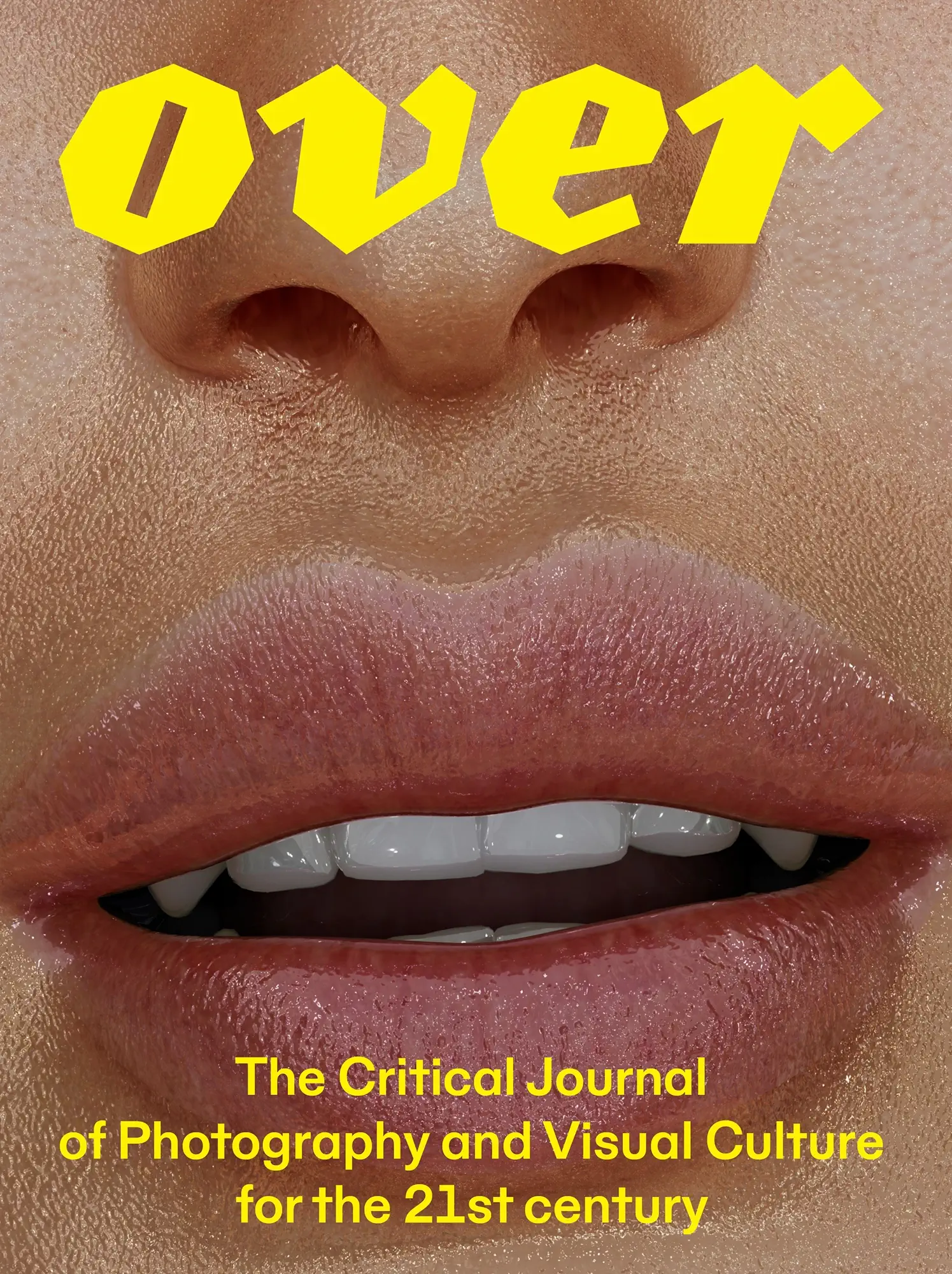


Harsh Salvation
Epic, morbid collages with an unruly sense of imminence and uncanny splendour make Mellow Apocalypse (2022) a perfect title for this body of work by Alnis Stakle. Carefully articulated chaos makes for scenes which present an uneasy grandeur, looming with history and death.
Michelangelo’s Sistine Chapel tells a beautifully articulated story of mankind. Its Biblical scenes are carefully composed, overwhelmingly employing countless figures overlapping in despair and glory, plastered on the walls, ceilings and crevices of its immaculate chapel. Stakle’s collages are similarly heavily populated with overlapping bodies, setting scenes of life and death, creation and destruction; overwhelmed images. While Biblical narratives are Michelangelo’s subject matter, the complex history of visual culture in art, science and journalism is Stakle’s; each pinch of these collages arriving at us with varying degrees of recognisability.
Stakle’s collages employ photography as their predominant source material. A visual history of society through photography is essentially the story of the 20th century, with its historic advances and devastating destruction. Stakle does not aim at any comprehensive narrative through these collages, no ‘snapshot’ of history is present here. Rather, Stakle is revealing how infinite, how vast our visual culture is; presenting but a mere slither of what new contemporary meaning is possible.
These collages are amassed images from three distinct but influential corners of our visual culture, namely canonised artistic, scientific, and journalistic images, but they are collages nonetheless. While Stakle is a photographer, the photographs presented in Mellow Apocalypse are not his own. There is something to be said about the nature of photography within this dynamic.
In Camera Lucida, Barthes describes being overcome with an “ontological desire”, a need to understand the complexity of photography through the discovery of its most basic elements. Perhaps even more pressingly, he attempts to distinguish photography from a community of images by establishing that a photograph ‘cannot be distinguished from its referent (from what it represents)’,1 furthermore that photography is ‘pure contingency and can be nothing else’.2
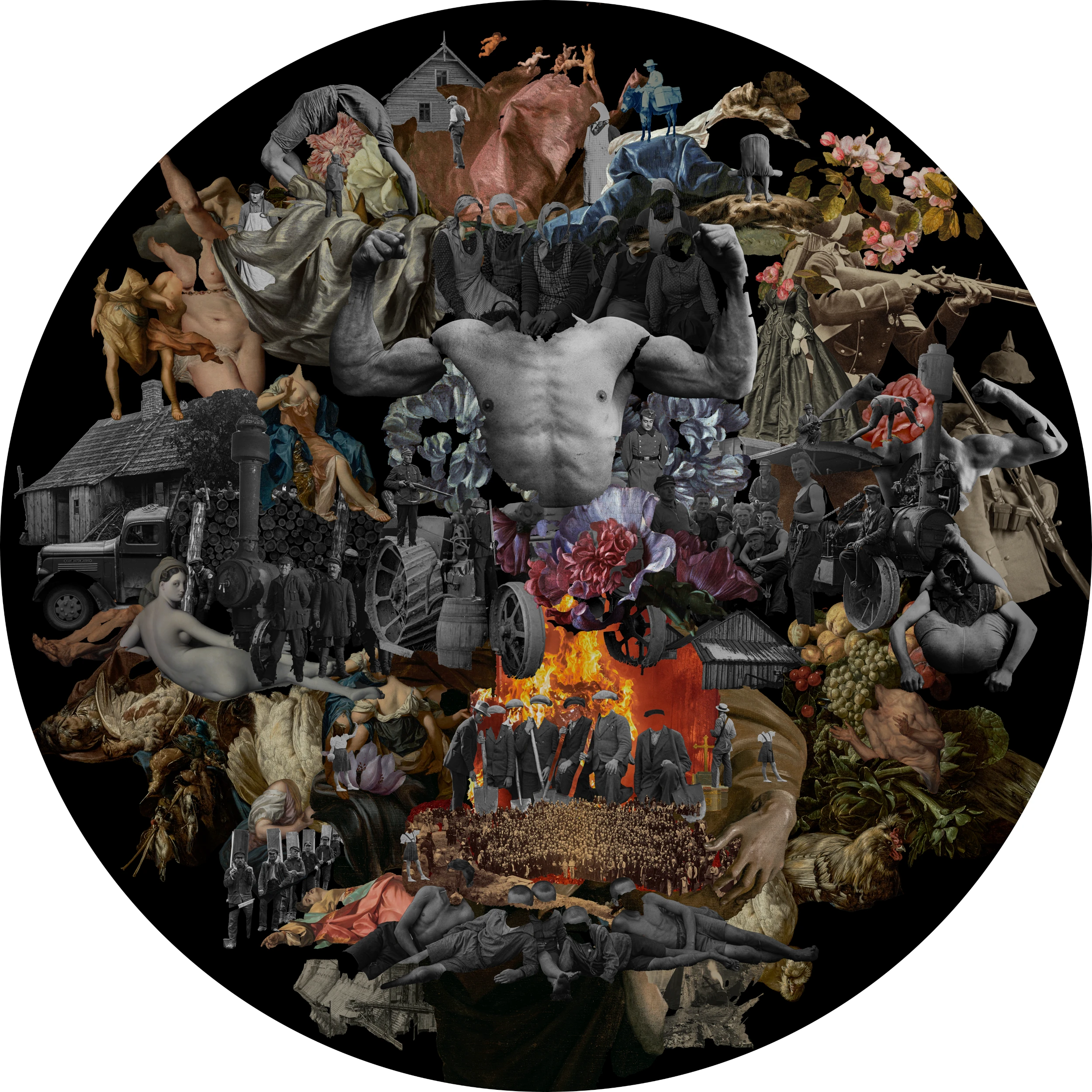
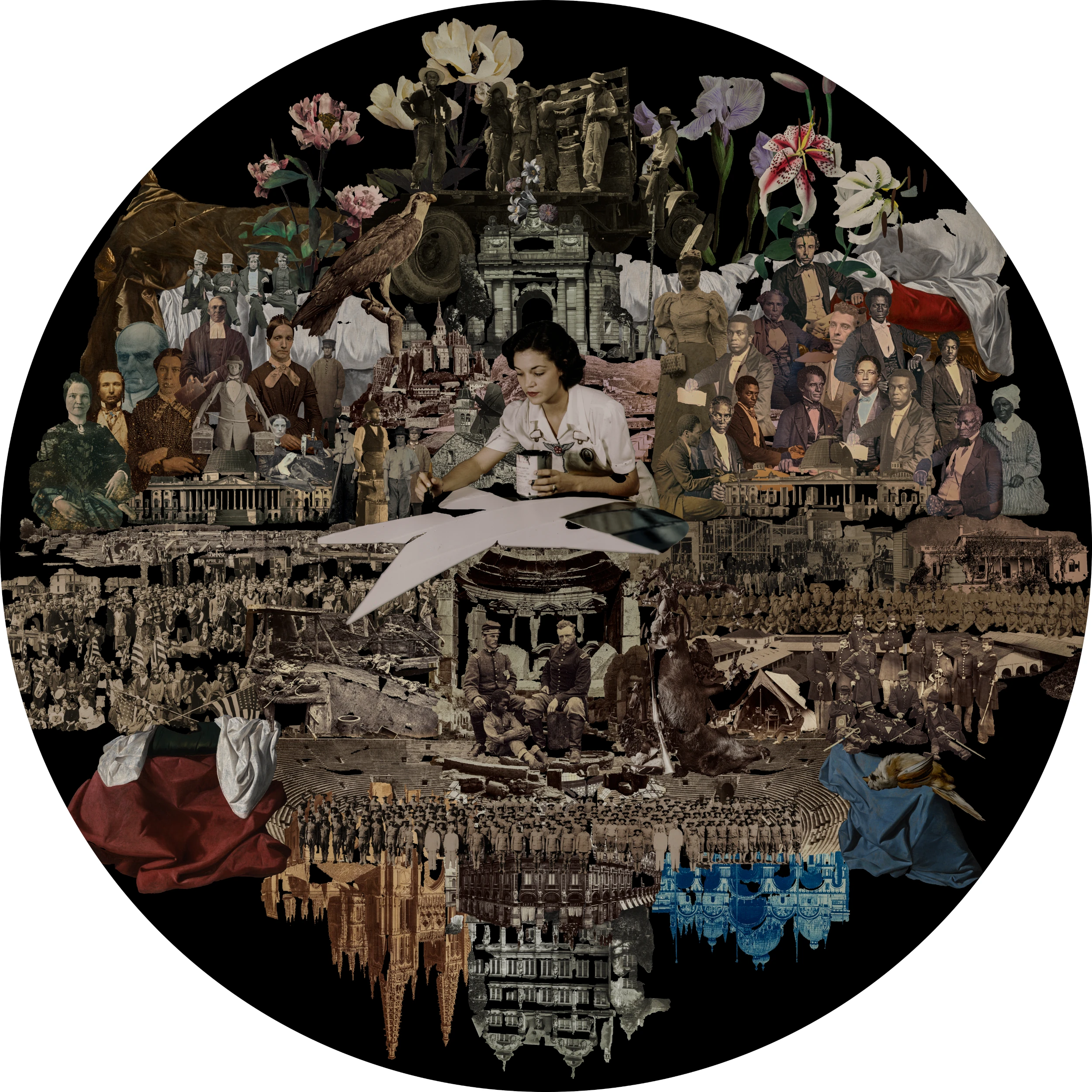
Accepting this ontological stance on photography, looking at Stakle’s collages we are reminded that we cannot separate any image present within the collage from its direct reference to the world in which it was taken. Every figure, any church, any army, any factory or military portrait present in Mellow Apocalypse carries the weight and meaning of its context. Stakle’s method of cropping these images from their original composition does not remove these subjects from their context and in doing so these subjects carry all their meaning and identity into a new contemporary context. The choices of what to crop, what subjects to elect side by side, is what brings Stakle’s unique commentary on visual culture to the fore in this work.
In Barthes’ journey to reach an ontology of photography, the ‘in itself’ of photography, he develops his theory of meaning, most relevant to us is that of the punctum. The punctum is not what we seek out in a photography, but what rises from the scene. It is a ‘sting, speck, cut’3 that which punctures through. It is crucial to understand that once we attempt to translate the punctum into language, it ceases to be a punctum and falls into another realm. I am not attempting to allude to what the prick of these photographs may be for Stakle, but rather establish that it is the punctum, the images’ ability to prick and bruise that likely lured Stakle to choose them for these collages. While we’d typically see these images in isolation, to see a mass of the most penetrating images visual culture has to offer makes for an overwhelming sense of multiple points that crave attention. Surely the eye cannot rest on any one fragment in such overwhelming conditions? To do so would be damn near apocalyptic to our sight, and representative of the phenomena of the oversaturated image.
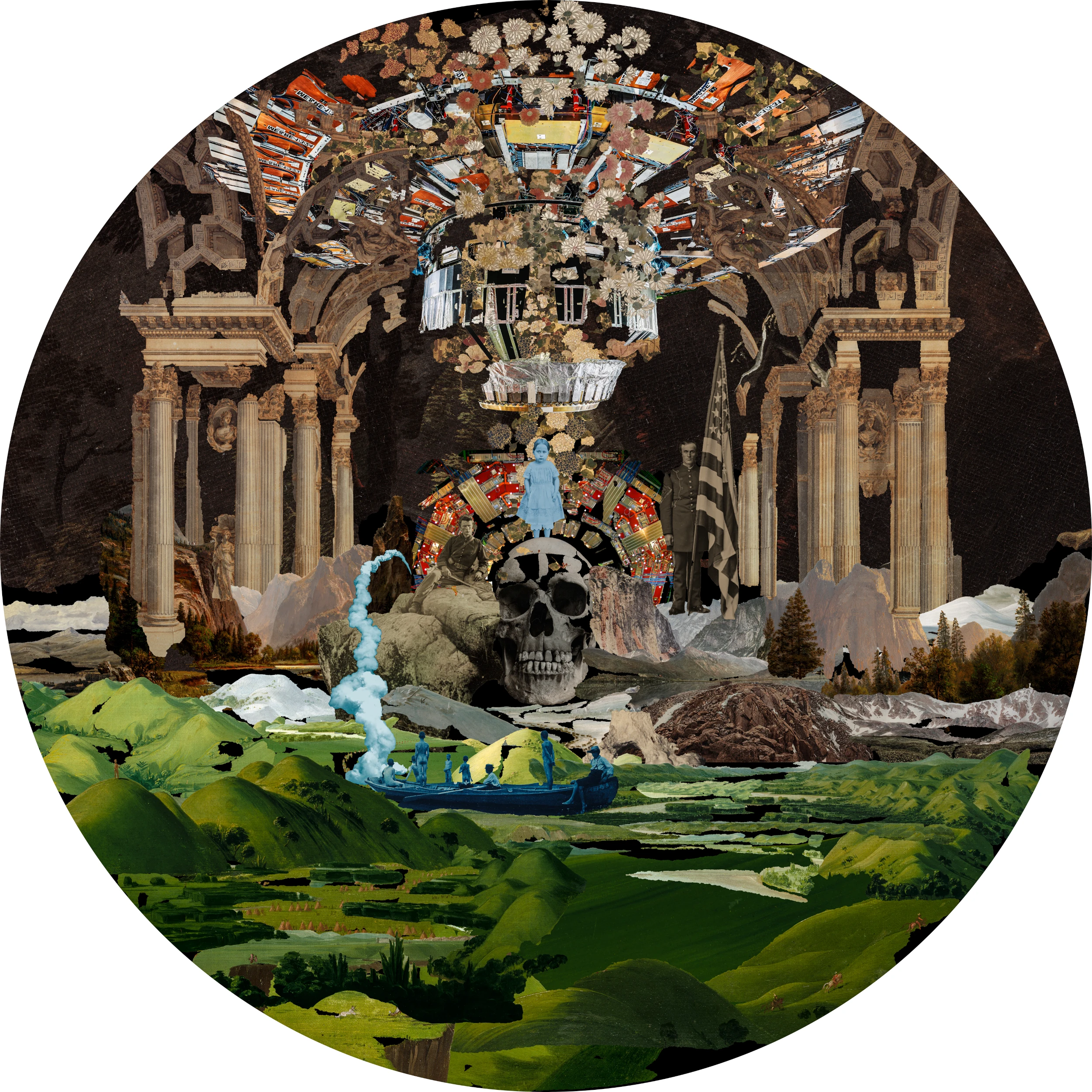
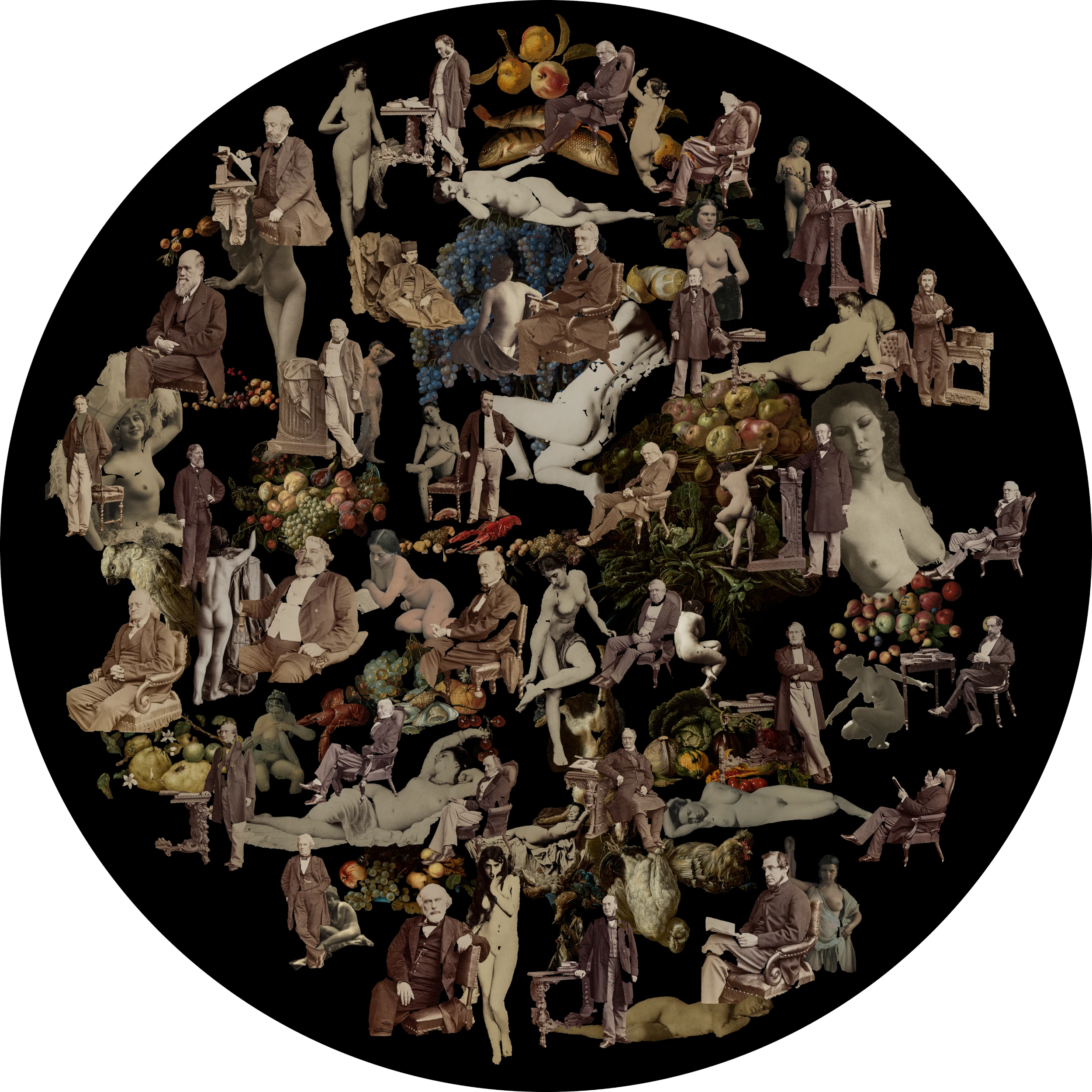
It is tempting to argue that the heavily populated works of Mellow Apocalypse, which contain many images that demand our attention, are too dense to comprehend―that we are oversaturated with images and maximise our capacity. I believe the truth is the opposite. Returning to our paralleling of Mellow Apocalypse with the splendour of the Sistine Chapel, 16th century audiences of the freshly painted frescos would have been in reverent deluge before such scenes. It was the church's intention to overwhelm its congregations in pious revelation at the narratives illustrated before them in glory, humility, and fear of the Lord. This submersion under the weight of images has followed through to the 20th century for the modern spectator of photography, but this is not the case for the contemporary audiences who possess a 21st century capacity for images. Many of us can (and do) utilise multiple sources of visual input at once. We can watch Netflix while scrolling an infinite Instagram feed, with your emails sat on your lap. In truth, our tolerance and ability to comprehend a sea of images is not limited, but rather we have exercised and expanded our attention capacity to previously unfathomable limits in such a way that it facilitates our ability to digest dense visuals as present in Mellow Apocalypse. We have the faculties to engage thoroughly with a dense forest of visuals, but we more often than not choose not to. The choice as to what images to attend to is not just a vital skill in our digital age, but also in choosing to engage with this body of work, which is uniquely suited to the contemporary capacity of visual culture.
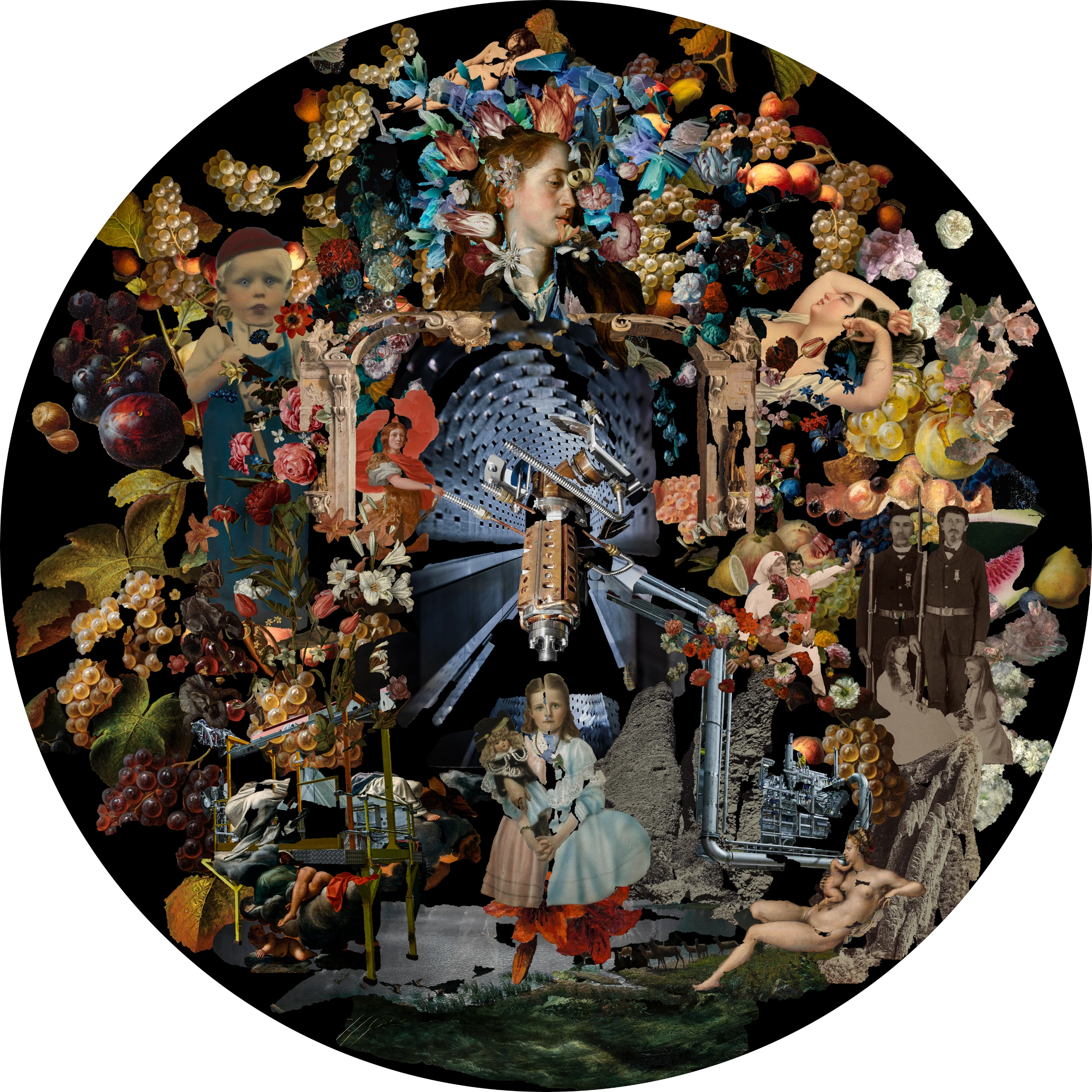
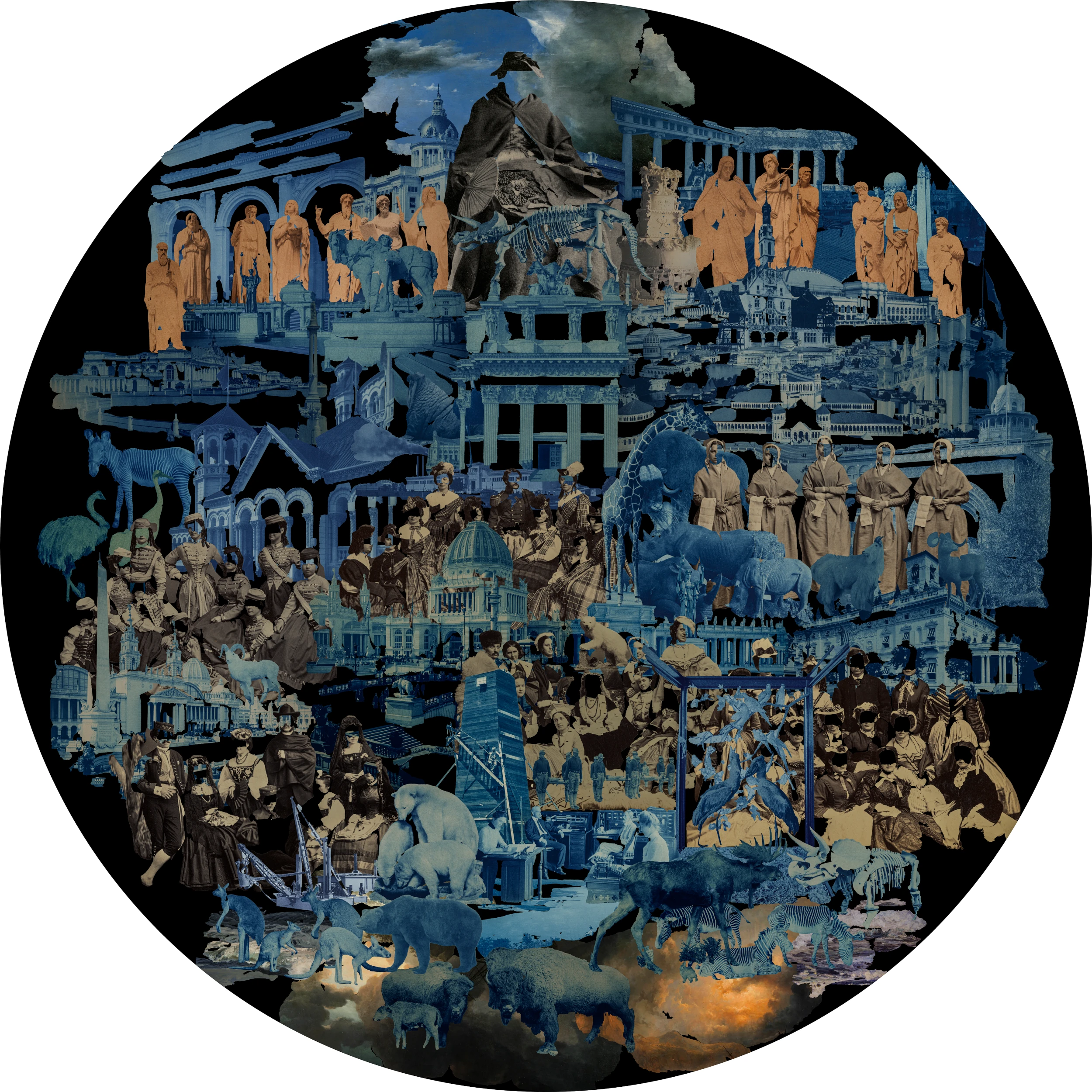
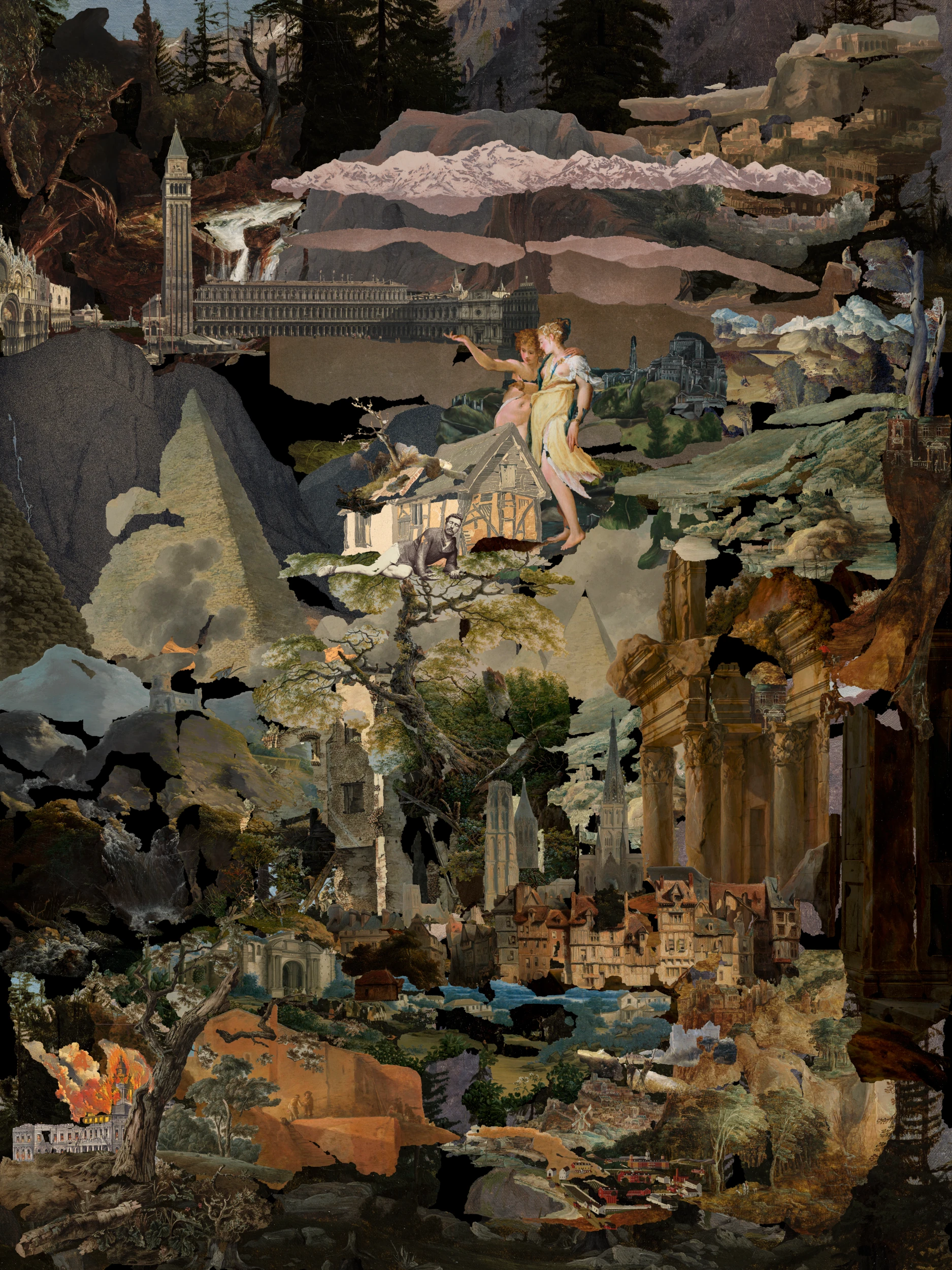
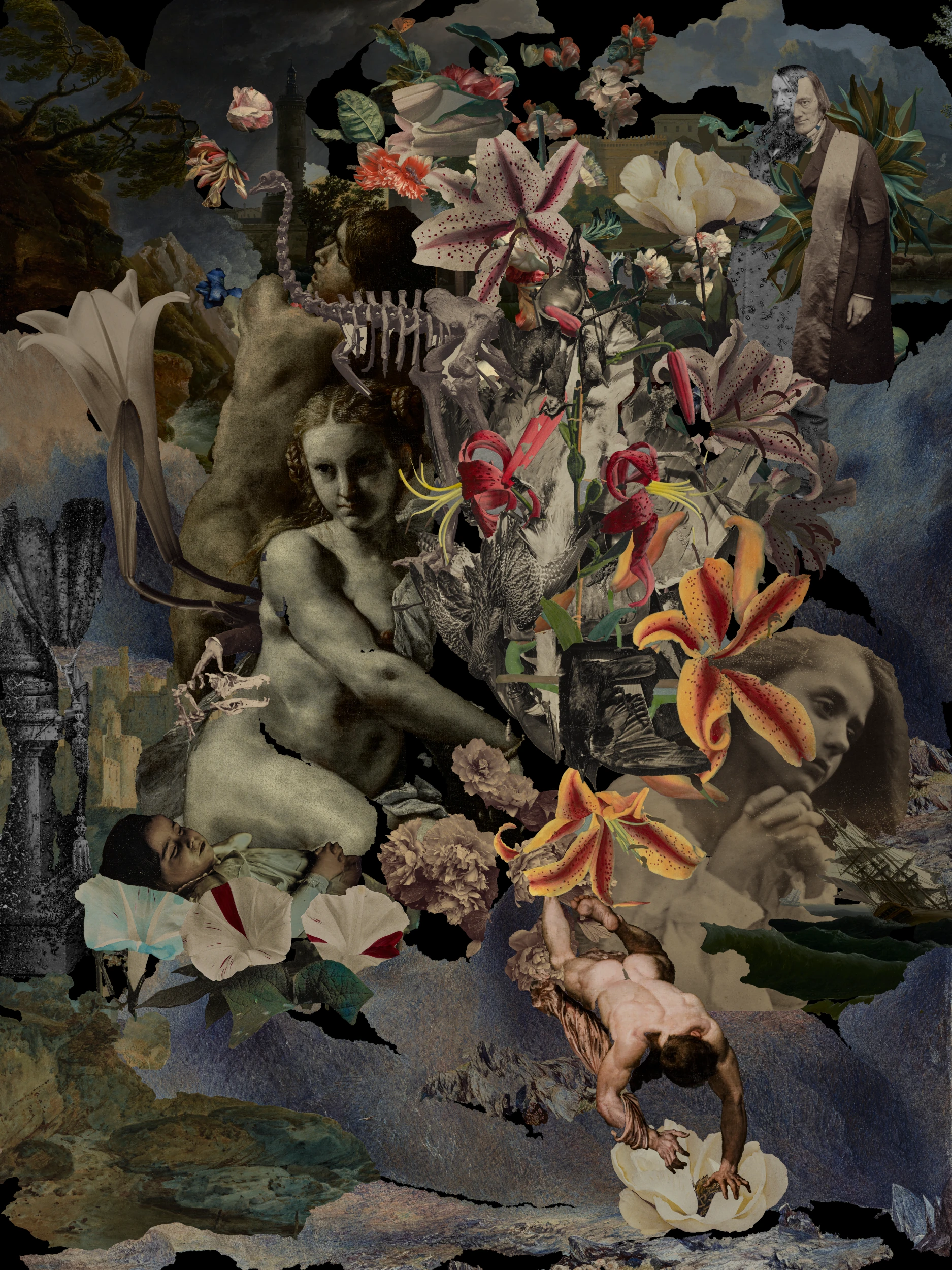
Along with our higher tolerance for images which punctuate our attention from all sides, we are also in a position to understand and create new meaning within collages such as that of Mellow Apocalypse. Our inner image bank, the personal subconscious archive of images, is vast. This is in part due to our constant exposure to screens, but also thanks to an increasingly educated and visually literate population, a population which travels the globe with ease and inventively engages in visual culture present in institutions around the world. With more references being understood, the possibility of new meaning to be coagulated and extracted from the work is also heightened. Images circulating within a largely educated population democratises our capacity to engage and learn from these images in a way that the 16th century spectators would not allow due to the Latin barrier of scripts within religious imagery.
Stakle's work is made for our contemporary capacity for images, and appeals to more of our visual familiarities. These carefully selected images group together to generate a whole new image, full of possibility for meaning making than any one image could have had; infinite possibilities lie in the collaged image and in the viewer respectively. Our capacity allows for such an array of images to no longer be apocalyptic to our sight, but rather serves as a salvation, images and narratives, such as that of the Sistine Chapel, that are worthy of our attention.
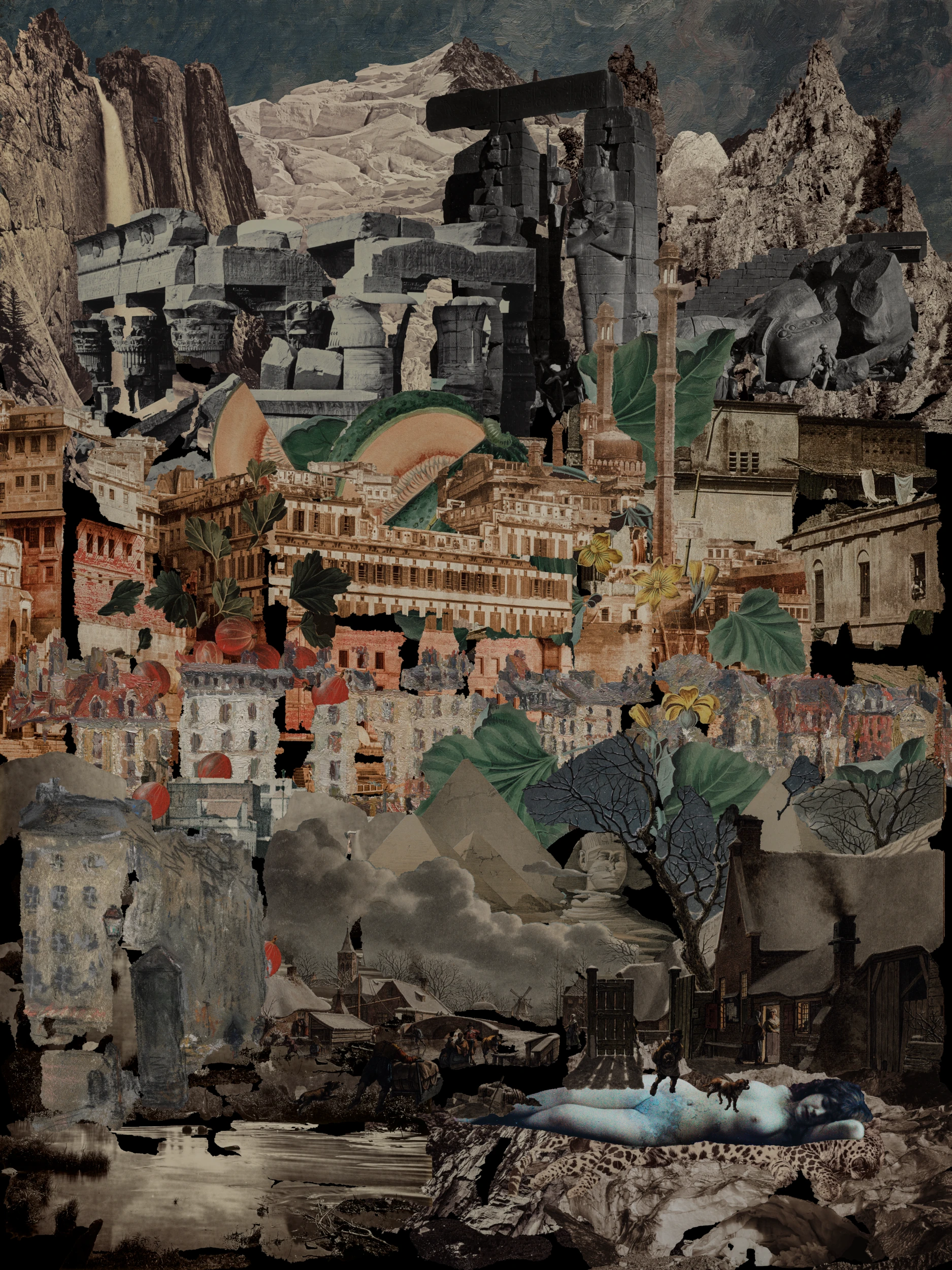
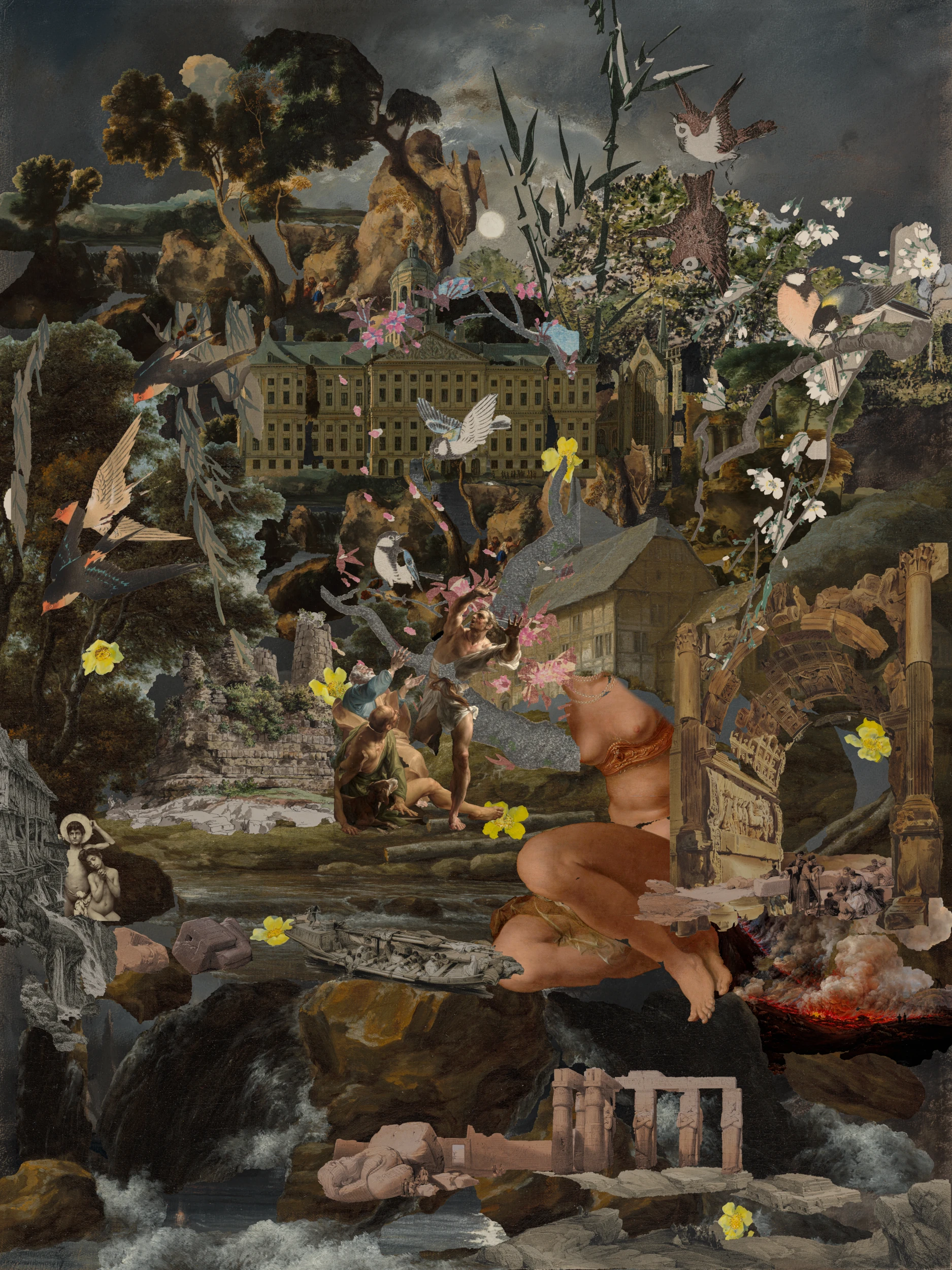
Images by Alnis Stakle.
1 2 3 Barthes, R. (1993, June 30). Camera Lucida: Reflections on Photography (New Ed). Vintage Uk.


