

Queer View Lens
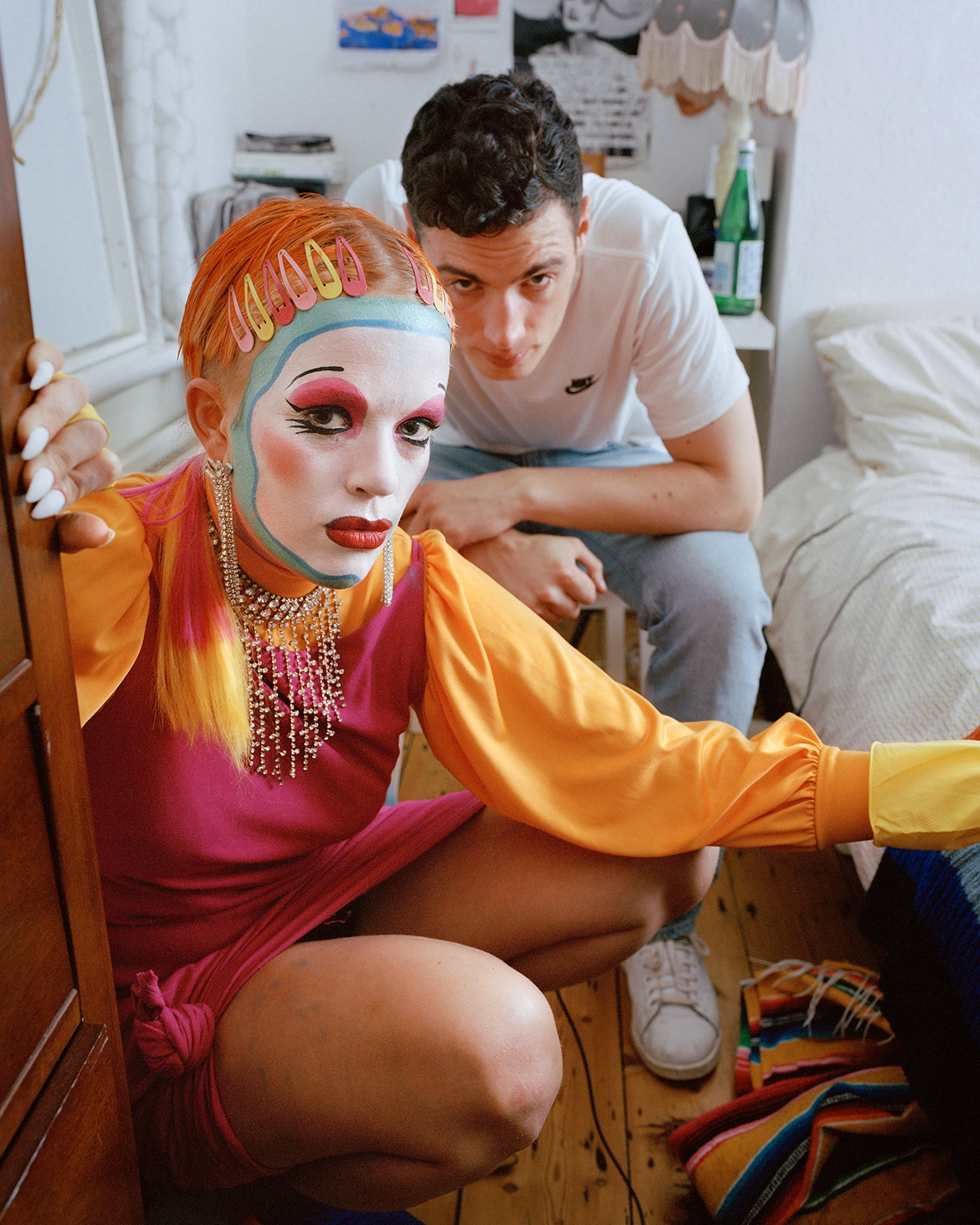
I was first introduced to the work of Daragh Soden at an exhibition at Rathfarnham Castle, in the suburbs of Dublin, at the 2022 edition of PhotoIreland Festival. The striking contrast of the art and the location was beautifully apparent from entering the first room with the opening image in the series setting the tone. A tangerine dream: a doe-eyed person in a full face of costume makeup, accented with blue, white, and a grounding fuchsia presence, crouched down in their bedroom. Daragh, the artist, is sitting just behind, shutter in hand to capture the shot, dressed more ‘everyday’. There is an intrigue in both sitters, staring down the camera. This is a world of drag, camp, fluidity of gender, of thought and performance. This is quite the contrast to the castle’s painted murals of religious iconography and scenes, but also not. In all, it is a performance and play.
Titled Ladies and Gentleman, Soden’s series is as much an announcement of a performance, as it is an invitation for the audience to question these terms, their inferences, and our expectations from them. This a fluid space, it is a space understanding that both those terms have meaning that we can lean to and lean from. Judith Butler articulates this in more fluent thoughts: gender is a construct and performance, it is a way we navigate the world, it is a way the world sees us and the way we see ourselves. To quote RuPaul’s Drag Race winner Sasha Velour: “gender is a construct, tear it apart”.
Asking Daragh about the many people portrayed in the works, he explains, “some of the people were and have remained as drag artists, some identified as cross dressers when we shot and now identify as trans women, some identified as pre-op trans women and now identify as cis men, and some have never felt the need to define themselves at all. This complexity and fluidity is something I feel that I can identify with, yet not in the exact same circumstances”.1
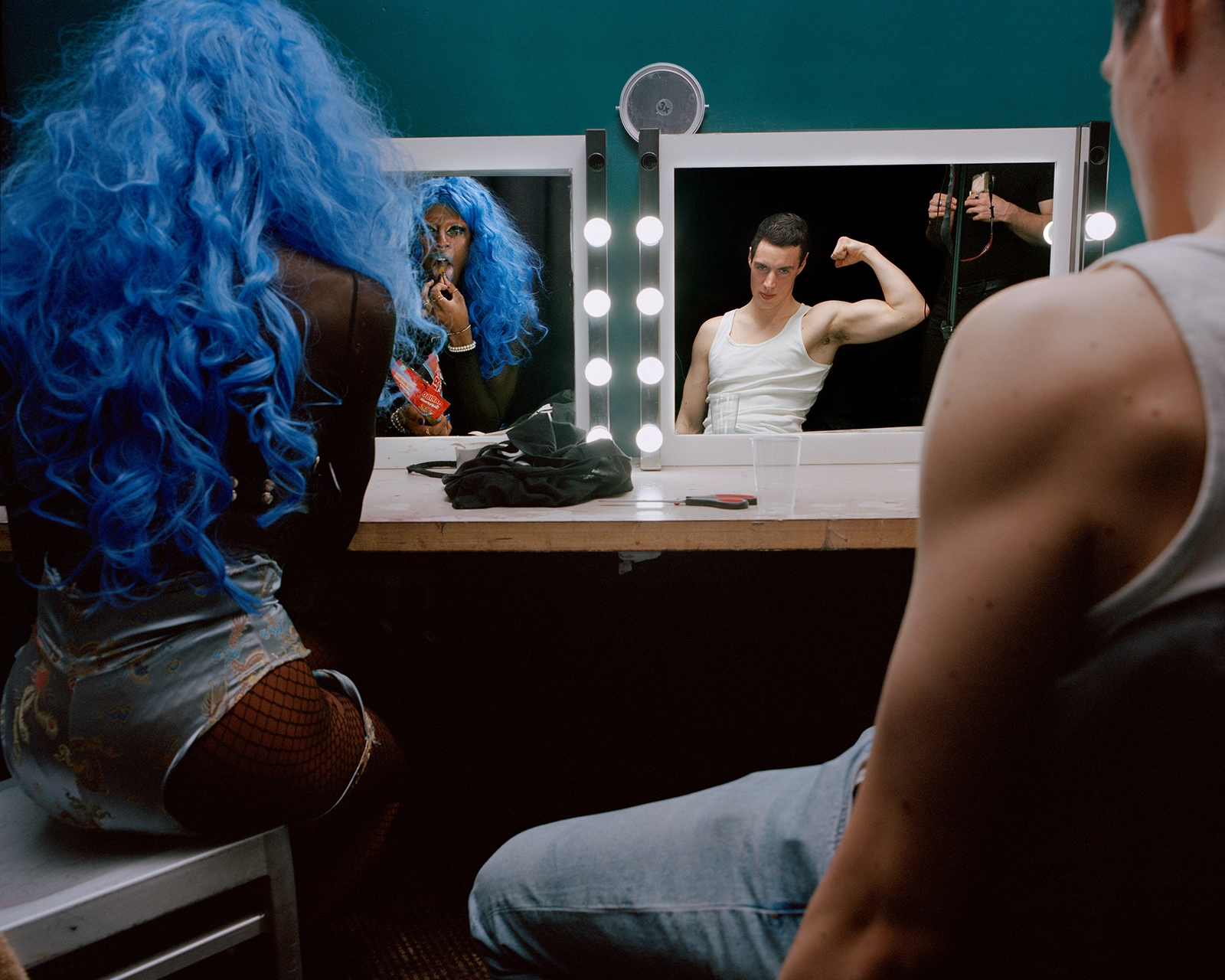
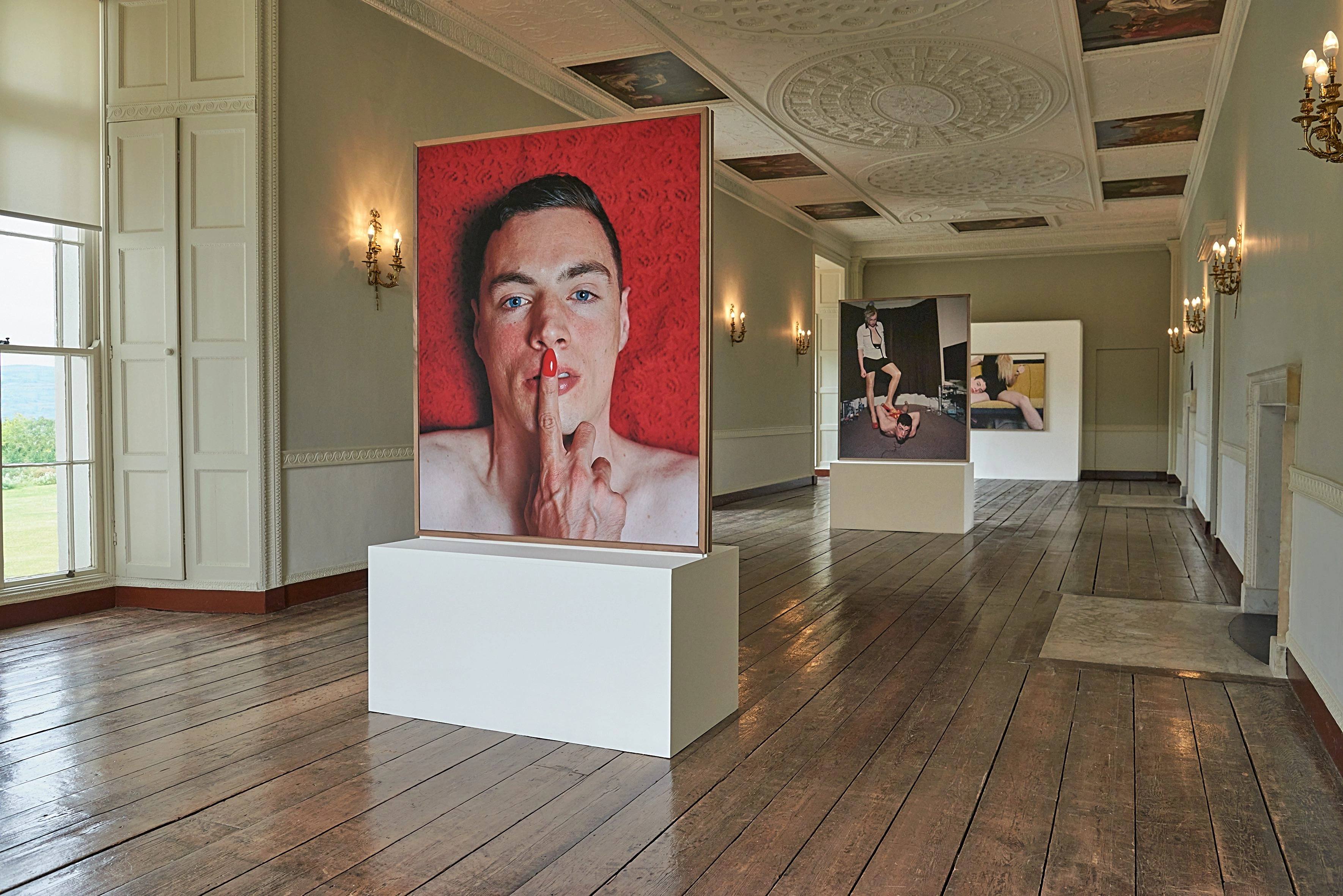
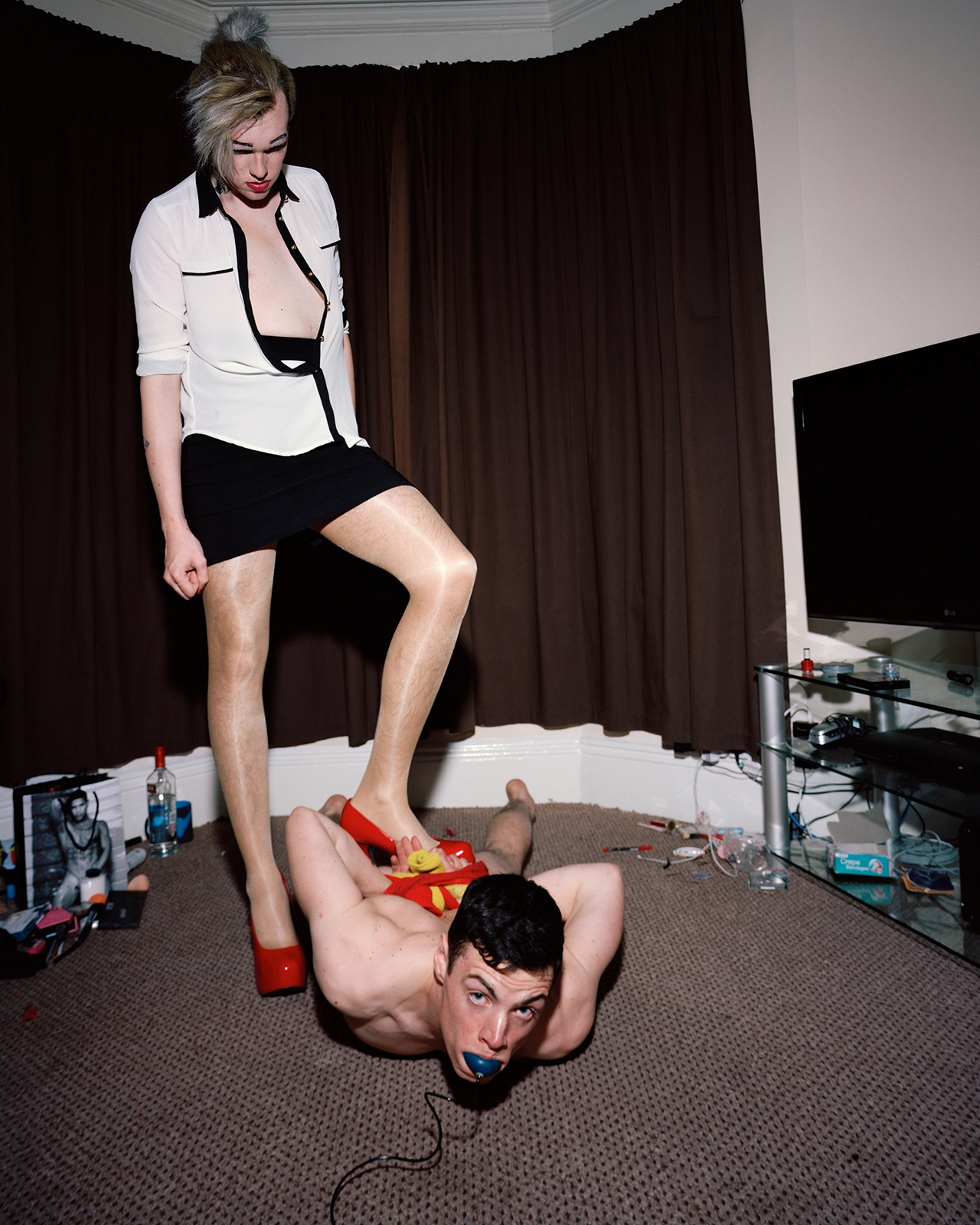
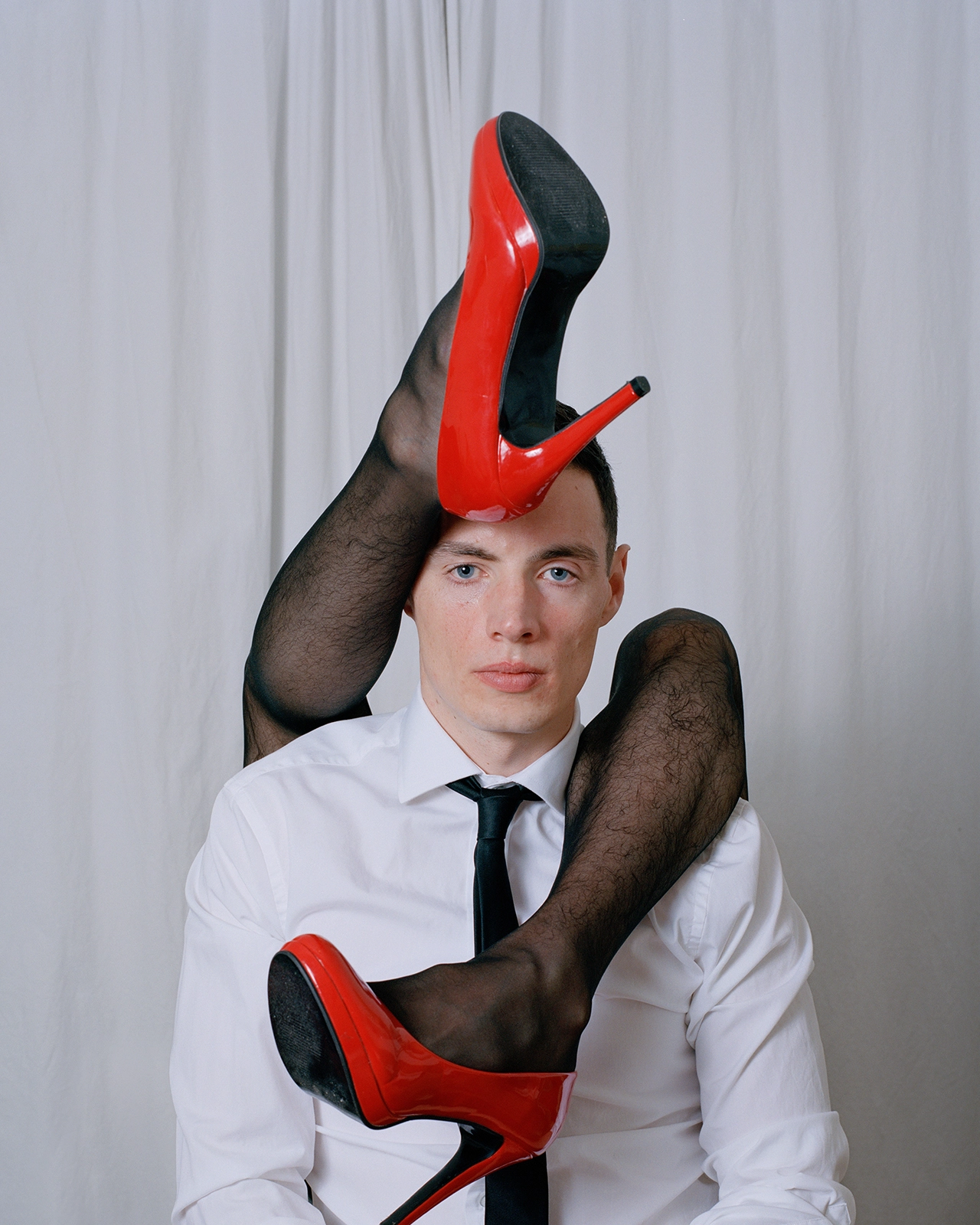
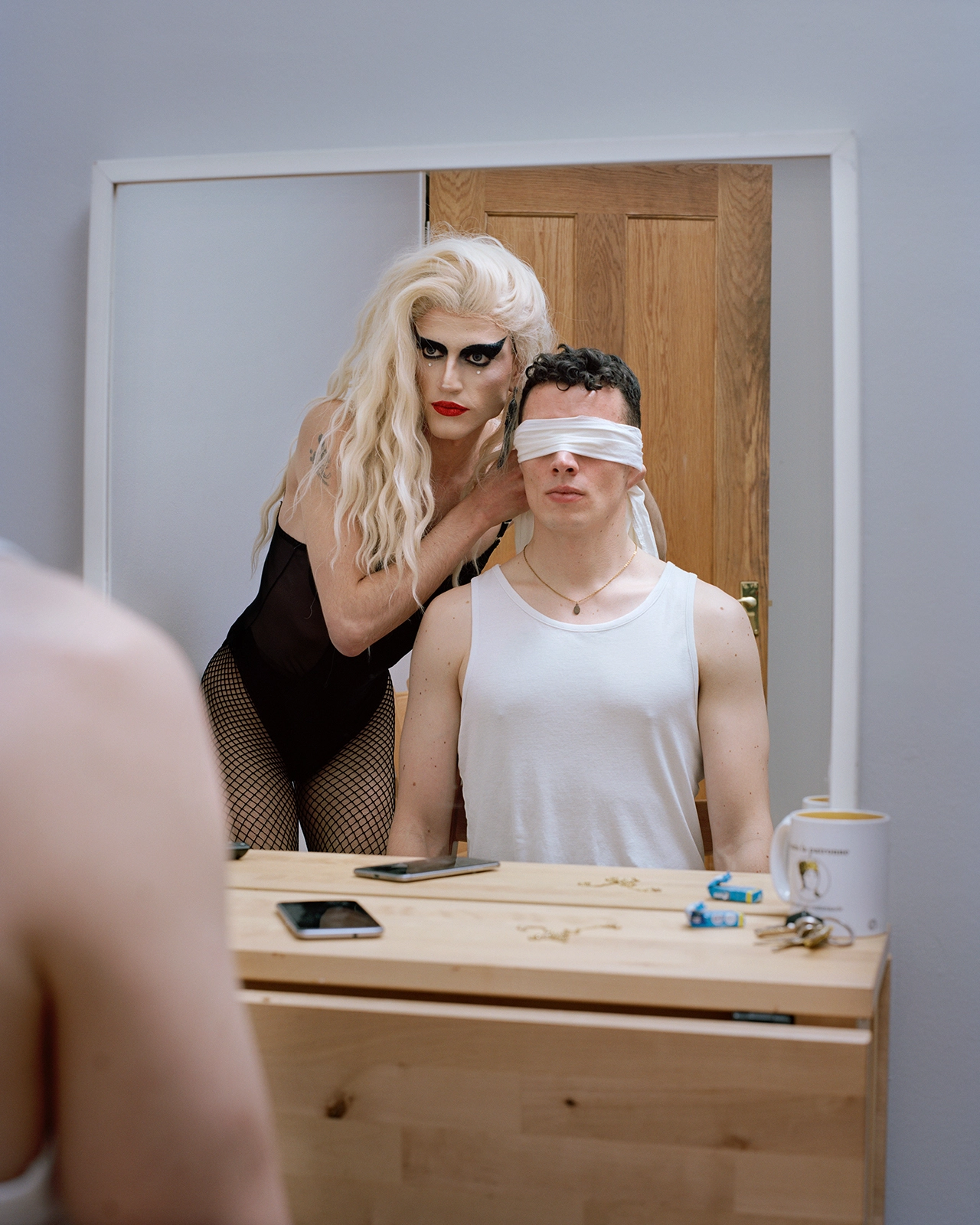
Fluidity is the idea that holds firm in the imagery, and the different roles each person plays. Walking around the castle floor, images float in the space, elevated on plinths. The artist appears in all images, in a sense subverting the historically expected power dynamics within the relationship of photographer and subject: there is a play of who is in control of the image. In DEE, the artist is pushed down onto the floor, remote shutter stuffed in his mouth, a femme person’s red stiletto holding him down firm, heel digging into his back. In VIC the artist is blindfolded, a cloth wrapped around his eyes firmly held by a blonde, artist at their mercy, an idea that continues to carry through.
In DAVINA, the artist appears naked, kneeling in front of a queen staring him down. Piercing stares, mirrors, blindfolds, there is a play on viewing, a theatre to all the works. The artist is subjugated to the controlling gaze of the people in some images; in others,
the stereotypical ‘masculine’ comes to play, with BABY and VICTORIA revealing Daragh’s muscles poised and presenting. The play of feminine/masculine is in question at all times if you wish it to be. This questioning, and the idea of muscular ‘masculine’ pulls my mind to another artist: Cassils, and their CUTS (2011- 13), a performance and photographic series in which the artist transformed their body into a traditionally masculine form through six months of disciplined body sculpting. Cassils ongoing work is an incredible consideration of gender, identity and social hierarchies.
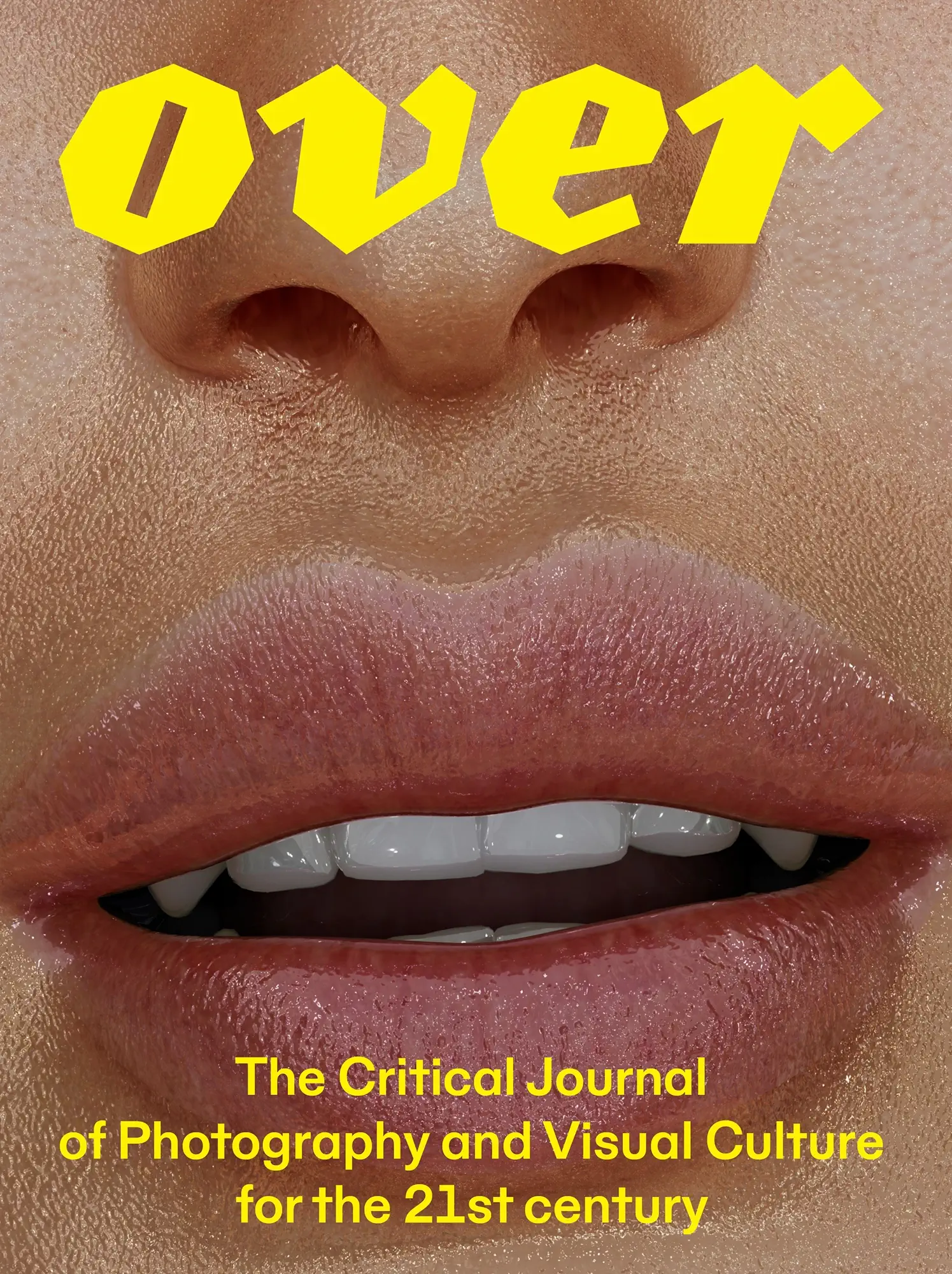
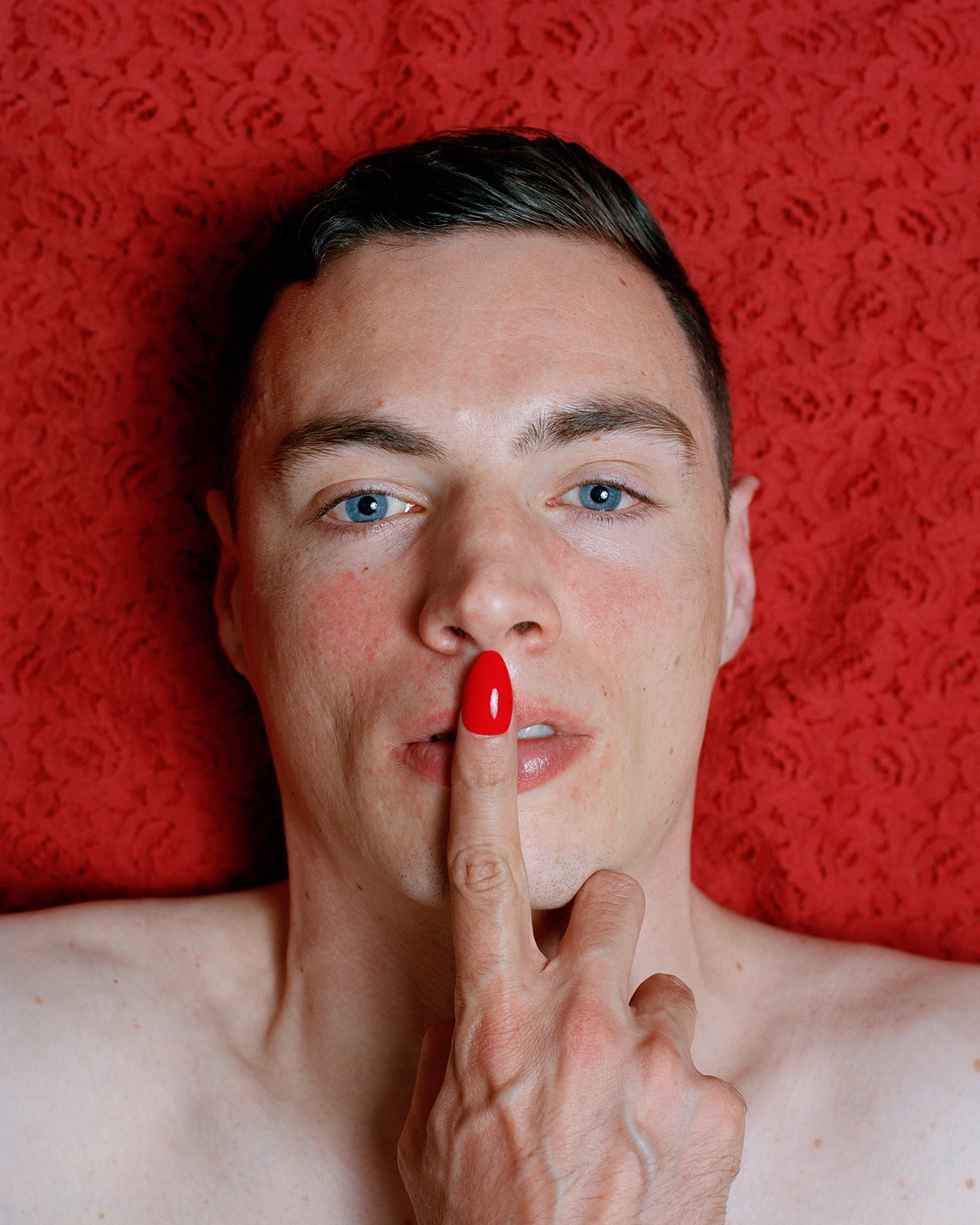
Power is the essence explored here and in Soden’s work. ROSE, featured on the cover of this issue, reveals a close crop of Daragh’s face, his mouth pushed closed by a silencing firm finger with a candy-red painted nail. The works make me think of the power of self-belief and ability to lose control: you can see in every image the vulnerability of the photographer. This is not the simple power game of photographer, subject, image, a power dynamic that has very much needed dismantling. Yet at the same
time, the photographer still holds full control. Again thinking of Cassils, an intervention of theirs in 2001 comes to mind: the Toxic Titties ‘infiltration’ of VB46 (2001), a Vanessa Beecroft performance and photographic series, at Beverly Hills’ Gagosian Gallery. Founded by Cassils, Clover Leary, and Julia Steinmetz, Toxic Titties “focused on creating performative events that undermine familiar notions of gender, sexuality, and class within pop culture, feminism, and art commerce”.2
Seeing an advert to be models for a Vanessa Beecroft performance, the Toxic Titties staged an infiltration of the performance. Cassils and Clover Leary auditioned to become models in the performance and expose its inner workings. Chosen as the top two models for the performance, they documented and subsequently told all after the fact as an intervention and questioning of the intentions and power dynamics of the work. If you are not familiar, Beecroft’s photographic works and performances entail rooms of women posed standing, kneeling when needed, lying down, essentially being painterly objects to be viewed and documented within parameters set by the artist. Toxic Titties aimed to break these parameters. Within VB46 Cassils speaks of attempting to fight against the rules they were provided for the performance, choosing instead to stand strong and bear anger in its entirety in stance and to the audience: an attempt to claim control within the situation. As Cassils states, however, “I realised that I was powerless in this situation. My silent anger was easily subsumed by the artwork”.3 The artist, at the end of the day, is always in control.
This is a work I turn to as it is a strong symbol for the mechanisms of photography and the role of photographer and subject, and the relationship between them. The relationship and understanding of the power dynamic taking place is of such importance, and one that needs to be discussed more. The difference between Daragh and Beecroft’s work is the sense of community and care between photographer and the people depicted. Daragh discusses it simply: these are people in his community he’s been attracted to working with, having met them through friends or out in the queer scene. There’s a relationship that forms, a connection and a consideration of care. The work connects in my mind to a history of queer photographers claiming the lens for their community.
Seeing Daragh’s works makes me reflect on a recent exhibition I curated in Melbourne, Australia for PHOTO 2022 International Festival of Photography titled Queering the Frame: Community, Time, Photography. The exhibition sat alongside exhibitions by Paul Mpagi Sepuya and Martine Gutierrez as a “queer” takeover of the Centre for Contemporary Photography in Melbourne. My intention with Queering the Frame was to pause and give space to think on the ways in which queer communities narrate their own stories, looking at the past to see how we can shape and imagine both the present and future. From a female-only commune of the 1970s and 1980s, to capturing moments of queer Indigenous joy in the 1990s and portraits of contemporary queer bodies, the exhibition reflected on the impact and ongoing importance of queer ancestors and connections across generations. It was an exhibition by community and for community.
Queering the Frame coincided with QUEER, a collection show presented by the National Gallery of Victoria that surveyed the many queer artists and artworks within their collection. I speak on these exhibitions relating to Soden’s as I consider the importance o queer voices, and the moment we find ourselves in, with queer spaces and stories very much in the limelight. I think of the importance of self-narration and images taken now as the archive of tomorrow. This series is blossoming, you can see the rawness of the photographer, but also the love and connection within and for the community.
Soden’s work connects with an international spotlight I see on queerness and queer art at this time. BUTT Magazine has resurfaced, Lil Nas X exists, the powerhouse names are endless. I wish I could say this is a global spotlight, but one of the clear tragedies of our day is the ongoing persecution of LGBTQIA+ communities in countries too many to mention. I think of Robin Hammond, Where Love is Illegal (2018), queer sisters, brothers, siblings, risking their lives to give voice to their communities. I think of the tireless work of activist and artist Sir Zanele Muholi, a formidable voice creating the ongoing archive of black lesbians and queer communities in South Africa.
These artists, these works all come together with the same thought in mind. These are projects made with community, made with a conscious consideration of care between photographers and the people they depict. It is one of the things I love so deeply about the queer community―the ability to be unapologetically powerful, but also vulnerable. Try something, fail, love, live. It is what all humans need.
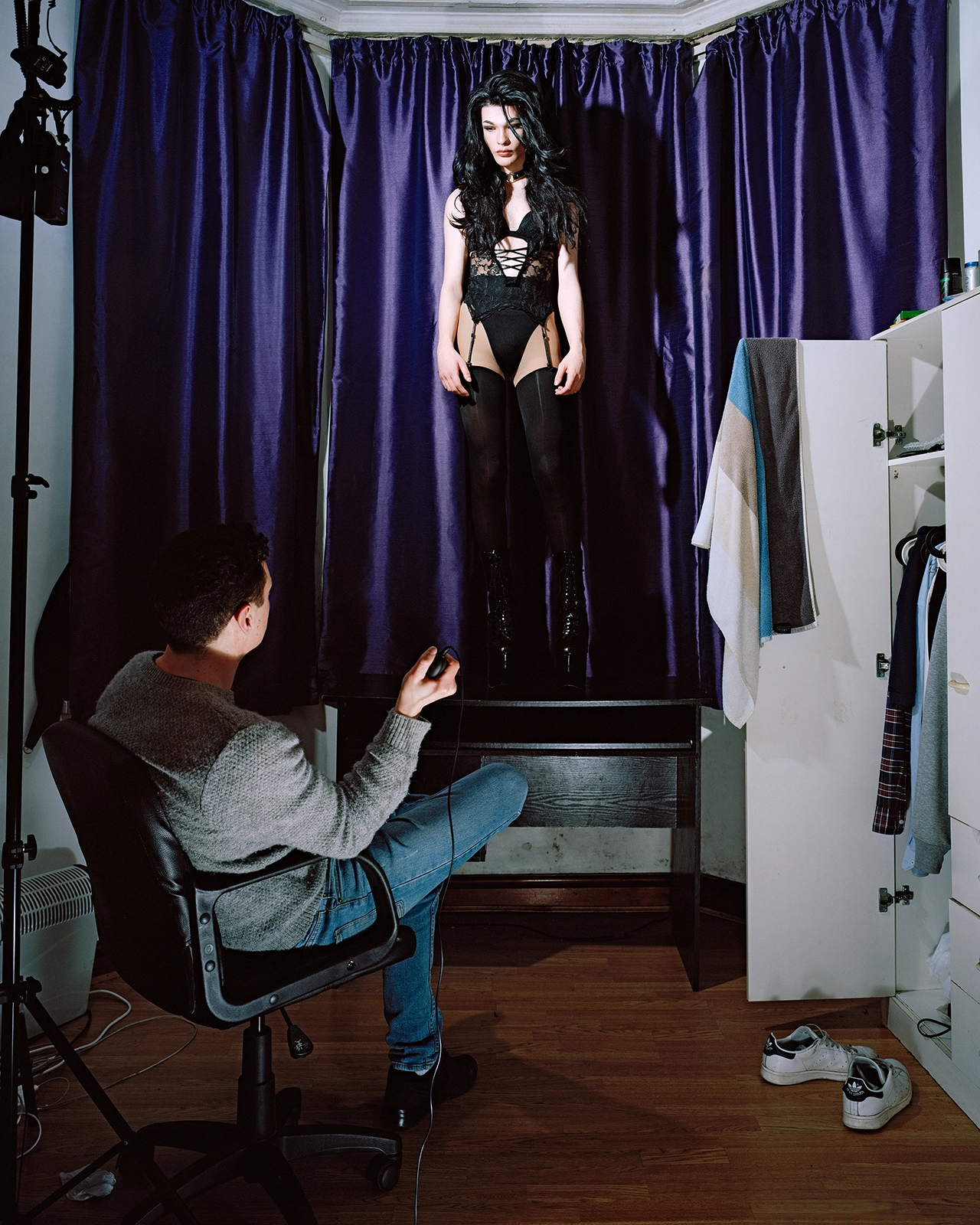
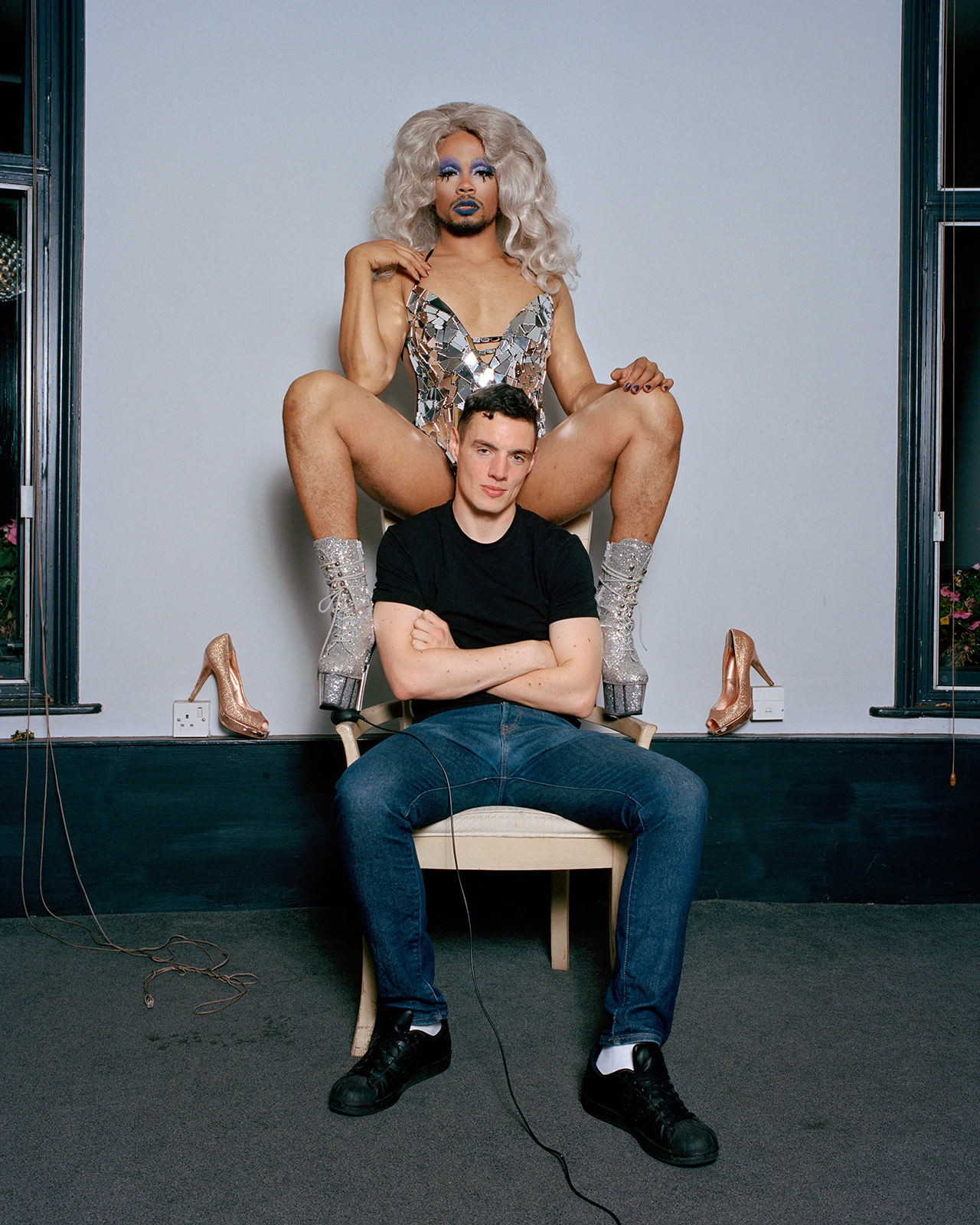
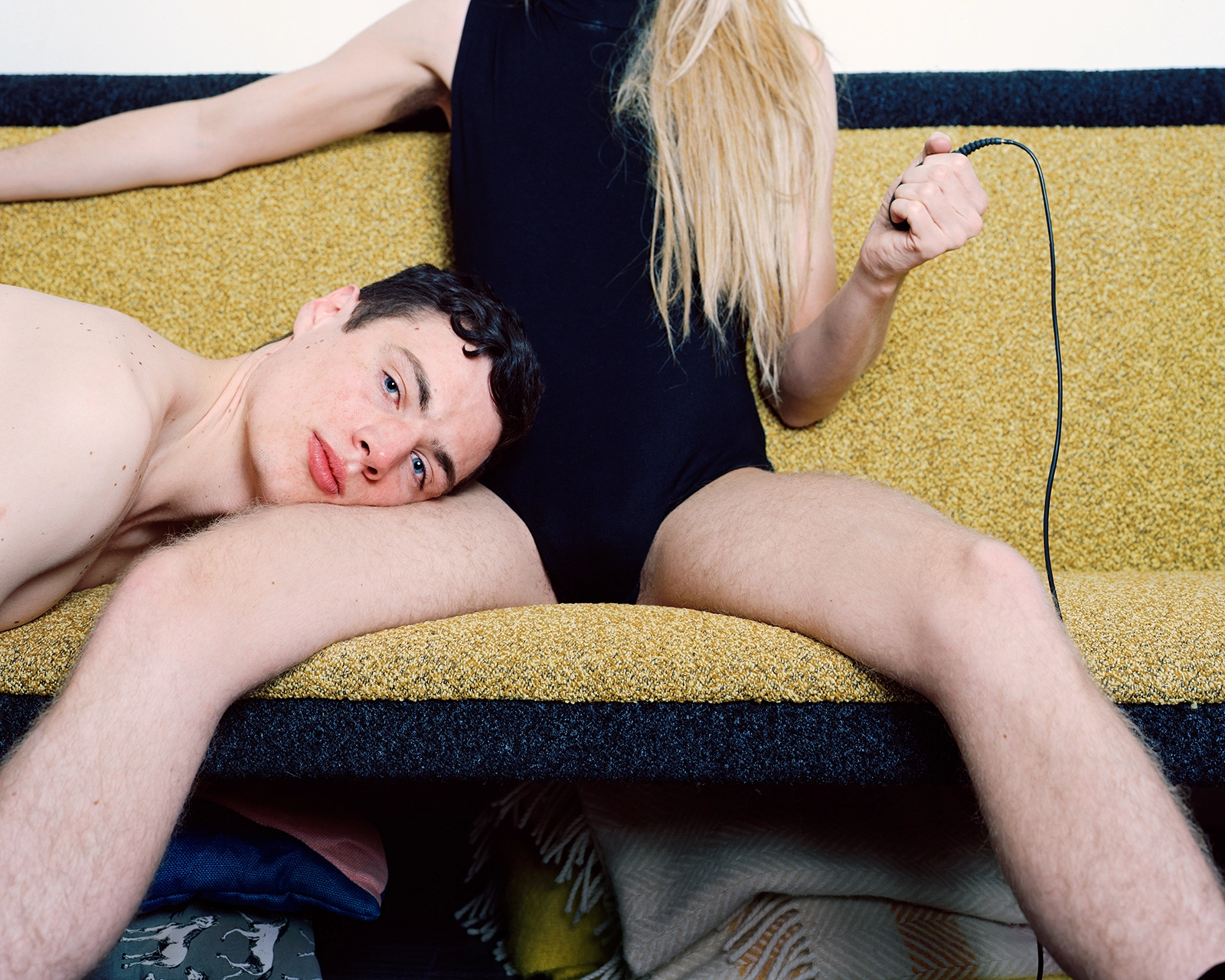
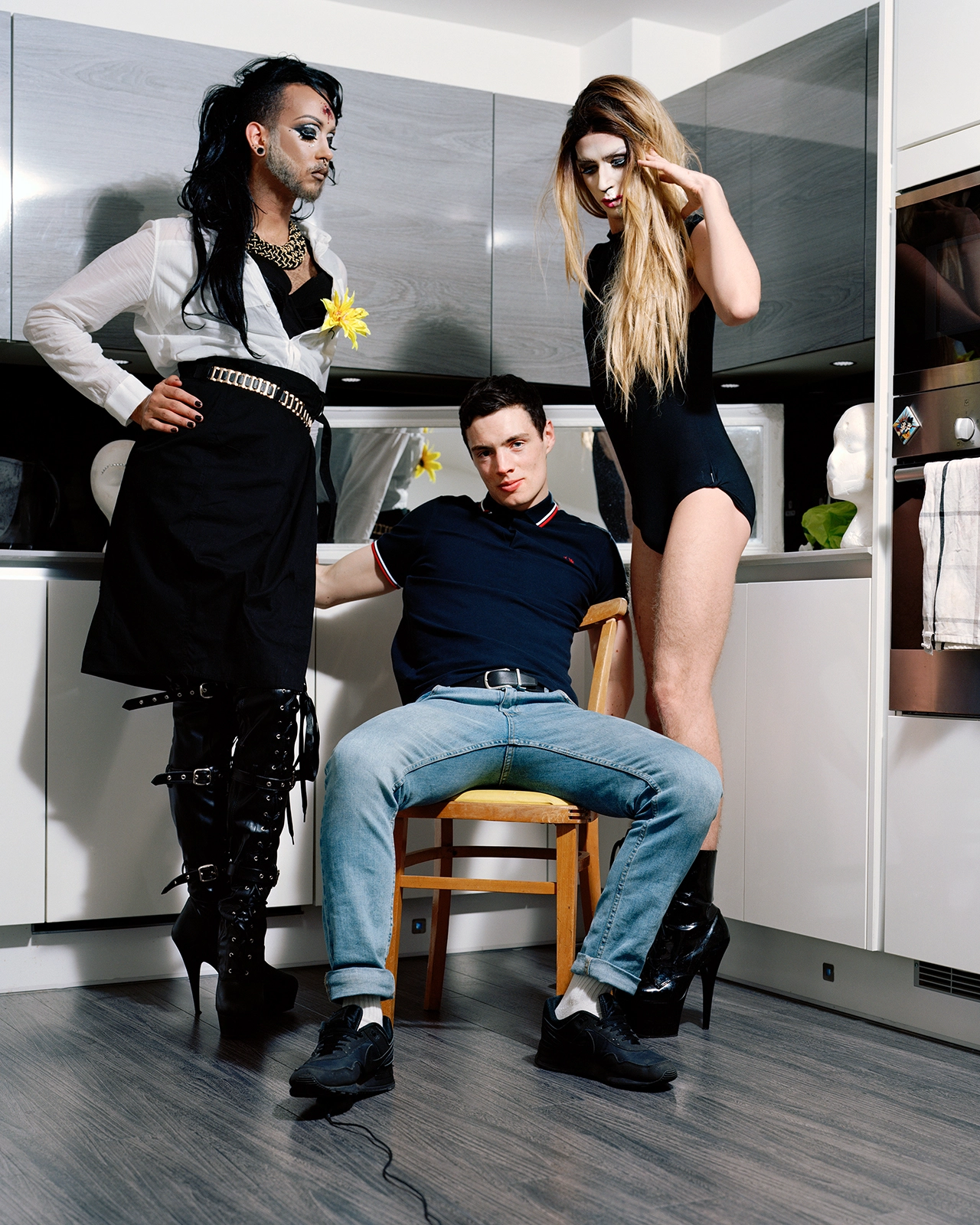
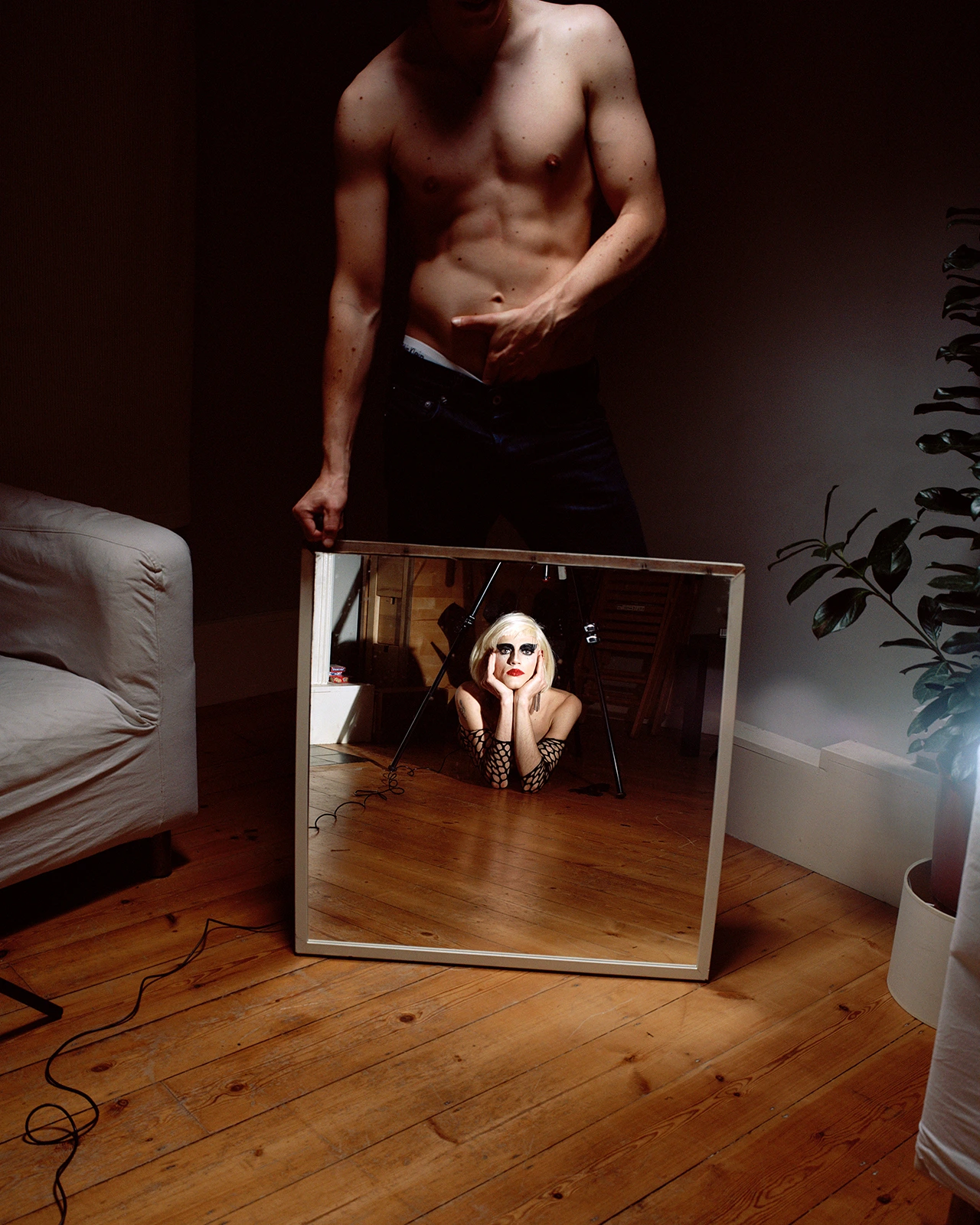
Image above by Daragh Soden.
1 Email correspondence with the artist.
2 Steinmetz, J., Cassils, H., & Leary, C. (2006, March). Behind Enemy Lines: Toxic Titties Infiltrate Vanessa Beecroft. Signs: Journal of Women in Culture and Society, 31(3), 753–783. Link
3 Steinmetz, J., Cassils, H., & Leary, C. (2006, March). Behind Enemy Lines: Toxic Titties Infiltrate Vanessa Beecroft. Signs: Journal of Women in Culture and Society, 31(3), 753–783. Link
Find out more about Brendan McCleary and Daragh Soden's practices at:
brendanmccleary.net
daraghsoden.com