




A New Materiality
The contemporary photobook as a corporeal object, fixed in its nature, unmoving and expensive, should not be the phenomenon that it is. That is at least if we are to believe proclamations of the redundancy of the book, or the supposed death of photography with its image-flood metaphors (Estrin, 2012) and laments for trust in the camera (Foam, 2011). Yet against this backdrop the medium has thrived, reaching into every corner of photographic discourse, quickly becoming a process and form of concretised output that every photographer wants to be part of (Schaden, 2014). Such is the growth of the medium that we have seen a five-fold increase since 1999 in the number of publishers dedicated to photography (Chéroux, 2021:4). Accompanying this proliferation of outputs is a concurrent flurry of activity that seeks to document, situate, and analyse the interactions between photography and the page, from which varying approaches have emerged. For many, an enticing view to take is in connecting the present form to art-historical roots via key works and movements.1 For others, consideration of the photobook as a product of localised forces is pressing, and with it, numerous geographically-oriented canonical works have sprung up.2 Then there are also investigations into the process of publishing and the business of making books,3 but a holistic account cannot be achieved without engaging with materiality. The very thing that has become a central feature of the medium and has defined ‘the specificity of the photobook as a (plat)form amongst other photographic spaces’ (Rose and Tuminas 2020, 195).
Where physical properties and production intricacies of the photobook currently enter into discourse, it is via formalist conversations and a tendency towards the nuances of design relevant to makers' conceptual considerations. While this is valid and supports an ecology of production, a material interrogation has potential far beyond such use. Looking closely at the aesthetic and haptic components that both construct and are the book leads us not only to critically situate the medium in a specific landscape of relationships with touch, texture, and objecthood, but also account for a transition from maker to reader: from the hands of production to the hands of reception. In this text, I will seek to use materiality as a bridge to conversations about reach, reading, and audience by establishing several key traits in design and production before asking how they both extend connections with specific readers, but also act as inhibitor to wider engagement.
Counter-commercial materiality: Natural and authentic.
The post-millennium photobook maker possesses tools and resources that counterparts even as recently as the latter decades of the 20th century would have envied. Diverse manifestations of photographic work in book form have benefited from digital print technology, global payment and distribution systems, and non-traditional funding structures. In parallel, linked social communities and online platforms have facilitated newly deterritorialised and digitised access to view and discuss this common object. 2008 saw the first Fotobook Festival Kassel, with the Fotobok Festival of Oslo following a year later, after which more and more small and medium-sized events launched primarily around mainland Europe. It was at these events, newly formed online platforms like Larissa Leclair’s Indie Photobook Library; Bruno Ceschel’s Self Publish, Be Happy; Daniel Boetker-Smith's Asia Pacific Photobook Archive; and Ángel Luis González's The Library Project, as well as dedicated community spaces in Facebook, that the photobook was being seen in and amongst other photobooks. No longer only a subset of photography or arts publishing, it was becoming its own field of practice and study (Campany, 2014). It is an occurrence that allowed for a fluid transfer of ideas about photography and the book―an opportunity for specific learning around the pragmatics of photobook making.4 As a result, not only were more techniques understood and employed, but common characteristics were able to be more readily established and witnessed.
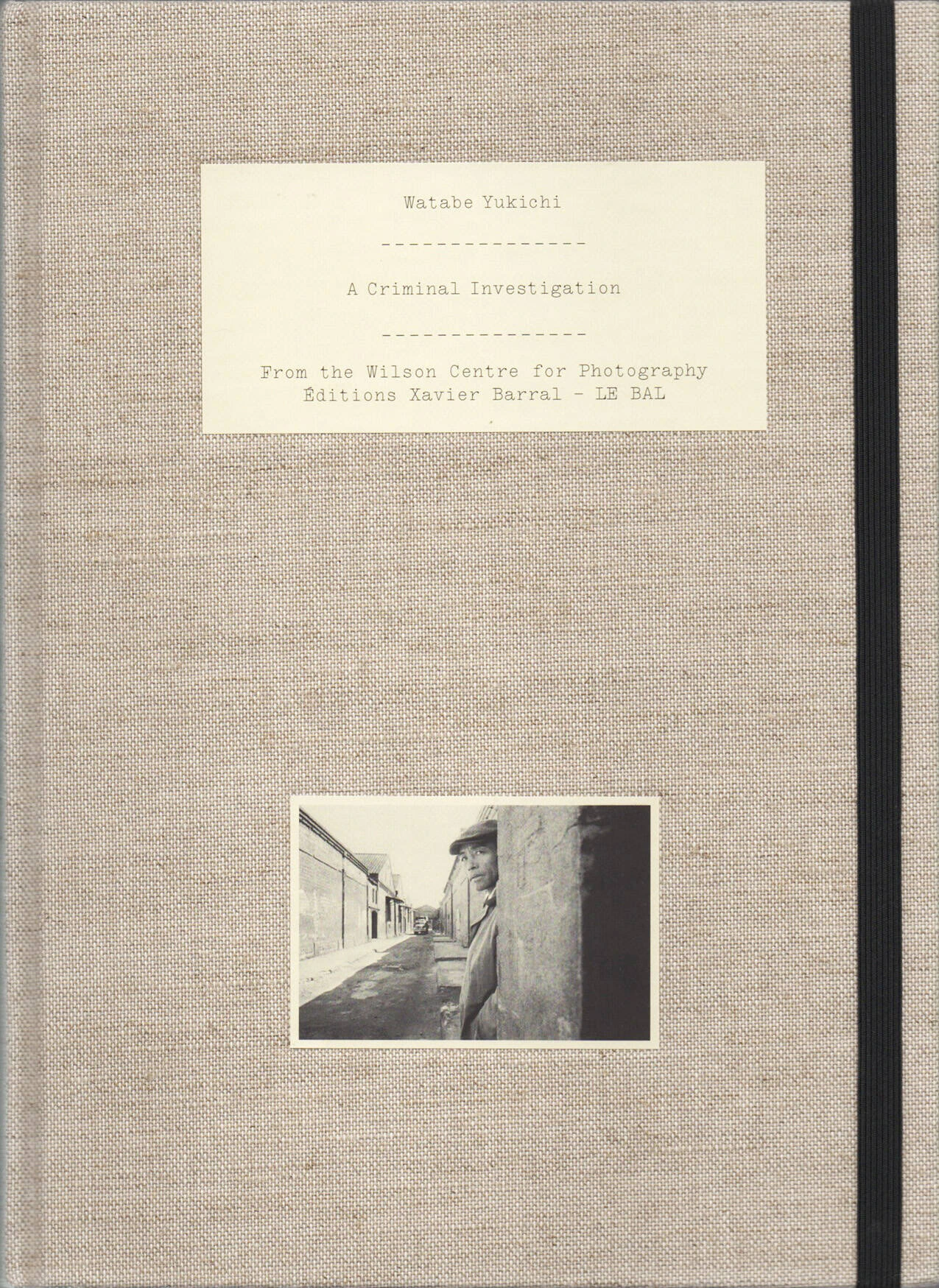
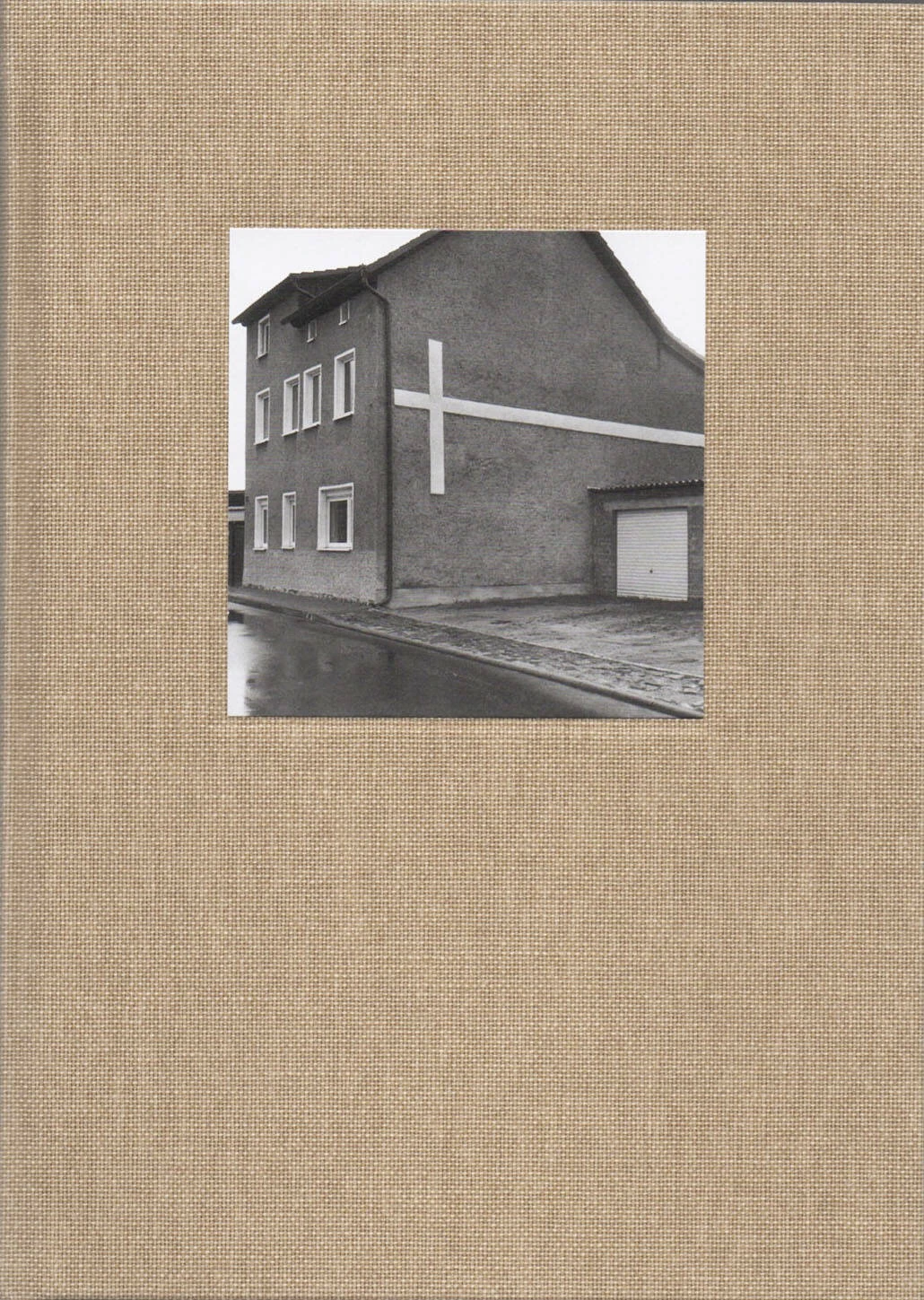
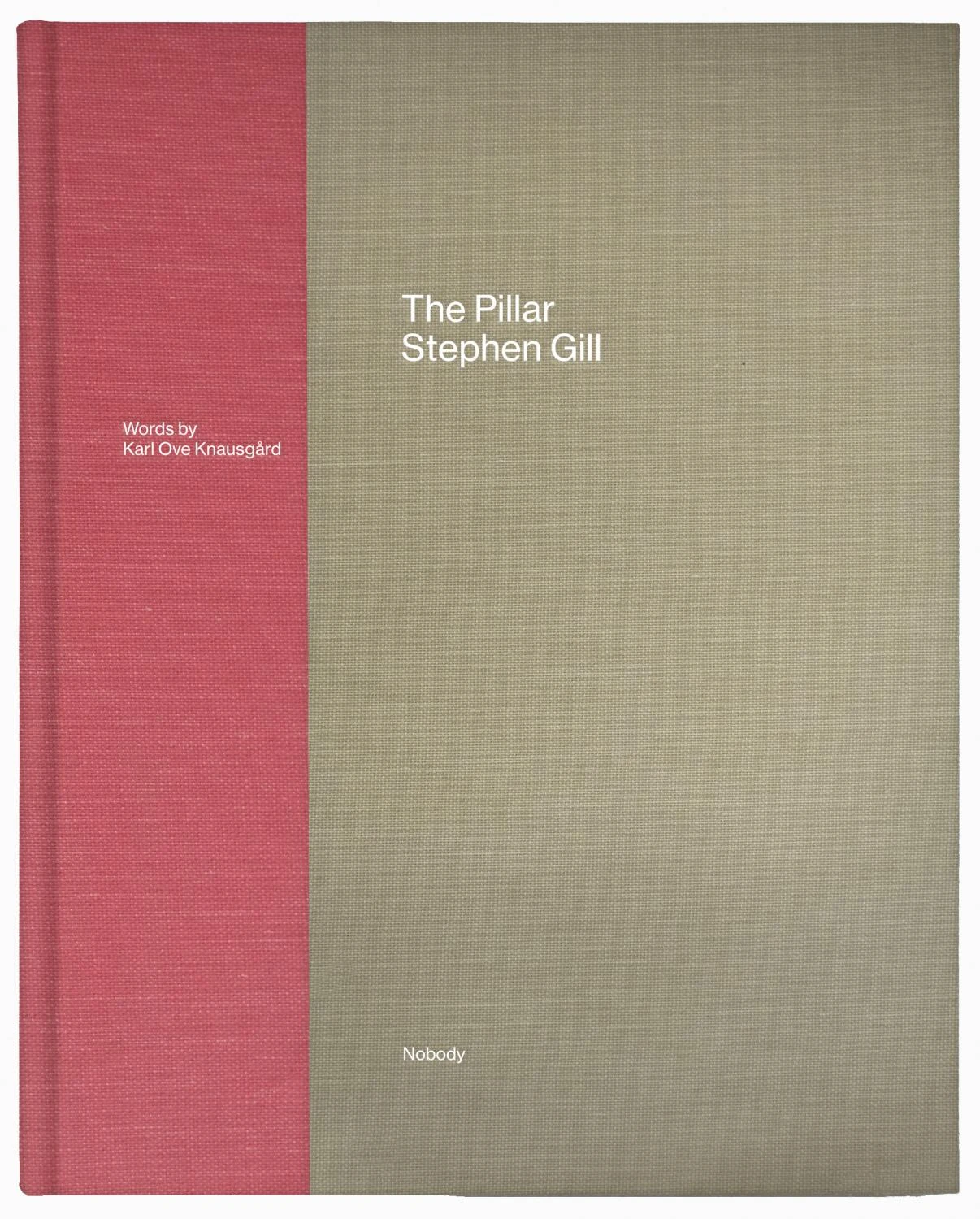
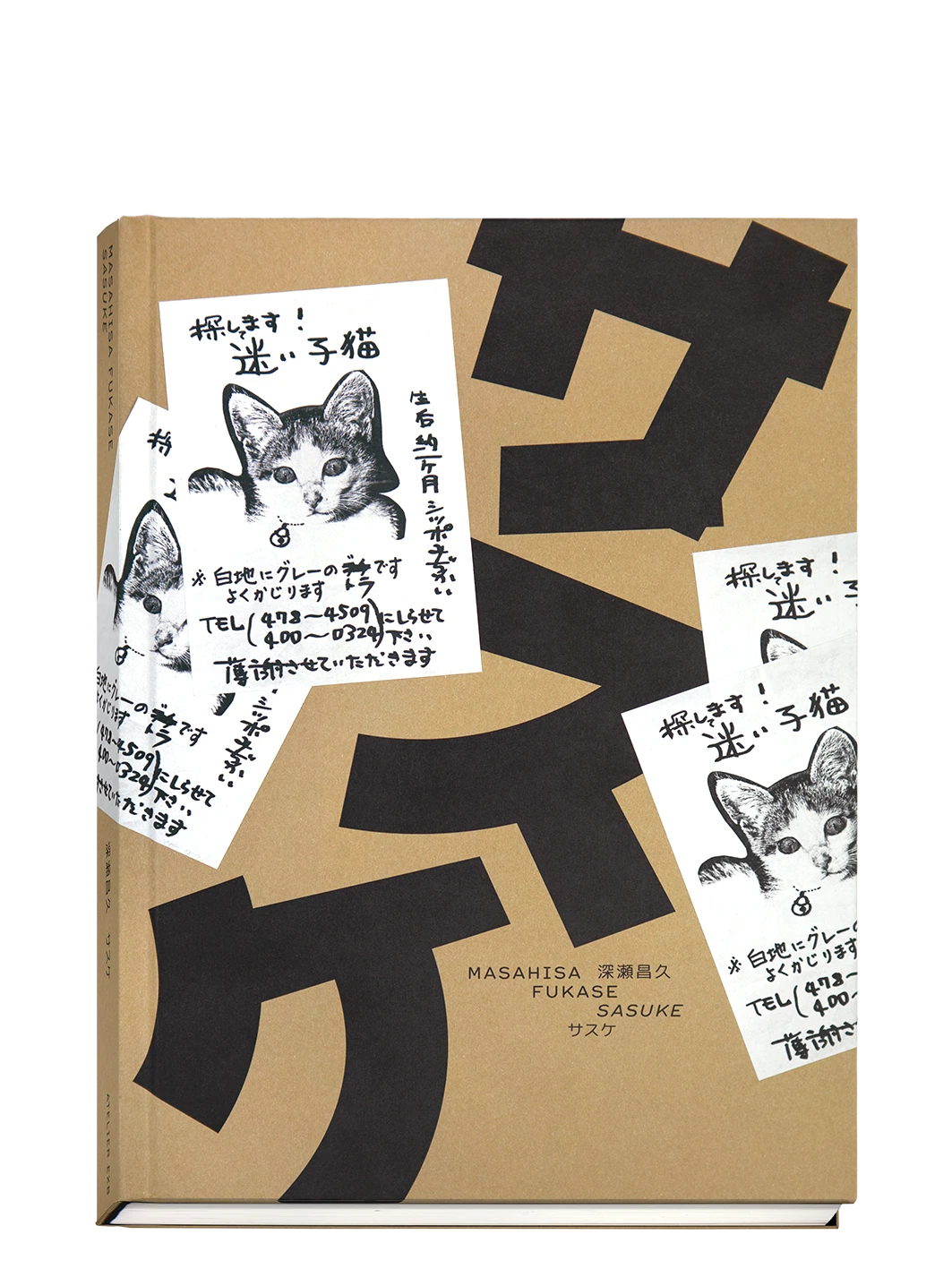
These commonalities could be seen and felt in the tones and textures found across photobook covers. Viewing any large collection of photobooks of the last few decades from afar we can see browns, beiges, creams, greys, whites more readily than bold, bright, and vivid colours. So too these covers, which advertise and introduce the work inside, eschew gloss or surfaces which are smooth to the touch. Instead they frequently adopt materials with a fibrous quality―a characteristic of contemporary design
which signifies the natural and authentic. There are exceptions as always, but it is in seeing recent publications like Alejandro Cartagena’s A Small Guide to Homeownership (2020) and Farah Al Qasimi's Hello Future (2021) that their status as outliers is solidified.5 Inside, the story is similar. It is hard to list many popular photobooks of the previous decade that contain as their primary paper stock anything which is not a variant of matte.
By way of explanation, the words of Jean Baudrillard in his 1968 publication Le Systéme des Objects offer a fitting parallel. In scrutinising the interplay of objects in interior design during the 1960s, Baudrillard proposes the, then recent, shifts in cultural perceptions of value and taste as rationale for newly popularised colour. He explains that in the mid 1960s there was a marked rejection of vibrant hues which ‘loudly announced’ themselves and were perceived as ‘over-aggresive’. In their place was a return to a palette deemed to include more ‘natural colours’ (2005:30-31), though Baudrillard suggested that such choices were somewhat naive in that they ‘aspire to be living colours but in fact are merely signs for them’ (33). While the impetus may be different (a highly plasticised world at the time of Baudrillard’s thesis, and a highly technisised, post digital world at the time of this writing), the principle remains. Dulled tones, suggestive of natural materials, hold value in their signification of something less manipulated, less contrived and ultimately, less apparently market-driven6 than everyday items of consumption as well as providing a distinct alternative to the cold, smooth digital screen. Hannah Watson of Trolley Books makes this connection explicitly: ‘[photographers] want the small and interesting books that aren’t mass market commercial things’ (Smyth et al. 2015:27).7
In tandem with reflections on colour, Baudrillard speaks of material too. He posits that, as all material is authentic to its own origins, it is value judgement (2005:39) that dictates the perceived worth, or indeed authenticity, of a given object. Thus, while a cloth cover may be no more real than laminated cardstock, the former has an ‘inherited nobility’ (2005:39) as natural and authentic, with the latter being synthetic and disingenuous. Though written 50 years prior to the time considered here, the properties of materials that Baudrillard describes are once again atop a hierarchy of cultural value in society,8 aided in no small part by the commodification of cultural exports like hygge, the early noughties ‘in-real life’ phenomenon (Jurgenson, 2012) and post-digital desires for ‘grounding' ourselves in tactile experiences (Openshaw, 2015: 8). Earthenware, steel, copper, and wood can be argued to have been technically surpassed by composites and synthetics, yet they can lay claim to far more cultural value in the home than the likes of plastic, titanium, polycarbonate, and carbon fibre.
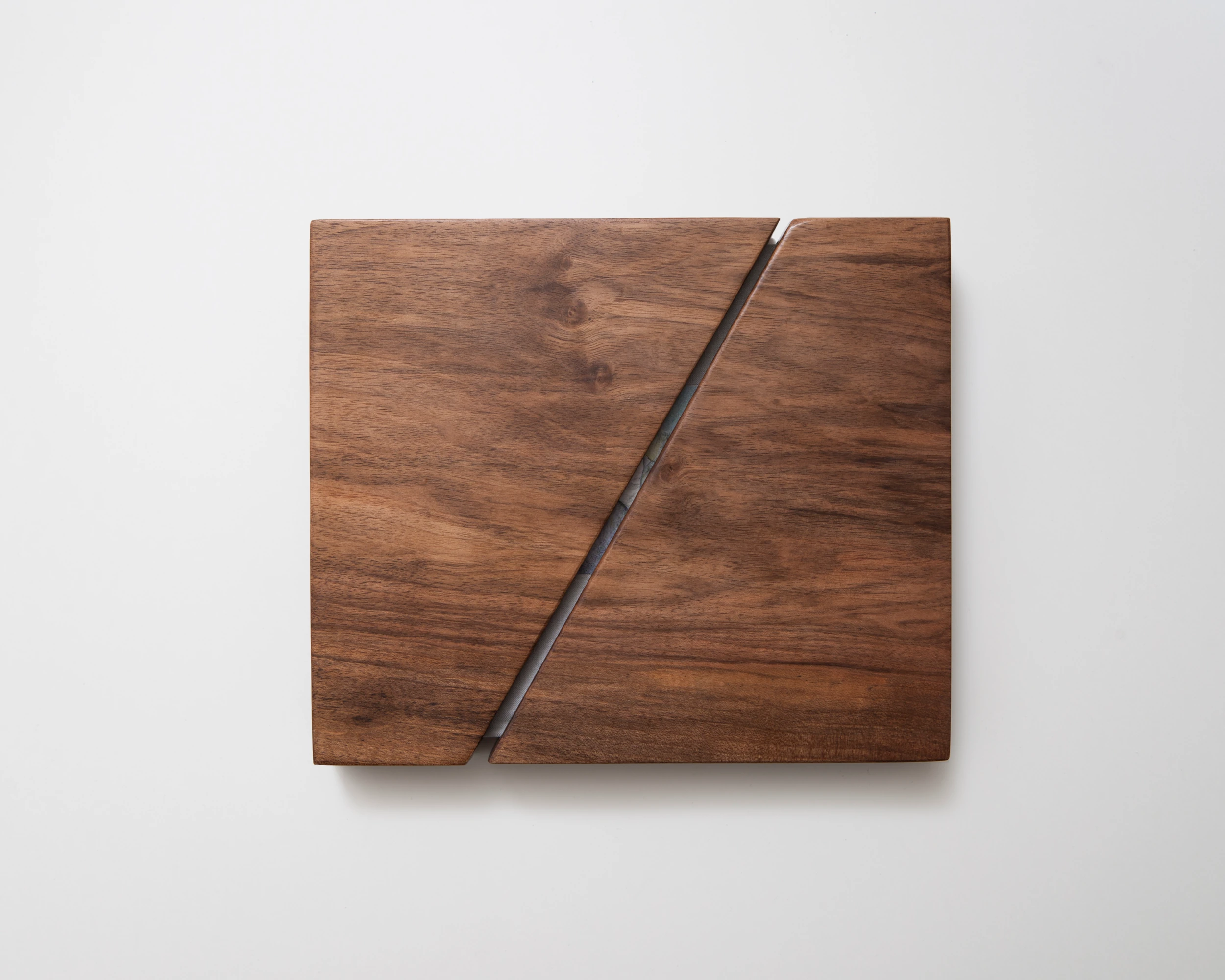
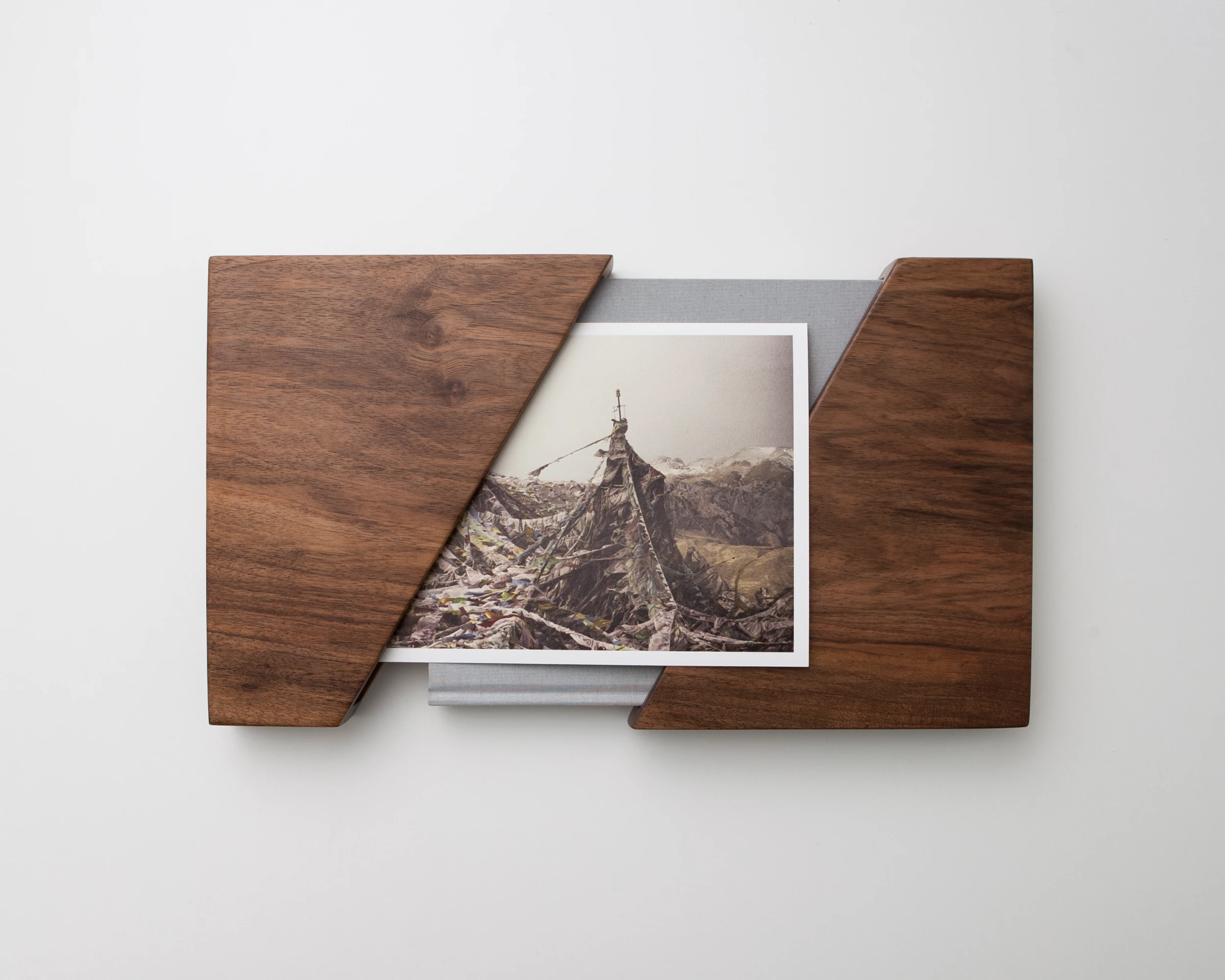
Photobook special editions by their nature provide an explicit indication of what constitutes cultural and fiscal value in that they demand a higher price in return for scarcity, provenance or physical accompaniments reflective of market desires. Material choices for special editions are not uniform, but often relate to perceptions of worth proposed by Baudrillard, and as such play on our contemporary feelings towards historied substances. As example, in 2013 two publications, both exploring walking in the natural environment, chose a wooden case to emphasise the edition’s specialness: Paul Gaffney’s We Make the Path by Walking and Ruben Brulat’s Shared Paths. The home-made wooden box is present too in Raymond Meek’s recent special edition for Ciprian Honey Cathedral (2020), Dimitre Dede’s Mayflies (2020) and in 2011 Jaqueline Hassink’s The Table of Power 2 was offered as an edition with different wood covers (cherry, walnut, beech, ash, and oak). Wood is not the only material for the special edition though: leather, rusty steel9 and even iron10 have been used to suggest value aside from scarcity alone. These material choices sometimes signify a thematic connection with the subject of
the book itself, but at other times material and its provenance or patina may signify authenticity in its direct connection with the subject or maker― as with Brulat whose wooden box was ‘hand made by me at my father’s workshop’ (Brulat, n.d). Here, the value of material is increased in its ability to provide indexical connections that the page alone is incapable of.
The 2014 publication of Barricade: The EuroMaidan Revolt (2014) serves as an interesting study. The book’s authors, Donald Weber and Arthur Bondar, released a special edition of Barricade, a project which takes a multi-faceted look at the clashes in the EuroMaidan revolt of Kyiv. In its standard edition, the work is presented in a simple format with card covers and a printed obi.11 The special edition however also contained an 8x12 print, 'golden bread’ magnet, Ukrainian ribbon, and was presented, ‘packaged inside a genuine sandbag from the barricades of Kiev’ (Bondar and Weber, 2014). What resonates here is not the ‘golden bread magnet’ nor the Ukrainian ribbon, both of which could be seen as locating the event in a particular history and supporting a local economy (albeit on a very small scale) but instead the bitter aftertaste of this list is to be found in the ‘genuine sandbag from the barricades of Kiev’ which Lewis Bush describes as veering towards the ‘fetishising of a crisis’ (2015). An anomaly in its poor taste, the Barricade special edition is nevertheless evidence of the photobook’s relationship with materials which signify authenticity and honesty.12
Making public or making, publicly?
A second observable trait of the contemporary photobook’s materiality is found in the prevalence of works which make apparent their own production, and invite a public to witness process―even offering the reader a role as physical constructor. In the last decade, long tails of thread protruding from the inside of hand stitched books and naked binding seen in works like Rafal Milach’s In the Car with R (2012), CCCP’s Photobook Phenomenon (2017) (see above) and Dylan Hausthor and Paul Guilmoth’s Sleep Creek (2020) that may once have appeared unfinished, now seem reassuringly transparent. As Darius Himes, puts it, ‘you are seeing right to the skeleton of a book’ (Stockdale, 2014). These techniques, amongst other practices which reveal production (elastic band bindings, hand tipped-in images and even the industrial bruising of books with debossed titles) are reminders of a human connection, and a labour which is comprehensible to the reader―a riposte to the hidden computation of new technologies which ‘blackbox’ and obfuscate their workings (Latour, 1999:304).
Alongside increasingly pronounced evidence of production techniques in the contemporary landscape, what solidifies a particular fascination with making, is the turn to process itself as product. While visible in numerous works and photobook events, nowhere is this more apparent than in the phenomenon of the photobook dummy―where work in progress becomes an art object. In the early teens of the new millennium, as the photobook was being situated as the central form of expression in photography (Schaden, 2014) and an escalation of attraction to intricacies of design and production emerged, more was needed to fuel a growing community. For many, the ‘next obvious step’ was in attention turning to ‘the process of making a photobook’ and ultimately, ‘to the dummy’ (Krijnen, 2013). This is how a form of beta-book previously hidden from public consumption became a micro industry in itself, with dozens of dedicated competitions,13 fairs, and publications.14 In fact, such is our interest in this iterative moment in publishing that several prominent examples have been released as large print-run versions.15
Interest in the dummy, manifest traces of production, and the widespread use of unique production flourishes which have become almost a given (Martin, 2017:13) combine to demonstrate what can be attributed to a post- digital adjustment in attention. When Florian Cramer maps out a post-digital shift from the semiotic to the indexical, he speaks of how contemporary zines and Super 8 films ‘focus less on content and more on pure materiality’. We may well position the photobook in the same manner, so that: ‘the medium, such as paper or celluloid, is indeed the message’ (Cramer. 2014). This isn't just an occurrence to be seen from the presentational side of the medium but in its reception and reading too. Photobook readers are invited to be co-authors, constructing meaning not only in their cognitive resolution of the photobook as visual conundrum, but via tactile labour too. Rotating, unfolding, pulling, flipping, and turning are performances with the book that are encouraged by designs which suggest or even necessitate such action from the reader as physical meaning-maker.
Design trends show that photobooks are being constructed to engage readers with their unique physicality, for example by using intentionally diverse paper selection, tipped-in photographs, die cuts, page folds, double bindings, and special packaging (Jones, 2019:3).
In Handling as a Research Method (2018), Tim Daly announces touch as a ‘fundamental aspect of interacting with [artists’] books’, which are designed and destined to be handled at ‘close-quarters’, far from the formality and distance imposed by artwork on walls of galleries and museums. Daly goes on to stress that ignoring the handling of a book would be to miss out on ‘entire swathes of intertextual nuances... the deliberate choices of the artist...’ (2018). While these choices have accompanied the history and development of the artists’ book, it is only more recently that the photobook has adopted them with such vigour. They are employed by makers for the engagement of readers in what Lesley Martin termed the ‘photobook as puzzle’ and the ‘baroque form’ photobook in her taxonomic breakdown of the medium in 2017, but are visible in many other genres or style of the book besides. Examples of this reader-labour and interactivity can be found in many of the last decade's most iconic works at varying intensities. The likes of Christina De Middel’s The Afronauts (2012), Yoshikatsu Fuiji’s Red String (2014), Mariela Sancari’s Moisés (2015), Thomas Sauvin’s Until Death Do Us Part (2015) and Kazuma Obara’s Exposure (2017) typify a new materiality of the photobook which constructs a dynamic page- oriented, if not page-based experience. In works like these, and their less overt counterparts with occasional foldouts and different sizes or textures of page, the role of the reader’s hand is brought closer to that of the eye and the reader is able to 'experience photography as an object’ (Kruse and Gaetti, 2021:15).
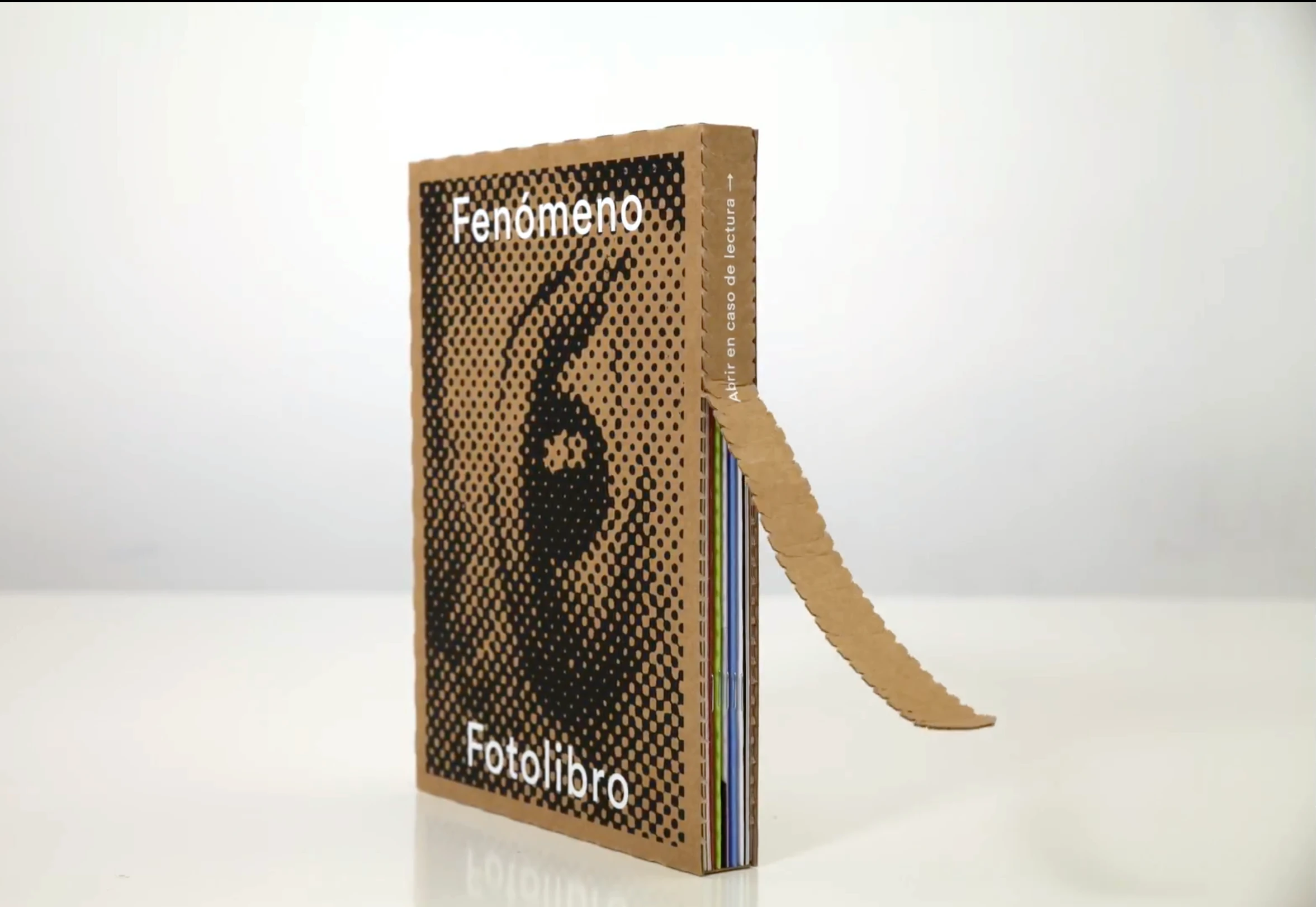
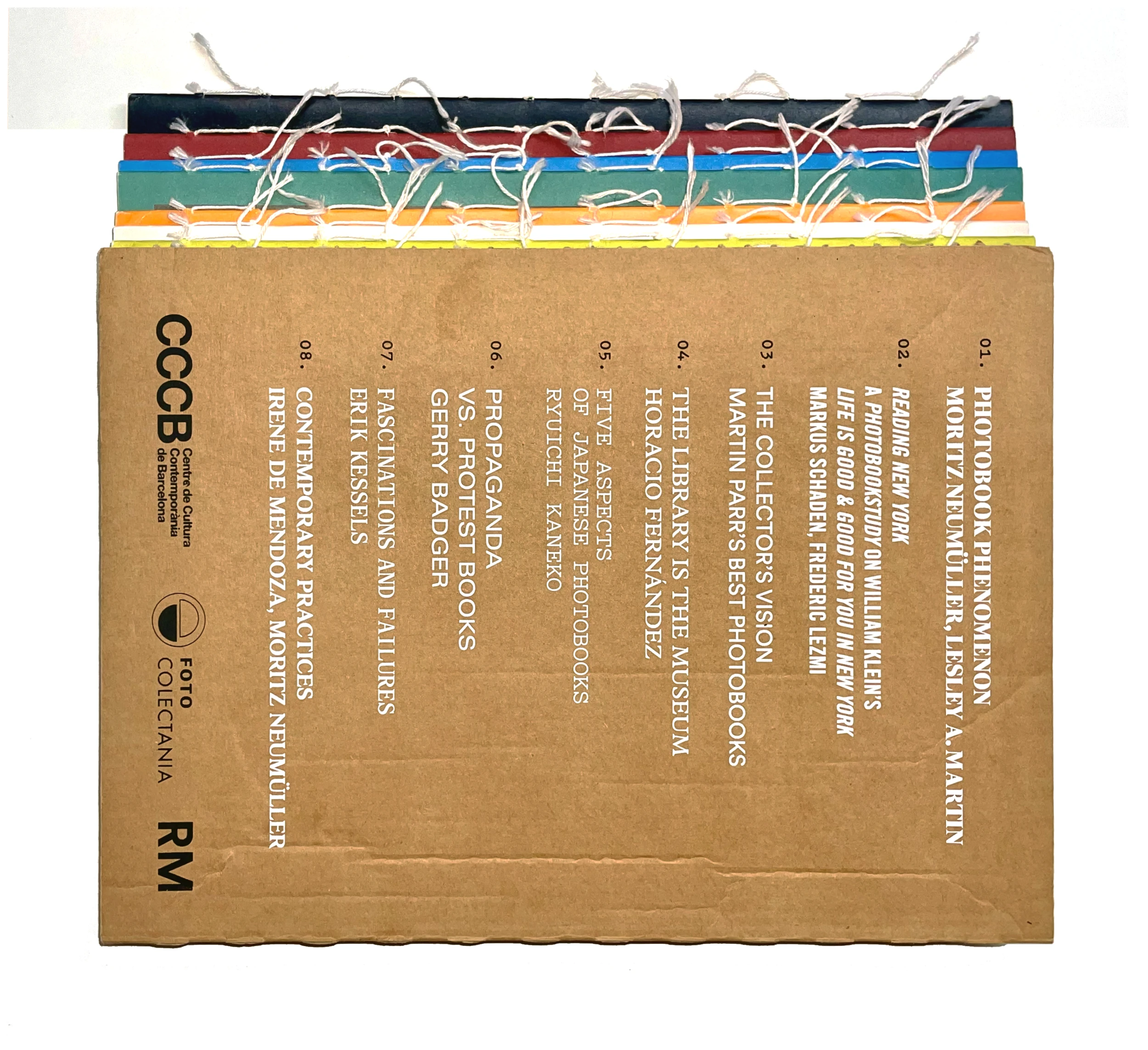
Images kindly supplied by Moritz Neumüller.
With a medium which has relied a great deal on the internet as a space of assembly and idea exchange, it is no surprise that such tactile engagements with the physical book have been translated to presentations of reading which can be rendered on screen. These performances, which occur in online review sites, photobook shops, and social spaces, play a role in emphasising the haptic engagement of reader and book. Hands, which function as both bookstand and page-spreader, accompany many online images of photobooks, with their purpose extended in flick-throughs and page- turning presentations like Jörg Colberg’s video walk-throughs, MACK book’s Look Inside series, and the now defunct Have a Nice Book project. These videos demonstrate what curator Joshua Simon sees as being part of a new relationship with materiality whereby such content shows a need for engagement ‘with actual material stuff’ and that displays of material interaction ultimately communicate ‘effects, processes and feelings’ as entertainment (2012:12).
Taken together, the newly public dummy, apparent construction details, implied counter- commercial design choices and the accentuated interactivity of the medium, provide a picture of a contemporary moment for the photobook that has been built on, and consistently highlighted, its own relationship with materiality. Perhaps this is no surprise given that the result of publishing is an object occupying ‘one of the most valuable resources in our consumption-oriented age’― physical space (Ludovico, 2012:29), but it demands a review of impact on the potential for engagement beyond an established set of committed readers.
An inevitability of insularity
The temptation now for book makers is to take an increasingly baroque approach to the photobook that is less about finding new audiences and more about speaking to those in the know—a kind of regionalism in its own right (Lesley Martin in Lensculture, 2017).
As Lesley Martin reminds us, publications (in whatever form they take) necessarily have an impact on what can be donewith them in the world―something that is likely obvious but seldom spoken of and rarely addressed in critique and review of contemporary works. It is a relation highlighted in Michael Bhaskar's theory of publishing (2014) during what he terms acts of ‘amplification’. This pivotal stage is ‘a definite, traceable process’ which results in 'the increased consumption or awareness of a given work’ (2013:115). Simply put, ‘leaving a manuscript on a bench is not amplifying it in the way photocopying it and posting it to all your neighbours is amplifying it’ (2013:114). Key to the significance of Bhaskar’s notion of amplification to the conversation at hand, is how the possibilities of this stage in publishing are governed to a great extent by the form of the work itself―or what Bhaskar calls a ‘frame’. In the example of the manuscript, this frame, unique and time-consuming to produce, can only be amplified one reader at a time, whereas the photocopy allows for the possibility of extensions to a broader and geographically diverse set of readers.
By the nature of the traits we have witnessed in the contemporary photobook, acts of amplification are considerably restricted by design and material choices which are seen as authentic, desirable, and legitimate to makers but are expensive to construct. In fact, when average photobook prices are consistently north of €35,16 there are few options available other than to amplify the work inside a group of like-minded individuals who are appreciative of similar values to that of the maker (namely, other makers). Photobook reviews, competitions, fairs, and medium-specific blogs become a necessary system for amplification acts to reside within. The form of the contemporary photobook and its resulting cost mean that it can only border on being a financially sustainable practice if it operates in an established and expectant environment―the photobook ecology.
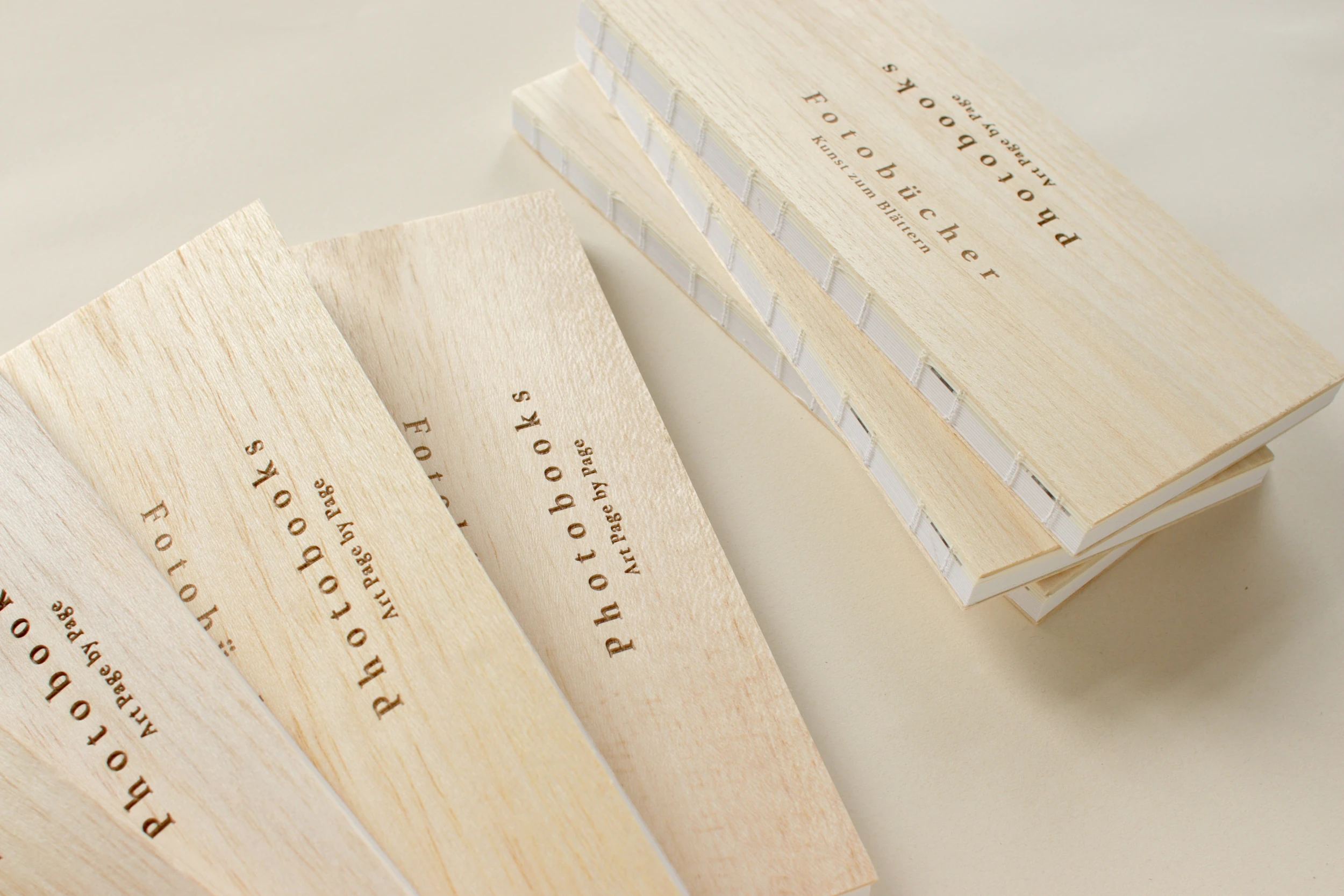
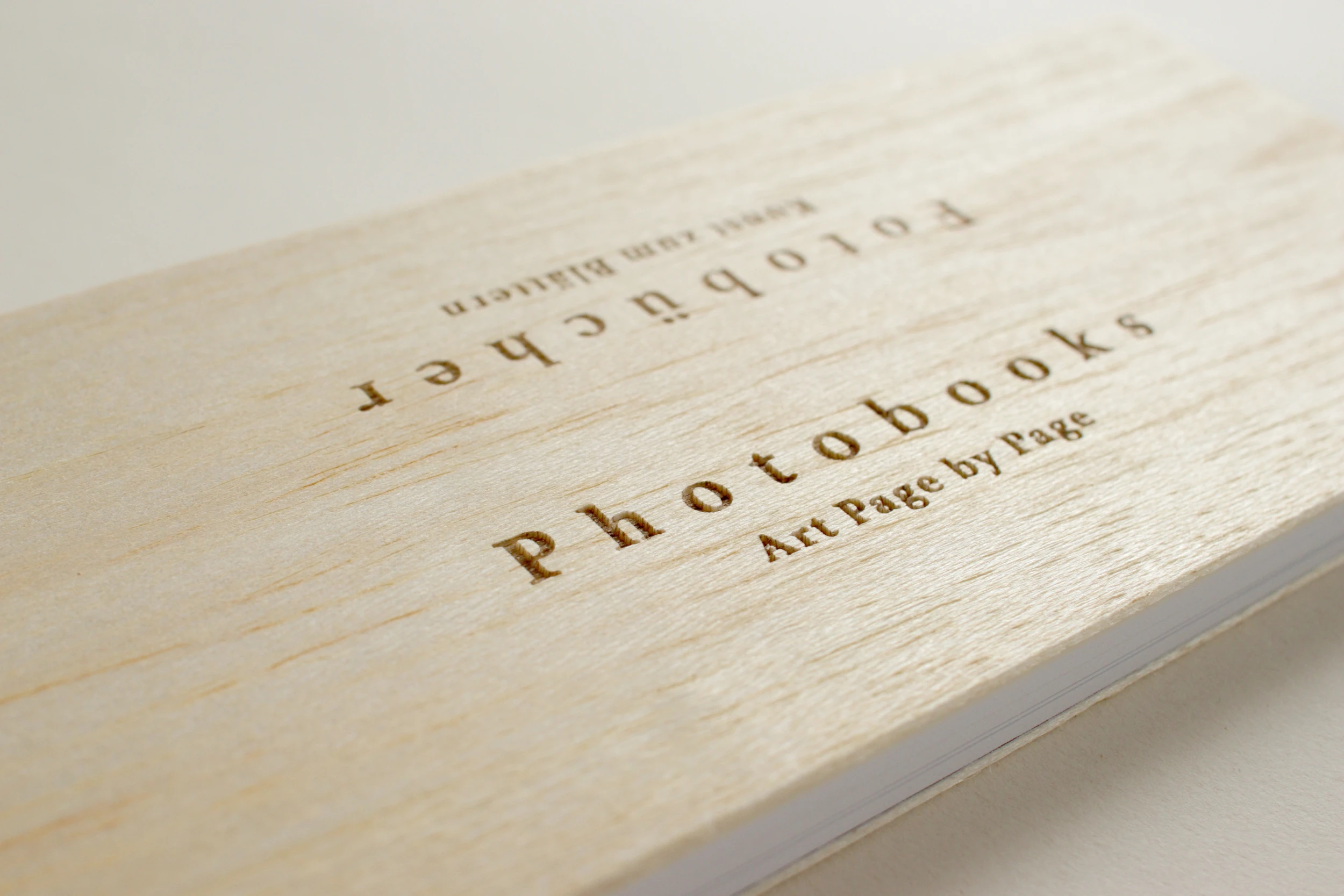
Speaking about materiality specifically within Bhaskar’s theory of publishing is important, because it connects production choices with readers via experience (the book, the frame) and reach (amplification). This is contra to many accounts of the materiality of the photobook or indeed artists’ book, which frequently consider their subject as separated from impact beyond the singular (and often production-oriented) reader. Such a way of looking at the photobook is valid and necessary, but isn’t able to support the medium as one which has the ‘potential for wide social dissemination’ in its bringing together of two technologies (photography and the book), that ‘almost everyone can master and access’ (Bicher, 2020:152). Amplification shows how the contemporary materiality of the photobook extends the reading experience for a particular community, whilst restricting possibilities for the reach of a work. In other words, the contemporary photobook has solidified and strengthened an audience that is fascinated with the medium, and for whom it is an existing interest, whilst narrowing its ‘participative potential’ (Gilberger, 2020:28). While there are makers, and more often initiatives, who are seeking to address this gap,17 such actions are required to work with existing publication forms18 and thus, constrained amplification acts.
There is nothing inherently troubling about a niche audience with a passion for a given medium, but it is hard not to imagine how for some works in particular, the accentuated materiality of the contemporary photobook may be an avoidable obstacle. One need only look at a prize-wining photobook to see the sway that materiality has over our discourse. Daniel Mayrit’s You Haven’t Seen their Faces (2015) is a series of 100 portraits through CCTV of the most powerful people in the city of London. In an interview with The Guardian, Mayritt makes clear an intention to mobilise and initiate a ‘sort of physical reaction’ by including a map that identifies the subjects and their workplaces. ‘We wanted for the book to allow readers to take action if they wanted, for them to really use it’ (Bausells, 2016). Even the cover of the book instructs you to ‘use these images at your own discretion’ and the screw binding allows for the images to be taken out relatively easily.19 As far as it is possible to see though, no such action has occurred and the very interventions the frame seems to encourage are made less likely given it is a limited edition of 350 copies and costs €38. The implied aesthetics of utility prohibiting utility itself. Reviews and commentary avoid this aspect of the work to instead focus on the intention of action (removed from outcome), and materiality. Colin Pantall, in reviewing You Haven’t Seen Their Faces, exhibits an interest with the material properties of the book typical of esoteric discourse:
‘The book is printed on wrapping paper which has a horizontal grain so there is a lining that is reminiscent of analogue TV... ultimately, it is not about the pictures, it is about the paper and the printing and the texture of the printed page. Everything looks rougher and feels rougher in book form. It looks like crap on the computer screen, but it looks great in the printed version. That's not because of the image quality. It is practically collapsing into the page... in the printed version, it is far rougher than you can see on the screen. And that's the way it should be’ (Pantall, 2015).
Mayrit’s work is a potent response to the privacy of the 1%, and it has generated much discussion in the photobook community, but its materiality, exclusivity and the discourse of review and reflection which accompanies it is in stark contrast to the potential for the work to act in the world as suggested. Perhaps it is time that an interrogation of intent and its relation to the production is undertaken, for the risk in avoiding this difficult question is that photobooks operate in an exciting and secure but confined sphere. Answers20 could lie in further experimentation with digital offerings to accompany publications― either as alternate versions re-imagined for the screen or simple PDFs available when books are out of print or hard to access. They may instead lie in a resumption of engagement with print- on-demand approaches that captured attention of photographers in the mid-to-late noughties, an adjustment to our perception of the need for high quality image reproductions or a new emphasis on non-purchase reading availability in schools and libraries. It may simply be in a quiet redressing of the individual choices of photobook makers as they seek connections with audiences and challenge themselves to reach beyond safe harbour to new readers less enamoured by production nuances.
Readers for whom average prices north of €35 are not commensurate with the rising cost-of-living crisis and a hierarchy of purchase needs and desires. There is a well-founded belief in the photobook as a powerful vehicle of communication, so while there shall always be space for the esoteric and avant-garde, the materiality with which the medium is enmeshed must look to new potentialities if its future is to extend beyond its protected boundaries.
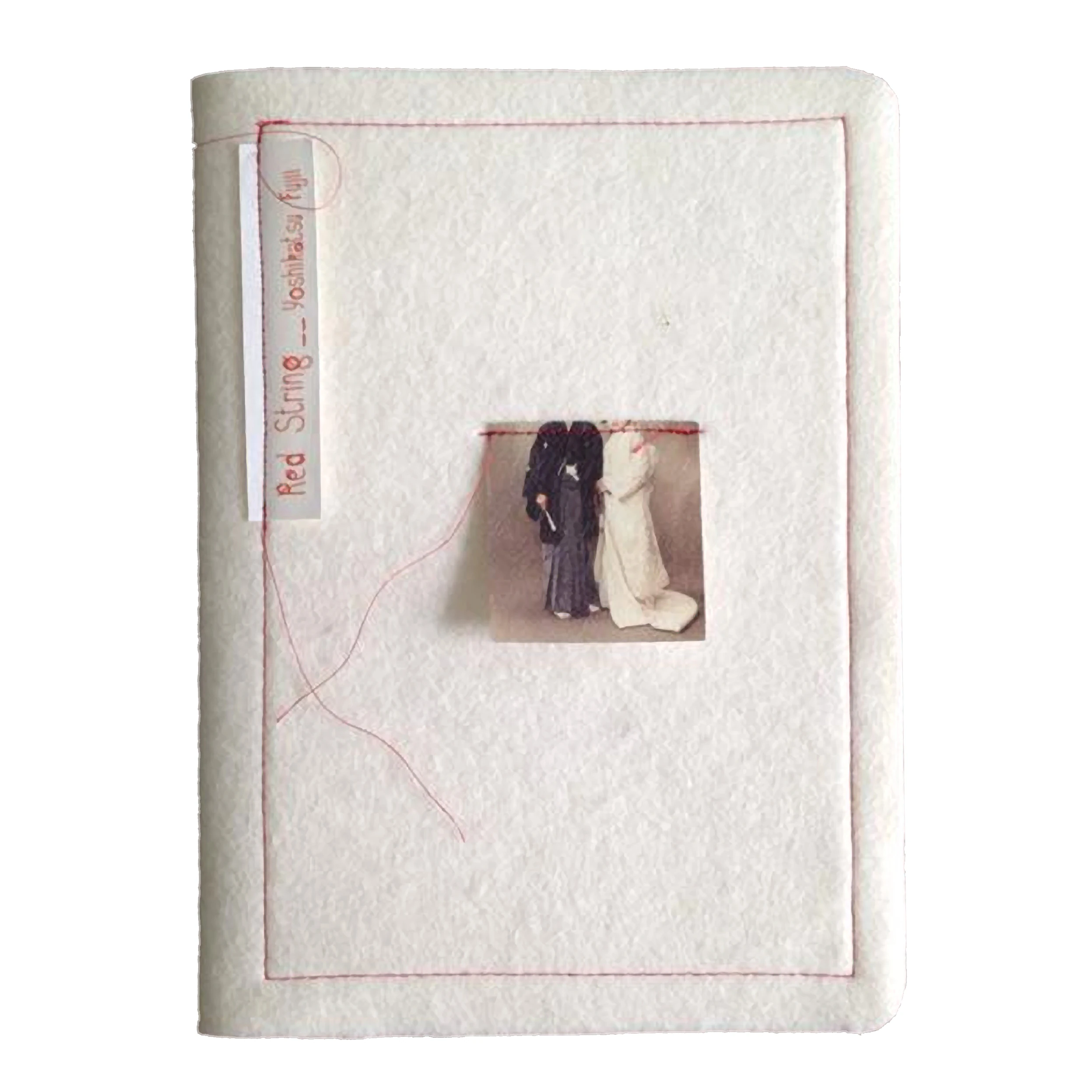
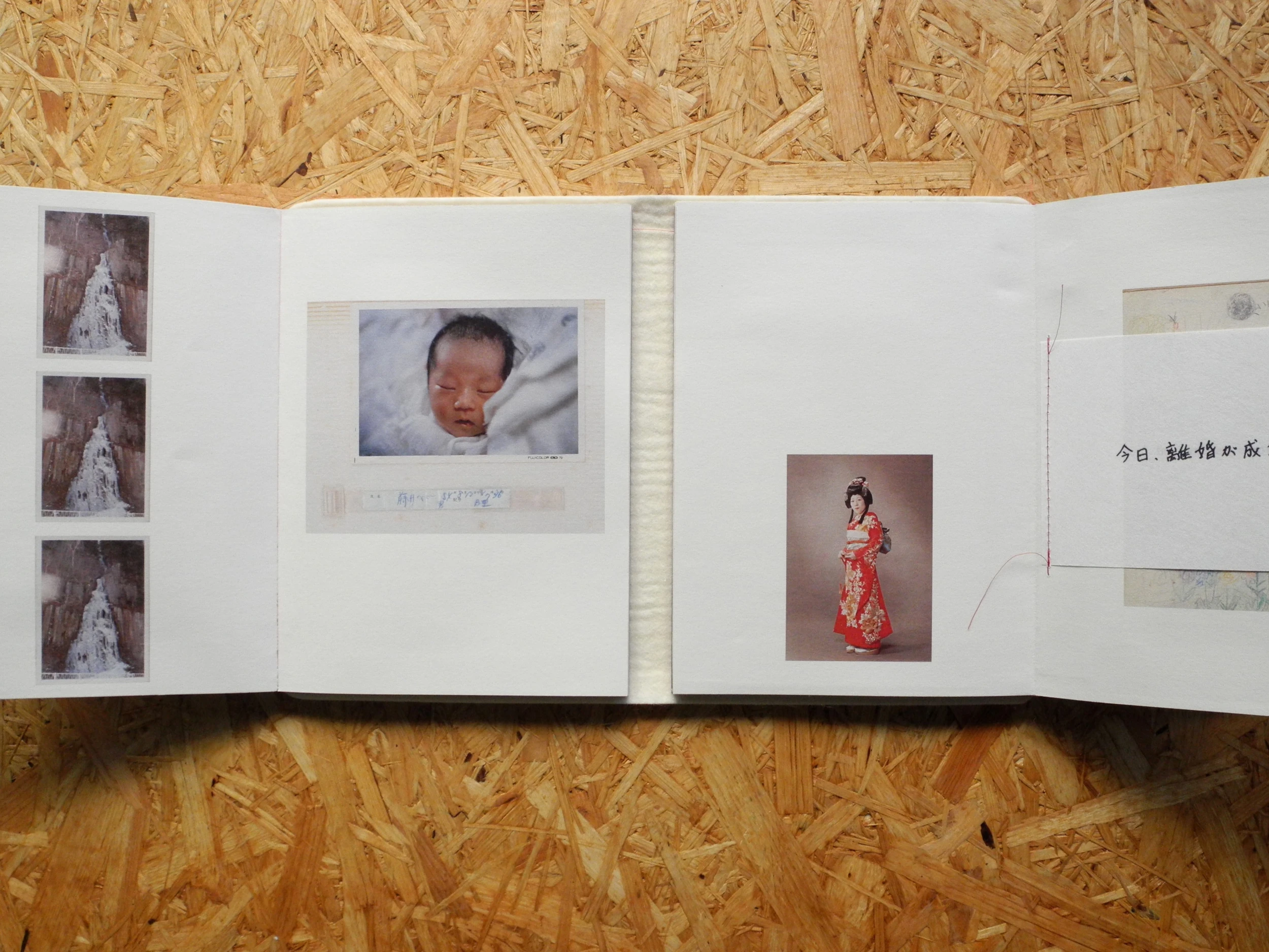
Image Above: Selection of shortlisted titles from the 2021 Paris Photo–Aperture PhotoBook Award. These awards may well offer one of the most concrete examples of the traits I speak of in this article, with shortlisted books from the awards in 2021 exhibiting a great many traits established here, and being photographed upon a cutting mat―a nod to the labour of book production and the honesty of its realisation. Images courtesy © Paris Photo- Aperture PhotoBook Awards.
1 Photography and the Artists’ Book (Wilkie et al., 2012), The Photobook: From Talbot to Ruscha and Beyond (Bello et al., 2012) or How We See: Photobooks by Women (Lederman et al., 2019).
2 Examples include Japanese Photobooks of the 60s and 70s (Vartanian, 2009) or CLAP! 10x10
3 Publish Your Photography Book (Himes and Swanson, 2014), Self Publish, Be Happy: a DIY photobook manual and manifesto (Ceschel, 2015), Understanding Photobooks (Colberg, 2017), and The Indie Photobook Publishing Guide (de Freine, 2017).
4 In a recent interview, Larissa Leclair spoke of the role the Indie Photobook Library served for many emerging self-publishers: ‘I know in those early days a lot of people used the IPL to find out where to get things printed, or getting binding, the nuts and bolts and learning from people who had done it before’ (Leclair, 2020).
5 There are hints visible today that these tendencies towards neutrality and haptic authenticity have been around long enough to being eliciting a counter reaction themselves. A look at publisher RVB’s catalogue in chronological order presents a view of this at a glance.
6 Even the spaces in which we see books can tell us something about the projection of the photobook and materiality. The medium is found rarely within pristine decor and on polished tables. Instead it is found frequently against OSB shelves, pine bookcases, brick walls, pallets and industrial shipping containers. These choices may be entirely pragmatic but retain an impact on the perception of photobooks and their makers. In this way, the narrative of the photobook is constructed and associated with a labour which is artistic-industrial in nature―contra to the visuals of the places in which most works are actually produced that are hard to differentiate from production spaces of other commodities.
7 We could add to this concern a desire for many photographers to seek outcomes and aesthetics which challenge the transient and hyber-abundant algorithmic image―something I have written about in Photobooks & (2021).
8 Referring to the post-enlightenment period, Richard Sennet also accentuates a difference in the employment of materials that ‘contrast between naturalness and artificiality’. He goes on to talk of the colour of brick as ‘honest’ for the way that its tones and the way the material weathered could be compared to painted skin tones and the ‘face of man’ (Sennett, 2009:136-7).
9 Goran Bertok’s Requiem (2015).
10 David de Beyter’s special edition of Paranoid published by RVB books (2020).
11 This edition was part of Schilt publishing’s interesting Grey Matters series which adopted a uniform production approach which meant works remained relatively cheap to purchase.
12 It can be said that photojournalism has experienced more profound shifts than other areas of photography, and is impacted to a greater extend than other photographic fields by erosions of trust in the image that Fred Ritchin speaks of (FOAM, 2011). As such it is particularly interesting to see how photobooks in this area may benefit from, and export, the implied authority of the ‘authoritative codex’ with its ‘bound wisdom’ (Brigitte Frasse in Wirth, 1995:143-4).
13 By 2015, 10 dummy-specific photobook competitions were taking place in mainland Europe, up from 1 In 2010.
14 In 2012 there was a special edition of the FOAM photography magazine in which several dummy books were chosen to be included with the issue― paradoxically resulting in some of the highest edition numbers and most read books of the year.
15 Dayanita Singh’s Zakir Hussain Maquette (2019) and Kikuji Kuwada’s Chizu (Maquette edition) (2021) are examples of ‘dummies as books’ that are ‘complete with pencil marks, tape, or photo corners, and other telltale signs of an artist at work’ (Botman, 2012).
16 We could also consider here demands for high quality image reproduction which Michael Mack cites as one reason why so many contemporary works end up 'being very expensive’ and that in these cases, the ‘fascination is then not with the original idea’ (Mack, 2019).
17 Of which Markus Schaden’s Photobook Museum collaboration with the Montag Stifling Kunst und Gesellschaft outlined in The Photobook in Art and Society (2020) is one such example.
18 A separate conversation can be had here around the visual-physical language of contemporary photobooks which has become ever more sophisticated and esoteric. It is something I address in the ‘Photobooks & Access’ chapter of Photobooks & (Johnston, 2021).
19 Again these design choices suggest industrial and honest construction―beige wrapping paper with an apparently stamped cover and screw rather than glue binding.
20 There are of course other questions―not least the environmental cost of book production. As Amelie Rose and Daria Tuminas note: "The discourse around the photobooks tactility could move a step further. We suggest switching the focus from ‘materiality’ to ‘materials’. What are they and where did they come from? And what role does ecological sustainability play in the process of creating and using them?" (2020:195).
REFERENCES
Baudrillard, J. (2005). The system of objects. Verso.
Bausells, M. (2016, March 28). Rogues gallery: How photographers are targeting the 1%. The Guardian. Link
Bello, P. D., Wilson, C., & Zamir, S. (2014). The Photobook: From Talbot to Ruscha and beyond. I. B. Tauris & Company.
Bertok, G. (2015). Requiem. The Angry Bat.
Beyter, D. de. (2020). PARANOÏD (Special Ediiton). RVB Books.
Bhaskar, M. (2013). The content machine: Towards a theory of publishing from the printing press to the digital network. Anthem Press.
Bicher, A.-K. (2020). From concept to realisation. In The photobook in art and society: Participative potentials of a medium (pp. 151–198). Jovis ; The PhotoBook Museum.
Bondar, A., & Weber, D. (2014). Barricade. Link
Botman, M. (2012, Spring). Dummies as books as dummies. The Photobook Review, 2, 8.
Brulat, R. (2013). Sharing Paths. Ruben Brulat.
Brulat, R. (n.d). BOOKS―Ruben Brulat. Link
Bush, L. (2015, April 6). Review: Barricade by Donald Weber and Arthur Bondar. Disphotic. Link
Campany, D. (2014). ‘What’s in a Name?’ In: The Photobook Review. The Photobook Review, 7 (Winter 2014), 3.
Cartagena, A. (2020). A small guide to homeownership. The Velvet Cell.
CCCP, Neumüller, M., & Fundació Foto Colectania (Eds.). (2017). Photobook Phenomenon. RM.
Ceschel, B. (2015). Self publish, be happy: A DIY photobook manual and manifesto (first edition). Aperture.
Chéroux, C. (2021). Editor’s note: The new face of photophilia. The Photobook Review, 020, 3–5.
Colberg, J. (2017). Understanding photobooks: The form and content of the photographic book. Routledge, Taylor & Francis Group.
Cramer, F. (2014). What is ‘Post-digital’? In A Peer Reviewed Journal about Post-digital Research. A Peer Reviewed Journal About, Post-digital Research. Link
Daly, T. (2018). Book handling as a research method. The Blue Notebook: Journal for Artists’ Books, 12(2), 54–61.
Dayanita Singh. (2019). Dayanita Singh—Zakir Hussain Maquette. Steidl.
De Freine, E. (2017) The Indie Photobook Publishing Guide. Éanna de Fréine.
De Middel, C. (2012). The afronauts. Cristina De Middel.
Dede, D. (2020). Mayflies. Void.
Estrin, J. (2012). In an Age of Likes, Commonplace Images Prevail. New York Times Lens Blog. Link
Foam. (2011). Fred Ritchin, What’s Next Part 01. Link
Fuji, Y. (2014). Red String. Yoshikatsu Fuji.
Fukase, M. (2021). Sasuke. akaaka-sha.
Gaffney, P. (2013). We Make the Path by Walking. Paul Gaffney.
Gierstberg, F., & Suermondt, R. (2012). The Dutch photobook: A thematic selection from 1945 onwards. Aperture.
Gilberger, R. (2020). Together we are more. In The photobook in art and society: Participative potentials of a medium (pp. 27–30). Jovis ; The PhotoBook Museum.
Gill, S. (2019). The Pillar. Nobody Books.
Hassink, J. (2011). Jacqueline Hassink The Table of Power 2. Hatje Cantz Verlag.
Himes, D., & Swanson, M. V. (2010). Publish Your Photography Book. Princeton Architectural Press. Johansson, G. (2012). Deutschland: Photographs from 1993 and 2005-2012 (1st ed). Johansson & Jansson AB [u.a.].
Johnston, M. (2021). Photobooks &. A critical companion to the contemporary medium. (E. Waeckerlé, Ed.). Onomatopee.
Jones, T. (2019). Dynamics of the photobook market. Overlapse.
Jurgenson, N. (2012, June 28). The IRL Fetish. The New Inquiry. Link
Kawada, K. (2020). Chizu (maquette edition). MACK.
Krijnen, M. (2013). Editorial. FOAM Magazine, 34, 2.
Kruse, C. (Ed.). (2021). Photobooks. Art Page by Page. Die Nacht. Link
Kruse, C., & Gaetti, S. (2021). Photobooks. Art Page by Page. An Introduction. In C. Kruse (Ed.), Photobooks. Art Page by Page (pp. 11–16). Die Nacht. Link
Latour, B. (1999). Pandora’s hope: Essays on the reality of science studies. Harvard University Press.
Leclair, L. (2020). Larissa Leclair Interview (M. Johnston, Interviewer) [Video call]. Link
Lederman, R., New York Public Library, & Museum of Fine Arts, Boston (Eds.). (2018). How we see: Photobooks by women (1st.edition). 10x10 Photobooks.
LensCulture. (2017). The Best and Worst of Times: Talking Photobooks With Aperture’s Lesley Martin― Interview with Lesley Martin, Aperture’s Creative Director. LensCulture. Link
Ludovico, A. (2012). Post-Digital Print; The Mutation of Publishing since 1894. Onomatopee.
Mack, M. (2019). Michael Mack Interview (M. Johnston, Interviewer) [Phone call]. Link
Martin, L. (2017). Invitation to a Taxonomy of the Contemporary Photobook. In Centre de Cultura Contemporània de Barcelona, M. Neumüller, & Fundació Foto Colectania (Eds.), Photobook Phenomenon (pp. 11–14). RM.
Mayrit, D. (2015). You Haven’t Seen their Faces. Riot Books.
Meeks, R. (2020). Ciprian honey cathedral (First edition). MACK.
Milach, R. (2012). In the Car with R. Czytelnia Sztuki.
Obara, K. (2017). Exposure. Editorial RM.
Openshaw, J. (2015). Postdigital artisans: Craftmanship with a new aesthetic in fashion, art, design and architecture. Frame Publishers BV.
Pantall, C. (2015). A Book to Wipe Your Arse With. Colin Pantall’s Blog. Link
Qasimi, F. A. (2021). Hello Future. Capricious.
Rose, A., & Tuminas, D. (2020). Is a book worth a tree? YET, 12, 193–202.
Sancari, M. (2015). Moisés. La Fabrica.
Sauvin, T. (2015). Until Death Do US Part. Jiazazhi press.
Schaden, M. (2014). The PhotoBookMuseum. The PhotoBookMuseum.
Sennett, R. (2009). The craftsman. Penguin Books.
Simon, J. (2012). Neomaterialism. Sternberg Press.
Smyth, D., Ceschel, B., Morel, A., Watson, H., Anderson, M., & Poulain, D. (2015). London Calling. The British Journal of Photography, 162(7836), 22–28.
Stockdale, D. (2014, April 11). Naked Bound. PhotoBook Journal. Link
The Photobook Museum, & Montag Stiftung Kunst und Gesellschaft. (2020). The photobook in art and society: Participative potentials of a medium. Jovis ; The PhotoBook Museum.
Vartanian, I. (2009). Japanese photobooks of the 1960s and ’70s (1st ed). Aperture : [Distributed by] D.A.P./ Distributed Art Publishers.
Weber, D., & Bondar, A. (2014). Donald Weber & Arthur Bondar: Barricade―the EuroMaidan revolt.
Wilkie, T., Carson, J., & Miller, R. (Eds.). (2012). Photography and the artist’s book. MuseumsEtc.
Wirth, K. (1995). Re-Reading the Boundless Book. In D. Higgins & C. Alexander (Eds.), Talking the boundless book: Art, language, and the book arts: Essays from Art & language, re-reading the boundless book (pp. 137–144). Minnesota Center for Book Arts.
Yatskevich, O., Lederman, R., Carson, M., Carnegie Museum of Art, Aperture Foundation, Museum of Fine Arts, Houston, Aperture Gallery, & Hirsch Library (Eds.). (2017). CLAP! 10x10 contemporary Latin American photobooks: 2000-2016. 10x10 Photobooks.
Yukichi, W. (2011). Watabe Yukichi: A criminal investigation. Barral.
Find out more about Matt Johnston's practice at mjohnstonphotography.co.uk


