

Hidden
On 24 February 2022, the war in Ukraine escalated. People to the very last moment, and despite military forecasts and media whipping up tensions, refused to believe that this scenario could happen. February and March 2022 became a time of quick decisions, adaptation of towns, and mental adjustment to new forms of life. Events were unfolding fast and unpredictably. We all changed in the blink of an eye. It felt like time sped up, leaving no space for reflection. In that period, most Ukrainian photographers involuntarily became war reporters, and artists turned into documentalists.
Elena Subach, a Ukrainian artist, was working at Lviv National Art Gallery at the time of the escalation - a place where the cultural and historical heritage of the past few centuries is kept.In late February, Subach went to the Ukrainian-Slovak border to volunteer, and during this time captured images of people departing the country. Thousands of them crossed the border every day. The only thing that remained constant in that whirlwind of people and their pets were the chairs where people could stop and rest for a moment. The chairs were left behind on the borderline between the two countries for days, like reefs in the sea - only the objects on them changed, from blankets and warm clothes, to food and hot tea. These still lifes of the material world turned into a symbol of safety and stability. Building on her observations, Elena created Chairs, a typology series of twenty-five photographs.
Before the full-scale war, Elena focused on the subject of cultural and visual eclecticism in Ukraine. For the past few years, she has been dealing with themes of delicacy and fragility in both the human body and the environment. Observing everyday life, she zeroed in on details and objects that became ordinary attributes of daily routines but amplified their presence to absurdity with the help of collage and camera flash. In her works, flash adds new colouring and intensifies the importance of common objects. An image loses depth, bringing the viewer closer to the object and reducing the distance between the recipient and the storyline/story filmed by the artist. Colour is a crucial element in Subach’s visual language. Bright and pastel shades exist side-by-side in harmony, and through this combination, the artist foregrounds the aesthetics of everyday space.
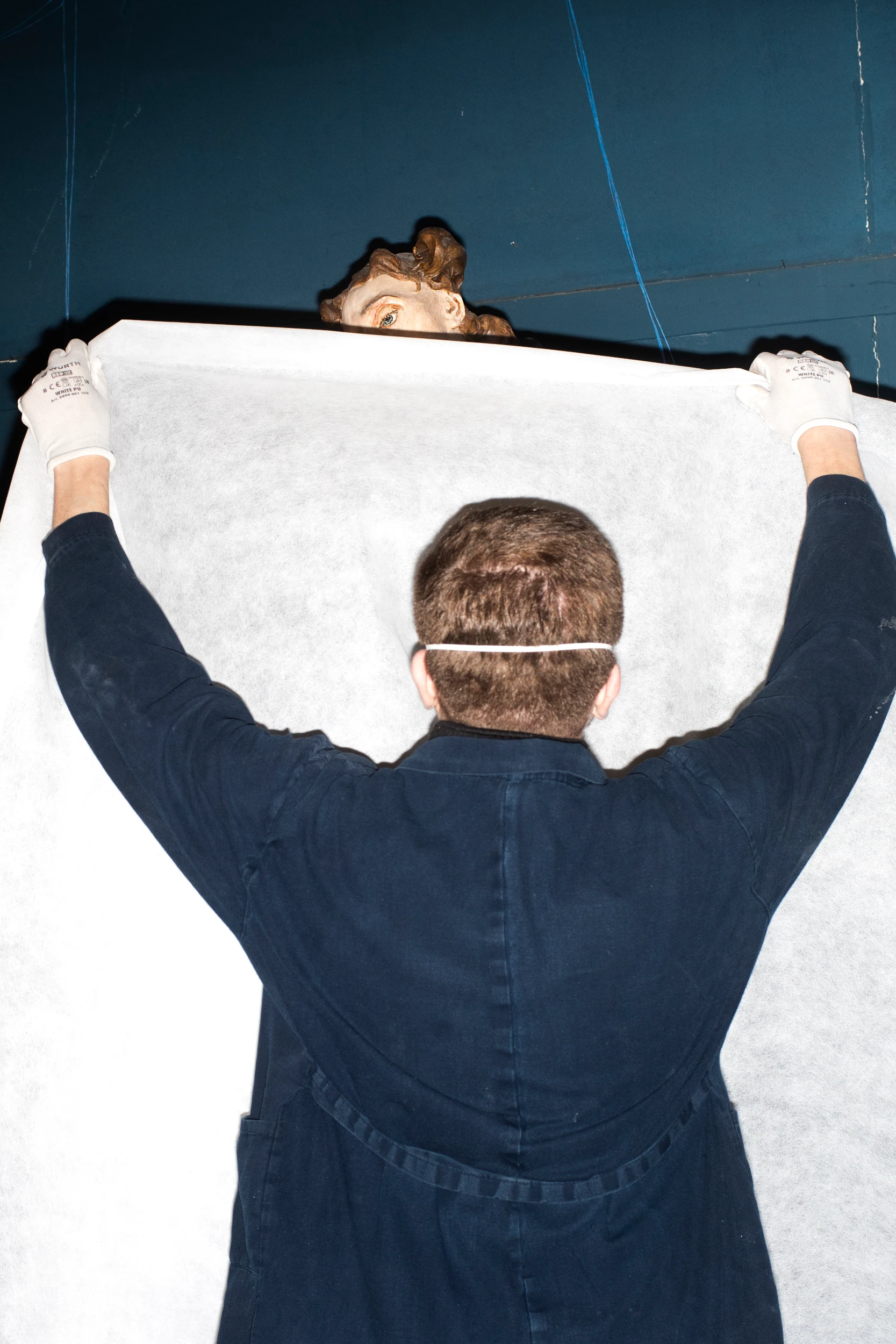
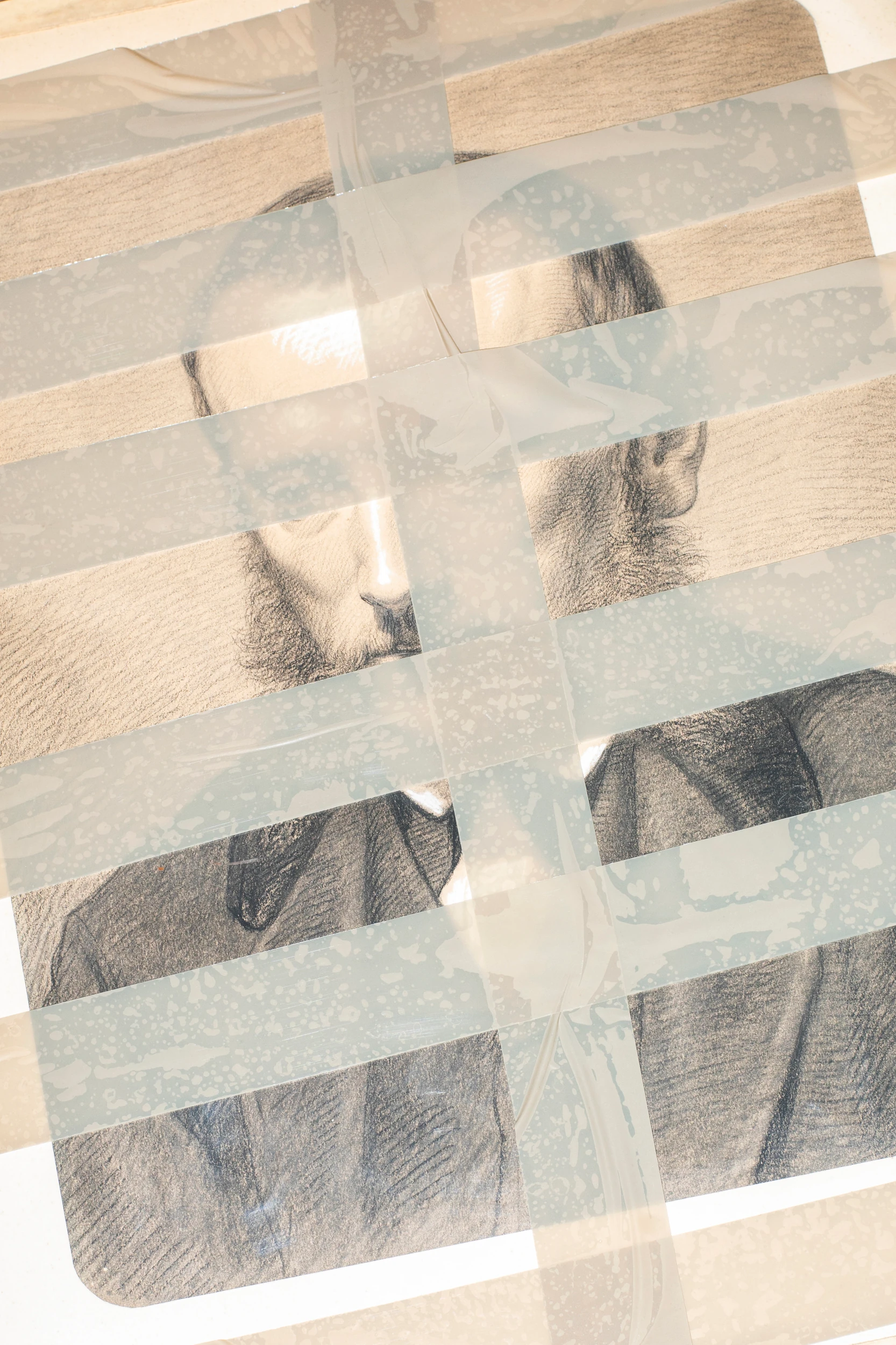
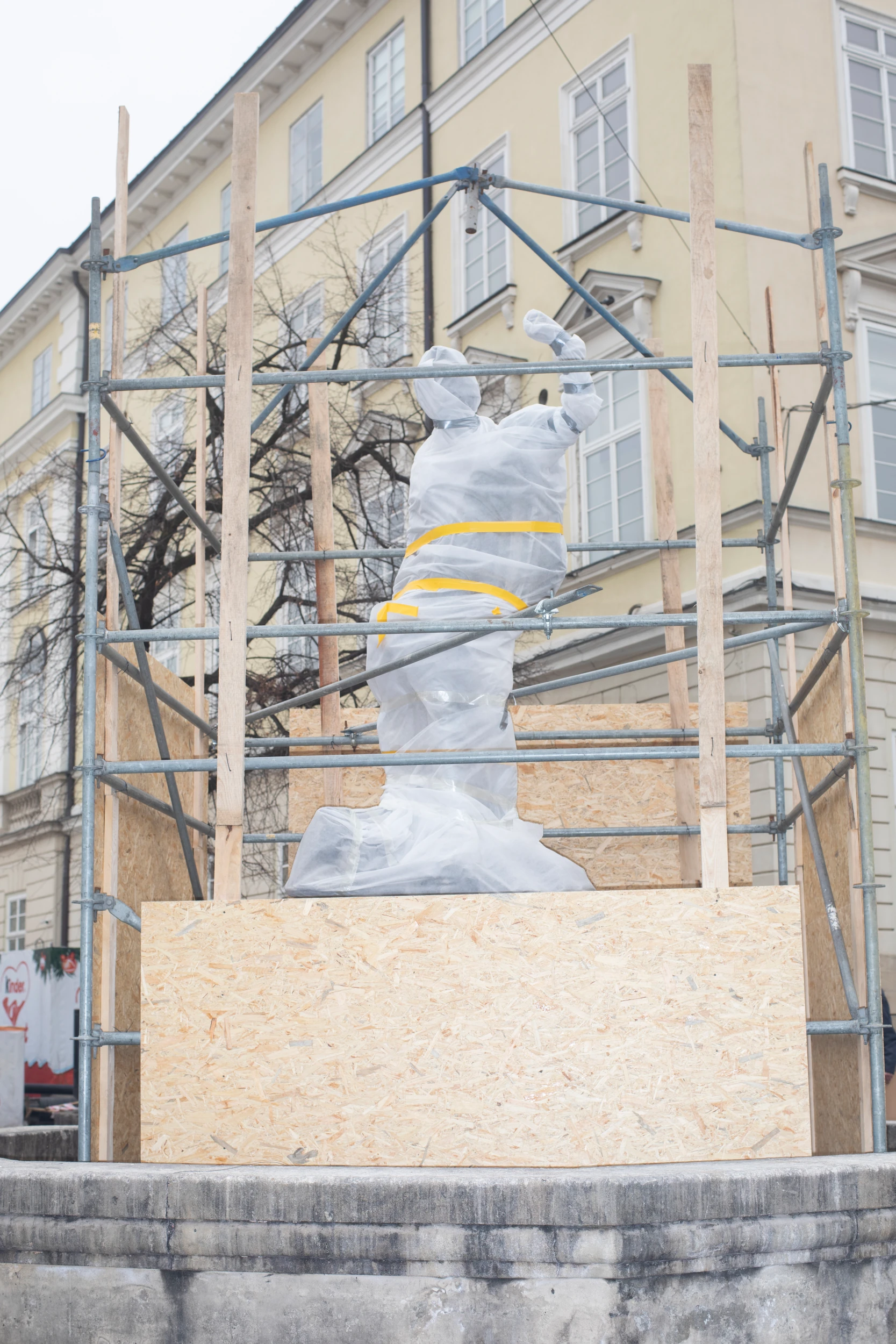
Since February 2022, her approaches and visual stylistics have changed. The war in Ukraine is the reason. Active hostilities leave no time for reflection. The artist’s role and focus get reoriented. Documenting rapid transformations in the country and historic moments become prioritised. In a time of chaos and adjustment to new reality, you “cling to all that is stable and familiar”, Elena Subach says. “Photography becomes a tool for transforming precarious unknown into material evidence. It is mandatory to invent a new visual language and new definitions in the spirit of the new time”.
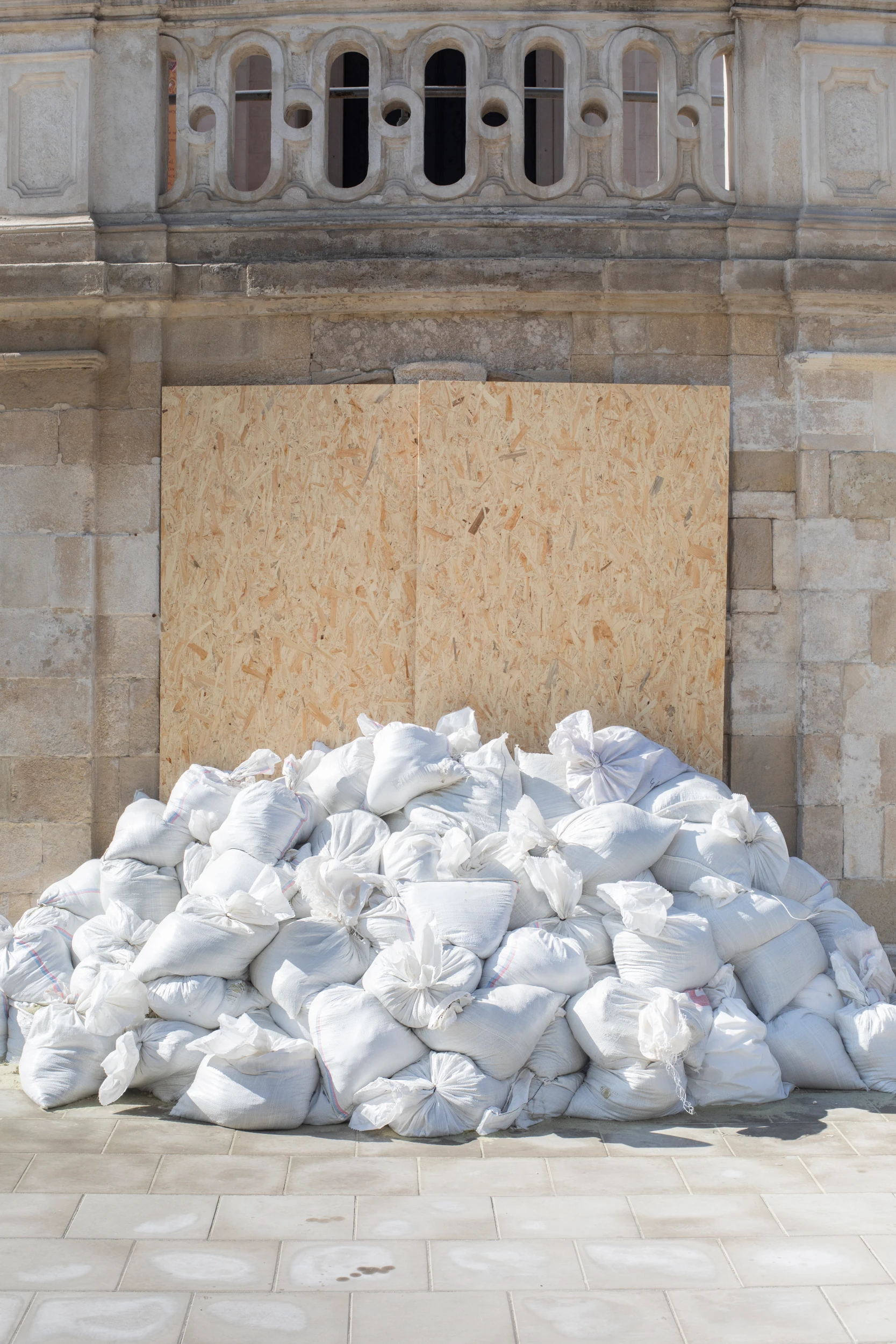
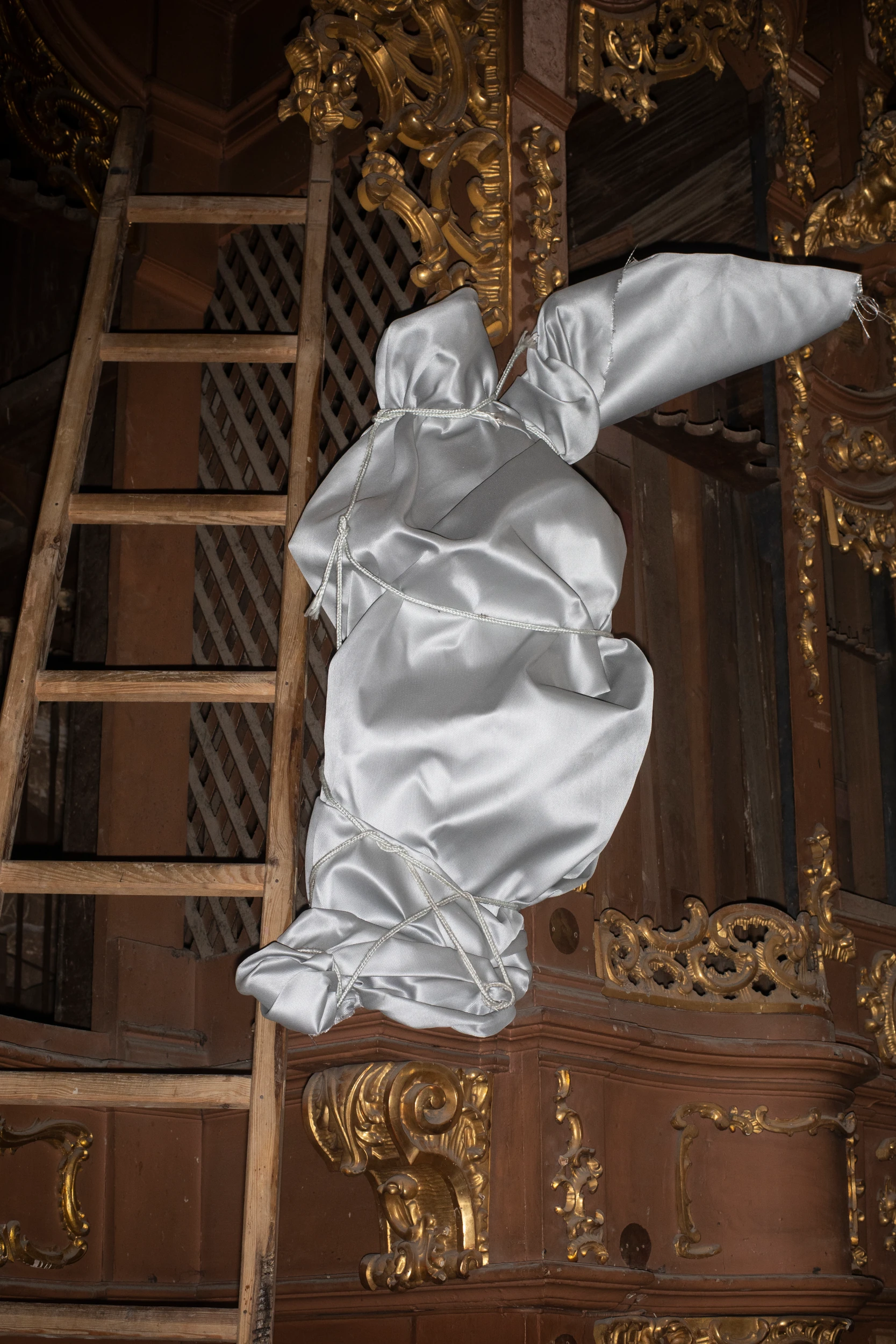
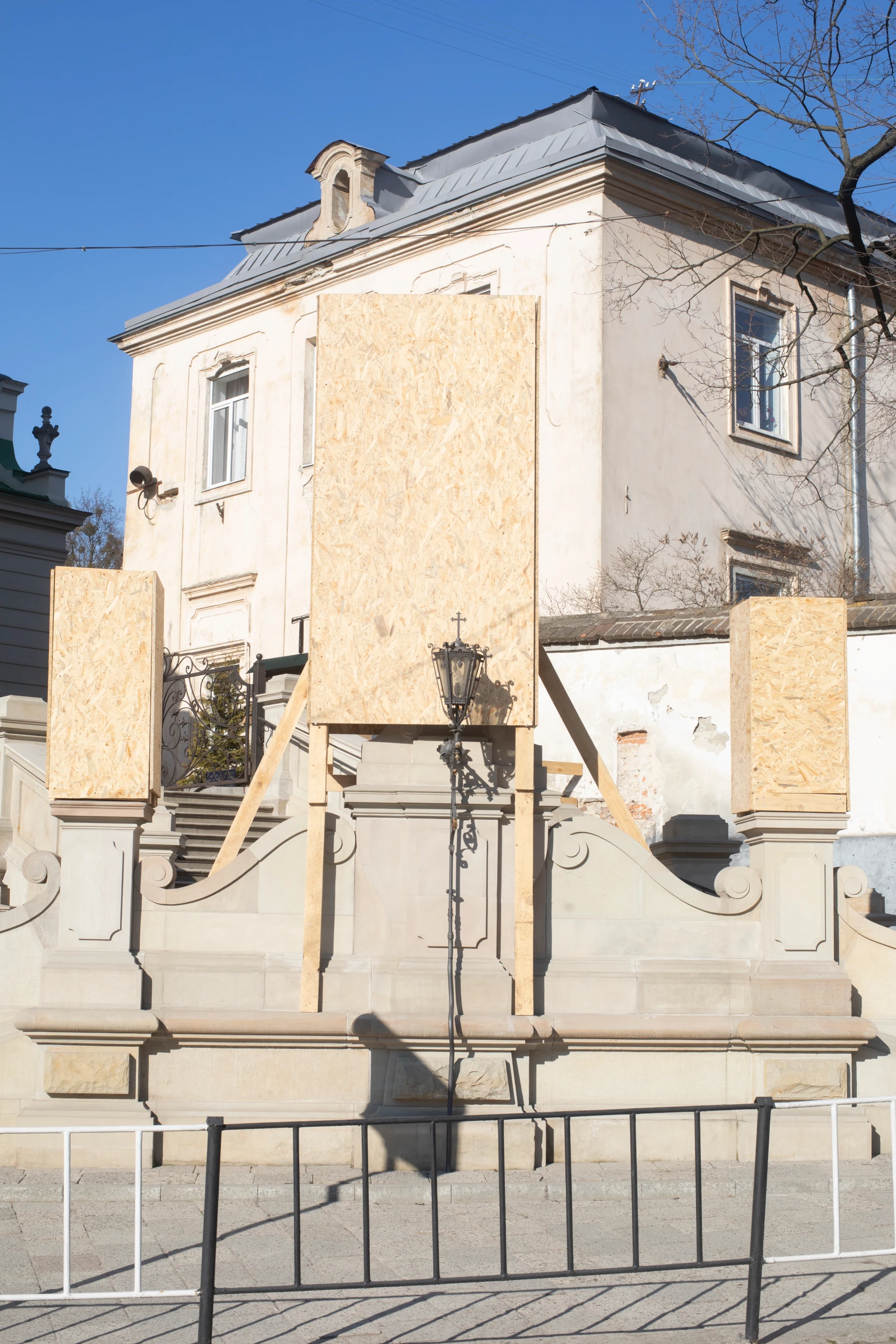
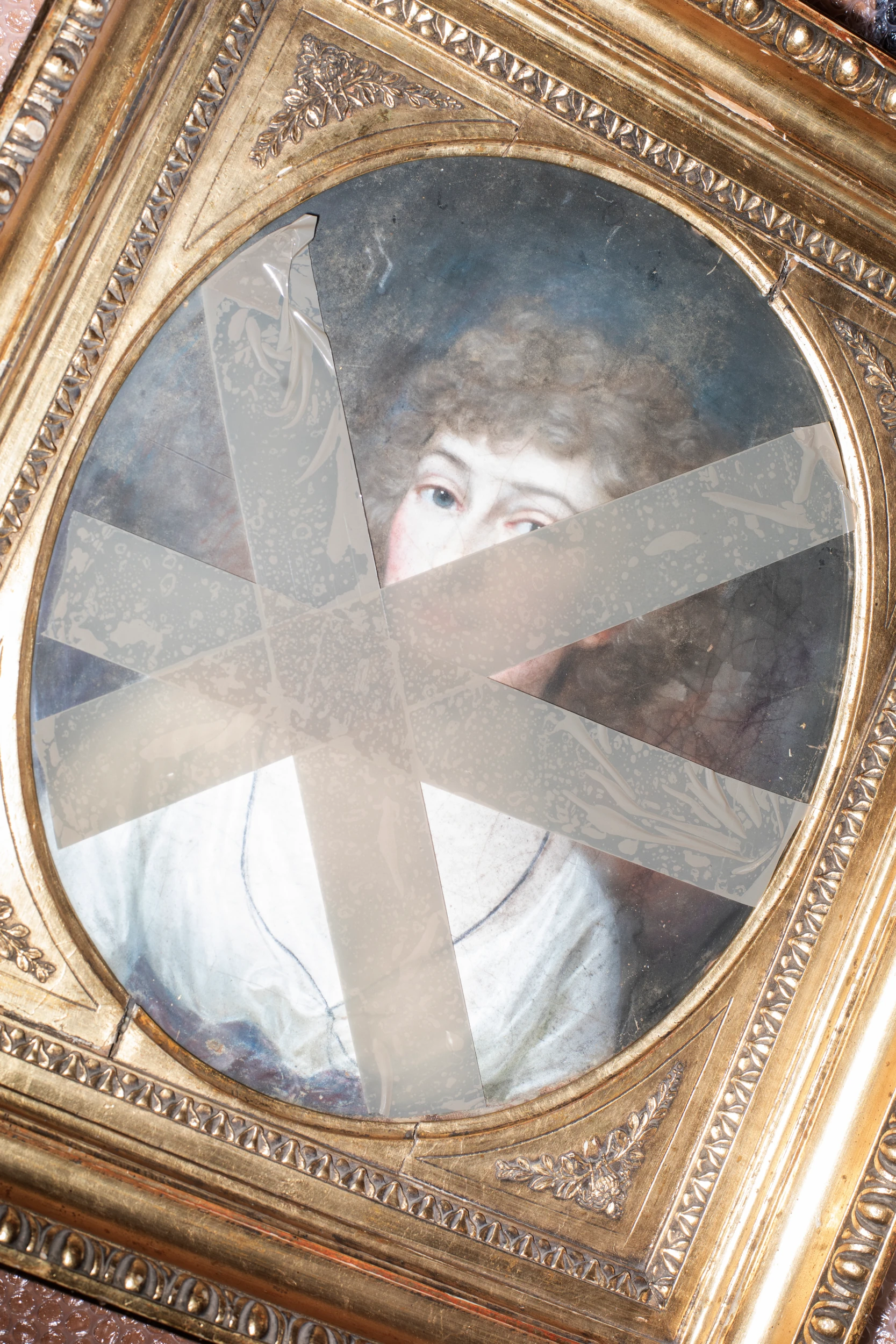
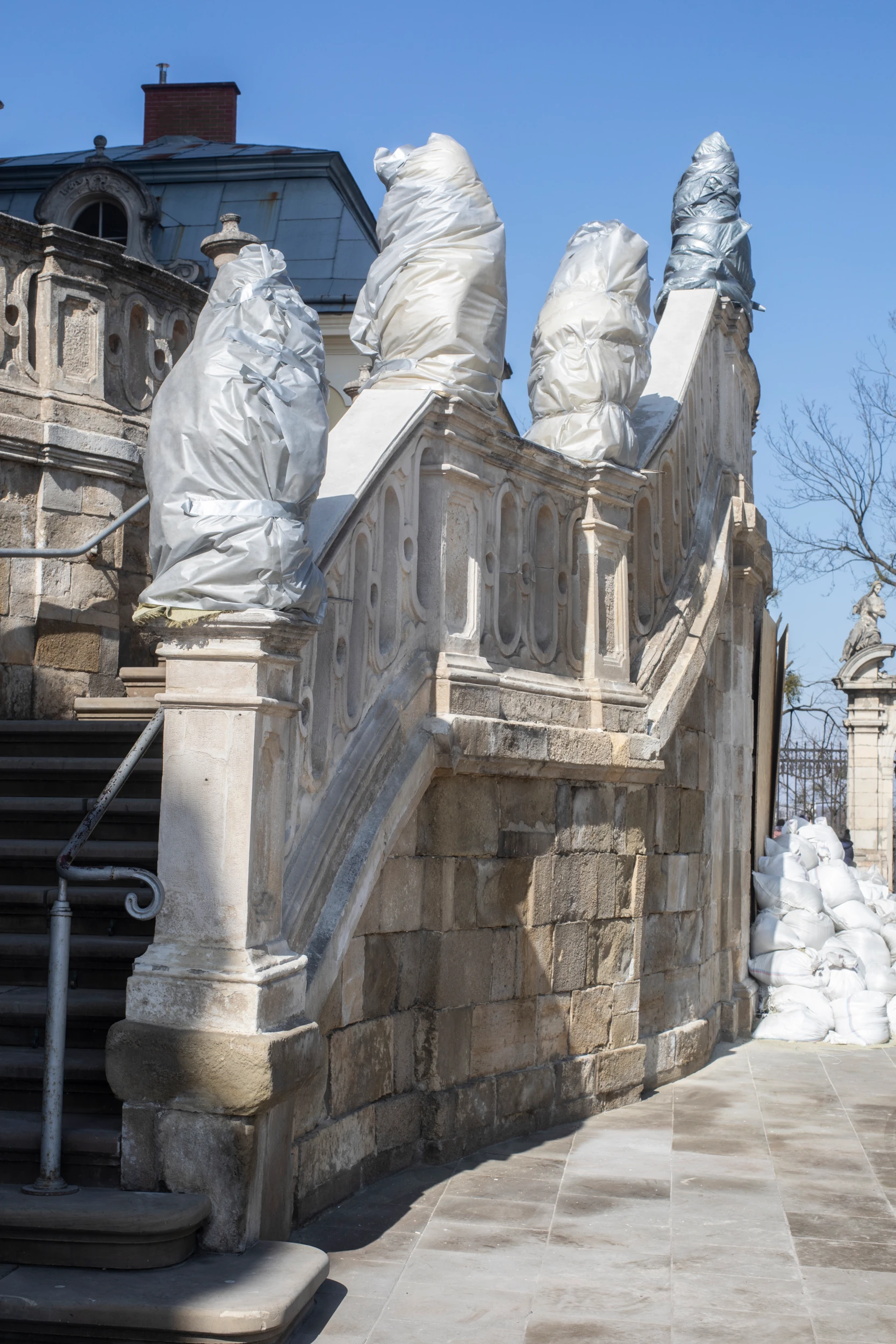
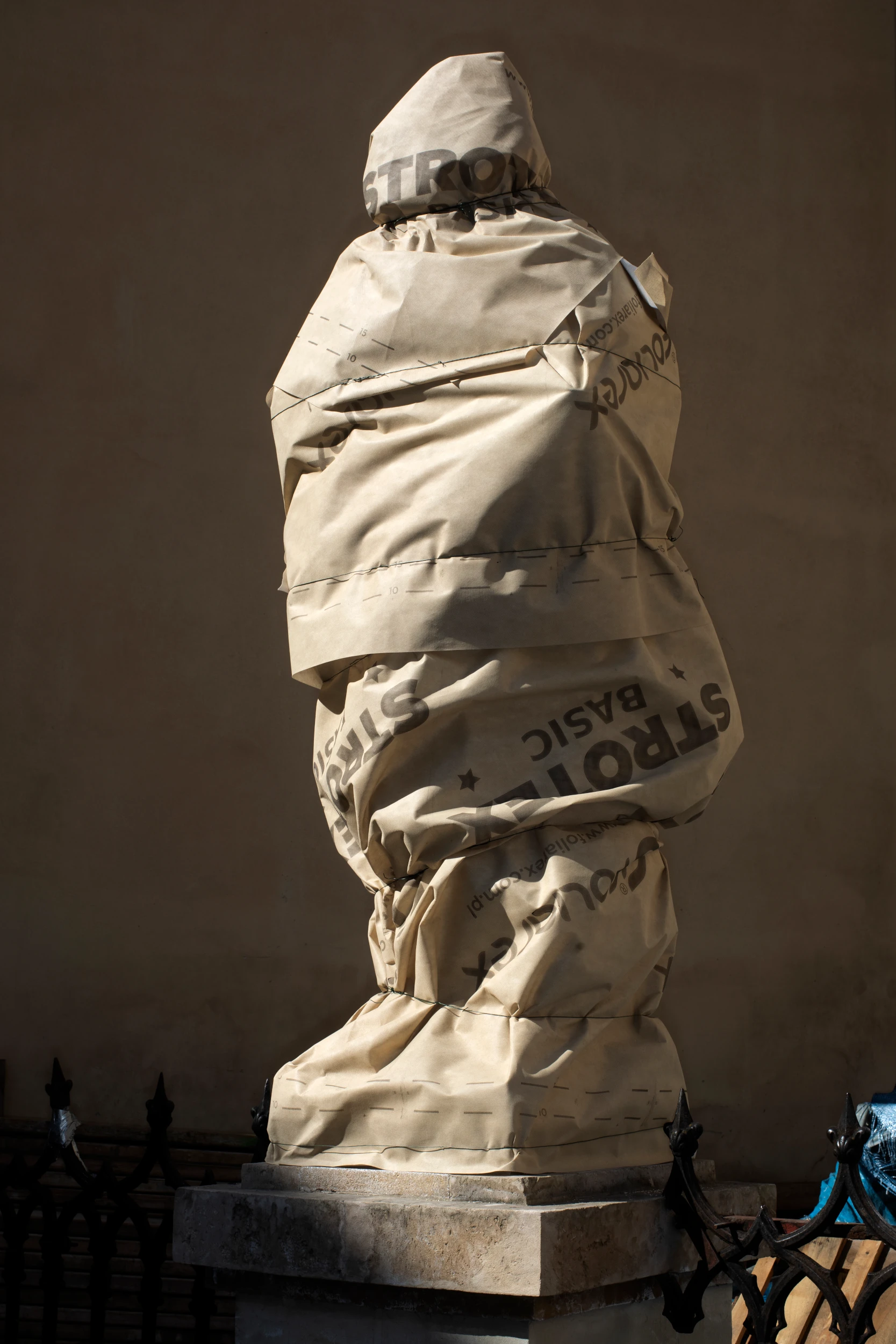
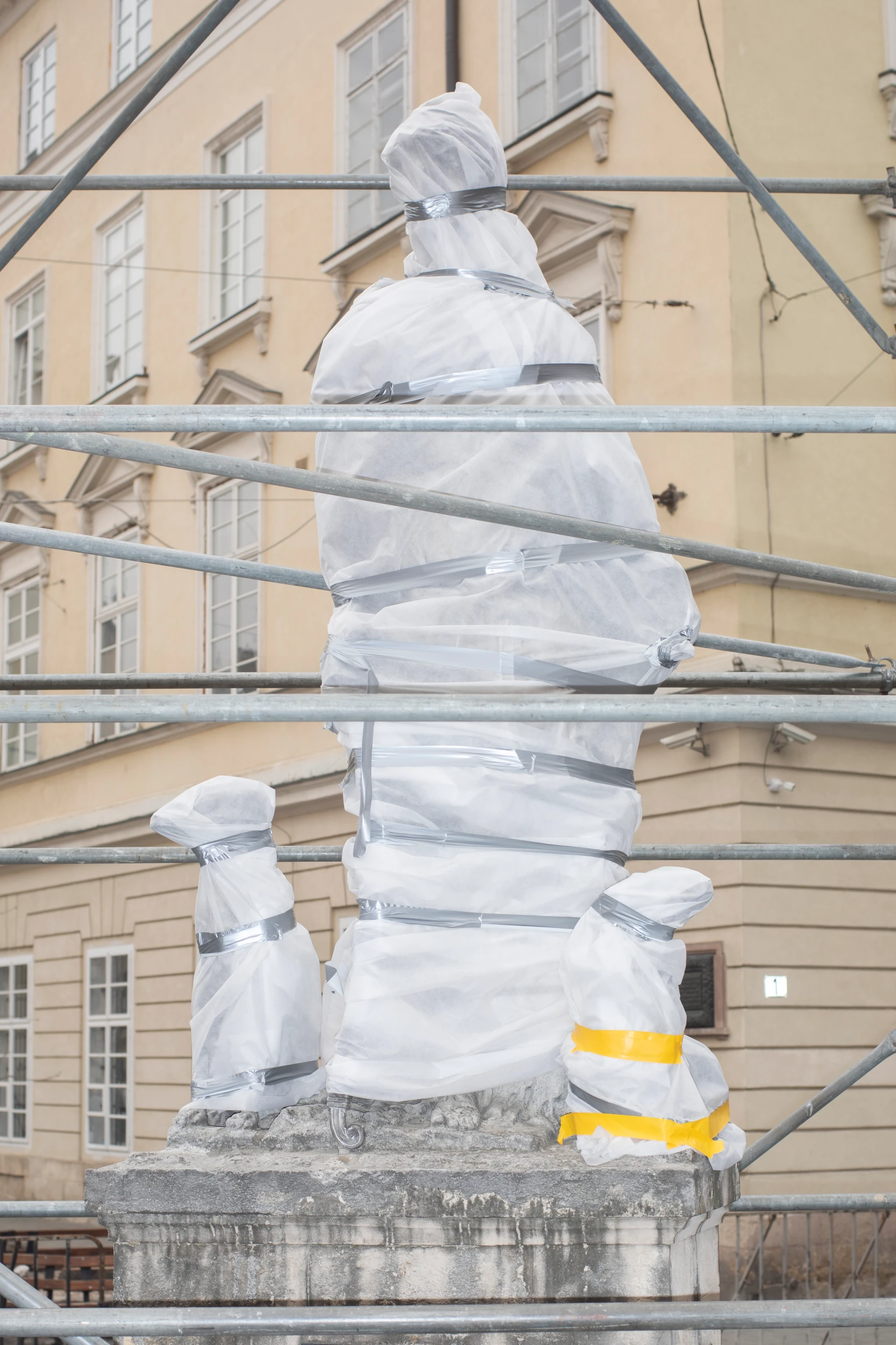
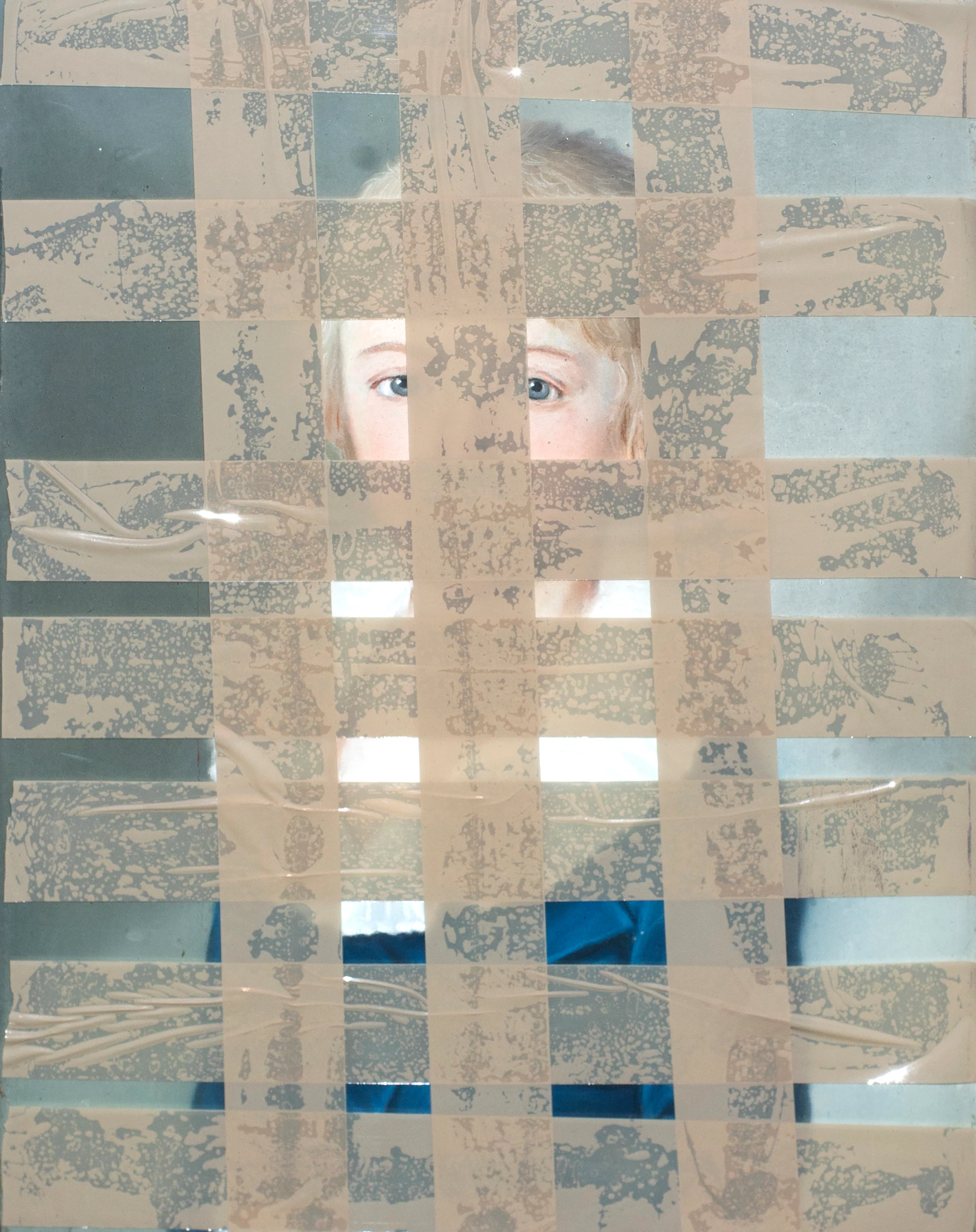
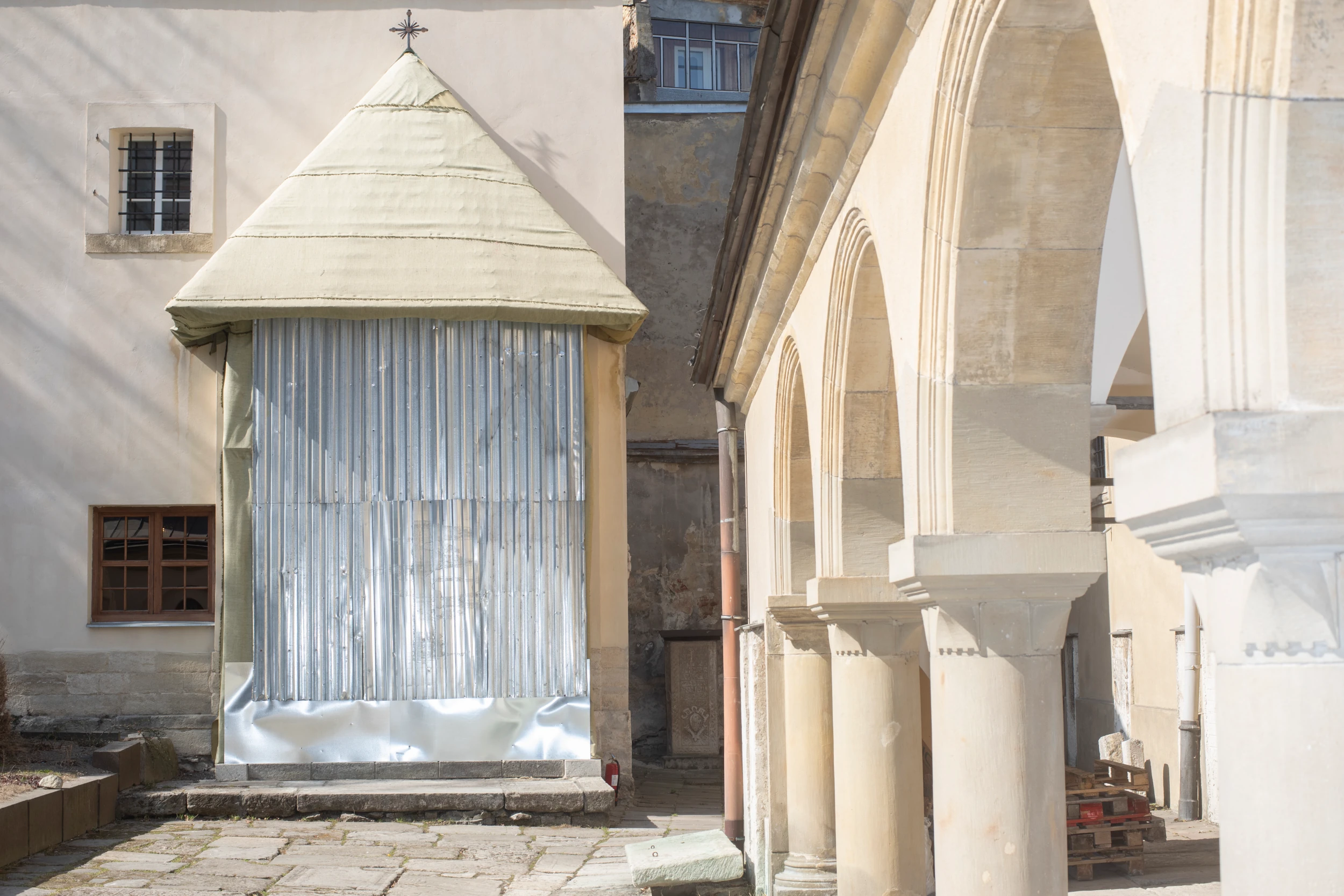
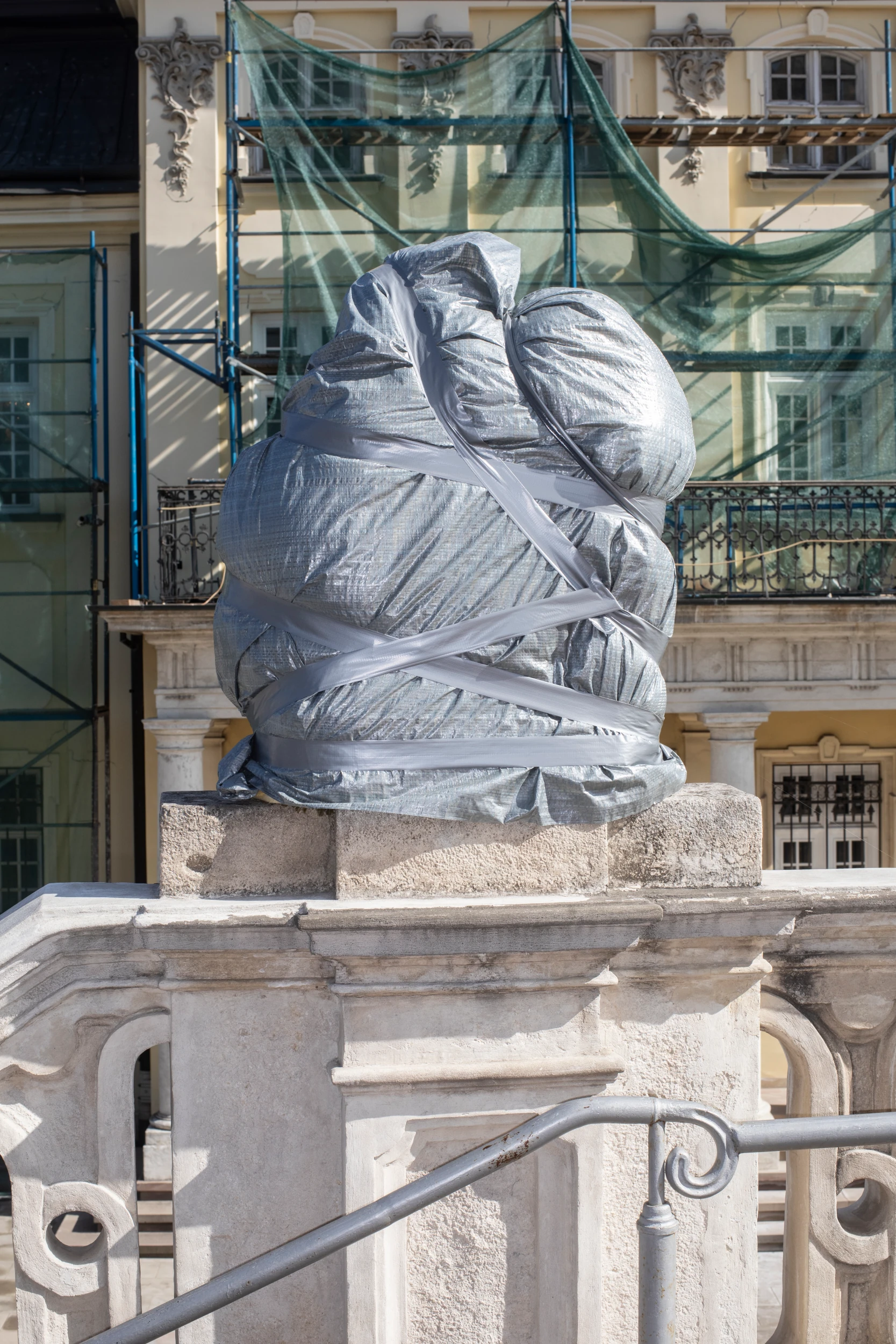
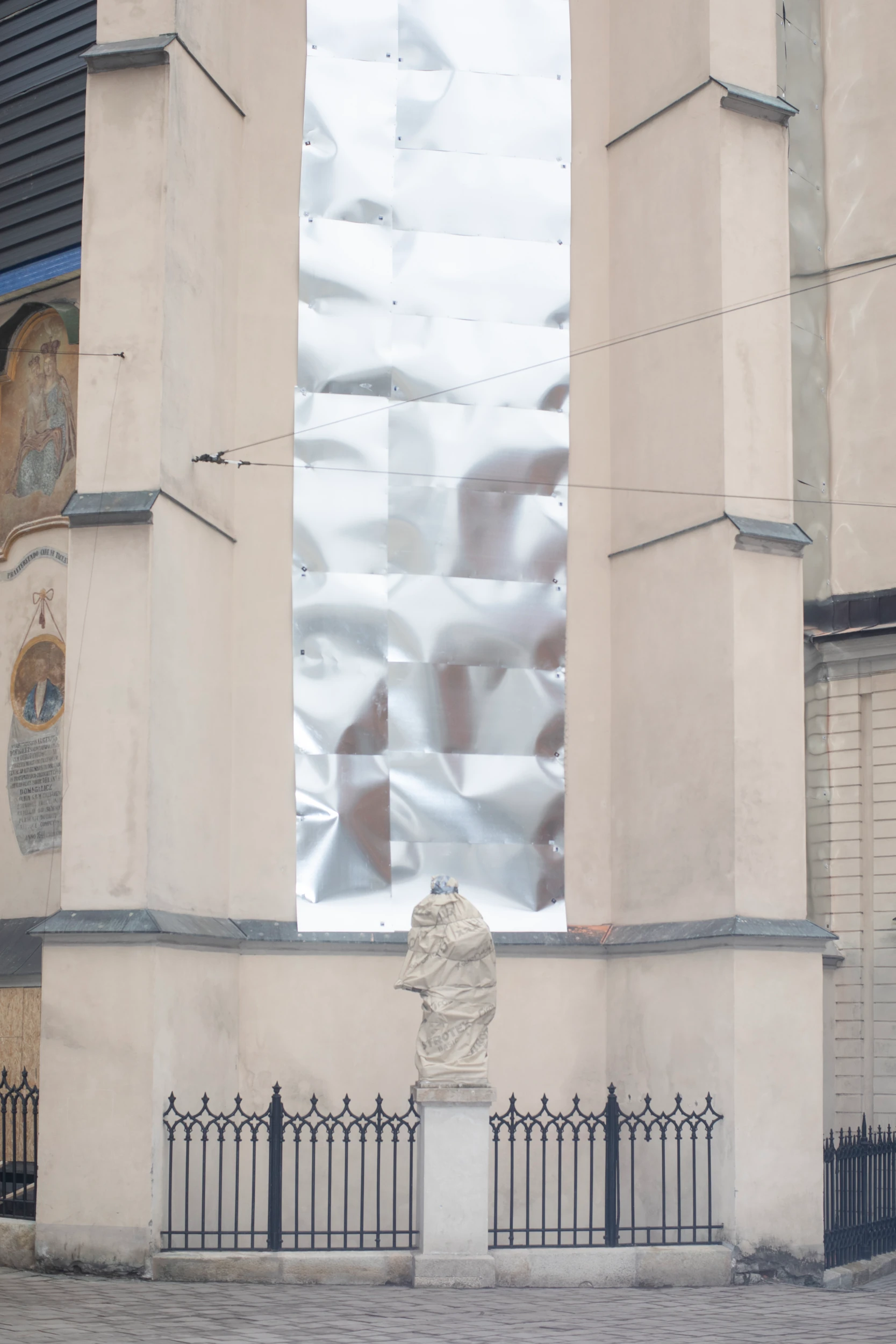
Elena Subach spent two months recording the processes of protecting cultural heritage in Lviv. She produces HIDDEN as a result. This series is a direct gaze, straightforward documentary photography with no additional stories―only recordings of people’s actions during wartime and the transformed images of classical sculptures and paintings. The observations take the form of a visual diary―fast responses to the latest events. Subtle colours and melancholy in the eyes, frozen in time behind the transparent film and adhesive tape to create an effect of temporary concealment of the country’s visual treasures. Metal plates reflect rays of sunlight onto passers-by and the streets, throwing back extra light and hiding unique stained-glass church windows. Works of art and architecture freeze in a temporary dream behind chipboard and metal plates, film, and fabrics. Classical art is displaced to storage, freeing up space for urgent present-day reflections and documentary projects recording historical events and socio-political transformations.
In HIDDEN, Subach documents the changes in her hometown and expresses her emotional state. She is deeply moved by the hard work, care, and energy of people dealing with the conservation and protection of cultural legacy. These are not only restorers and museum workers but also independent professionals, musicians, psychologists, and artists: anyone with time on their hands volunteers to help. A common goal brings together people from all walks of life. Elena takes great care in showcasing their work. In her photographs, time freezes, history pauses, and gentle colours create an atmosphere of care.
War is always about destruction and preservation in the same space, and the goal of Ukrainian artists and restorers is to keep and record all the changes.