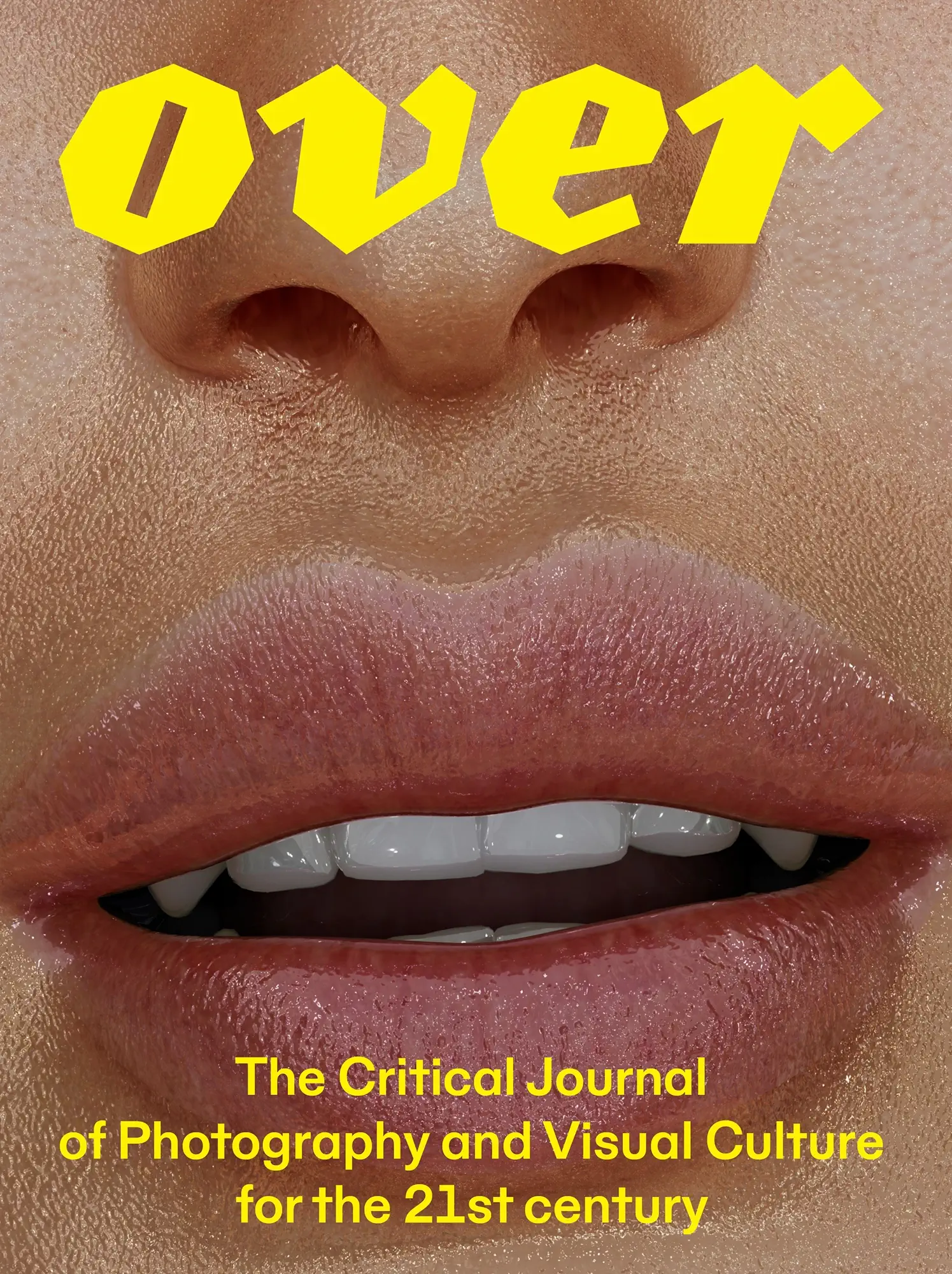


Sixteen Minutes of Darkness
They have turned off all the lights. In your house, your neighbourhood, your city—nothing is visible at night, and you have to move around using touch, remembering where things were and how big they used to be. Now you only have your hands and ears to navigate the three-dimensional world. Darkness has swallowed everything. You feel confiden —you already knew this. Others had told you: what it feels like, what to do, where to go. Though you start wondering what you will do during these sixteen minutes when you can’t see anything. No matter how much advice you were given, in the end, you are alone—facing potential pain, colds, imbalance, or snake bites. Anything that happens to you in this darkness could be the end—the kind of darkness no one wants, the one that lasts forever.
You sit in your armchair, which now feels softer, but also warmer—almost sticky. You can feel the shine that comes from wear and the grease of a thousand hands on the armrest. A thousand hands, a thousand different versions of your own, because no one else is here with you—you are alone.
Once seated, you decide to close your eyes to create the illusion of control. You think that by closing your eyes, the darkness will be easier to bear. Like people who go swimming in the rain, masking their submission as a personal whim. Juggling cause and consequence, you hide the roar that prompts your escape with a joyful shout. Your own? Yes. Forced? Also.
You adjust yourself, making sure your bones are aligned, your shoulders not hunched, like always, your breathing steady. You think these sixteen minutes of darkness will be like an unguided meditation from which you will awaken wiser and more aware, but it turns out to be quite the opposite.
You are pushed, and understand that you must stay silent—even though you have said nothing. A dog approaches, and you pet it. In the distance, there’s a palo verde tree, and you are lined up with twenty-three others. Two armed men arrive and talk amongst themselves. You squeeze your hands, trying to feel the worn armrest again, but instead you are gripping a backpack that’s been too heavy for two weeks—more than you wanted to admit. What to leave behind? Your toothbrush? Just a few grams more! The photos? The mirror? What use is a mirror in the dark?
At least five minutes must have passed, and there you are, seated and in formation, remembering the exact moment you chose to face this. It was during a conversation with your mother—she spoke proudly of your cousin, who did this when he was barely a teenager. You have a beard now, barely; men from your region barely grow four hairs on their chins. What a good name that part of the face has. And what are you doing thinking about anatomy when you would rather be watching a telenovela, practising a dance from the internet, or looking at the map someone sent you from El Gabacho.
Several people have spoken to you about these sixteen minutes. For some, it went well. They made it to the other side, opened their eyes, and saw an empty parking lot, and a pickup truck came for them. They harvested oranges and weeds, with scissors of various sizes. They sent money home. Helped the village. Their mother now has one of the biggest houses—still not beautiful, the bricks remain exposed. You saw how she left a massive space for the fridge—almost a cold chamber where the whole family and village could fit.
Why did you choose the armchair and not the bed? In the dark, lying down instead of sitting, maybe you would have fallen asleep—and instead of sixteen minutes, you would have gone sixteen hours and would already be on the other side. But deep down, you know why. The armchair cost $4,500. The bed, $8,000. You don’t know if you will be able to repay what you borrowed, and you can’t afford to upgrade to a flexi class, which allows changes and more legroom.
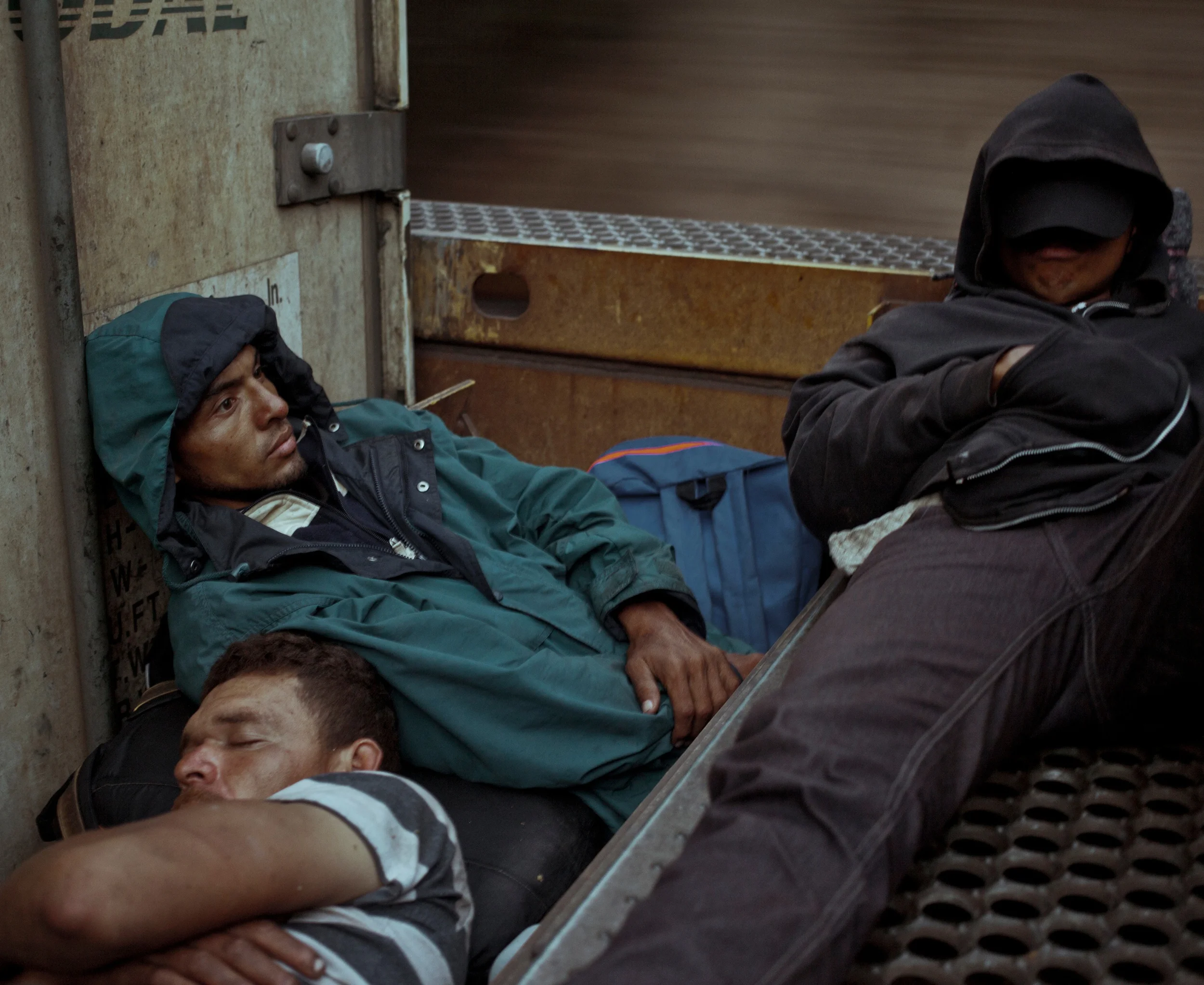
Your legs remain well placed, feet aligned with knees to avoid injury or cartilage wear. You came at full speed down a dirt road, in the back of a truck stripped of seats so others like you could be piled in. Towards the end, they paused for a few seconds to let in two more with a flashlight. Up front, where the driver and the man with a runny nose sat, a woman tried to make conversation. In the back, a man is forced to float, using his arms to keep balance in the crowded van. They got off before the end and opened the back door. They pointed a flashlight and started silently taking photos. You turned your face away and closed your eyes again—it’s better not to know or think too much. With the pitch-black desert night, it’s better not to speculate.
The other twenty-four, lined up in two rows of twelve, are also in their respective chairs, waiting for someone to come home, turn on the lights, and wait for a call or some money to fill the void of the bed and fridge.
They’ll take you up a hill, and there you will see your path—dry riverbeds altered by the wind, animal tracks, repeating landmarks, unnamed corners, and dust, heat, and little water. The chroma key of this journey, where the landscape adapts to each person’s dreams, is not made with green, but with black—and with everything that disappears effortlessly.
The water is in a black bottle and tastes like something chemical you don’t want to identify. The water won’t be clear until you arrive. The bottles are made by a man with a machine that takes up all the space in his house. They are built from the fruit crates you will later carry.
You won’t eat fruit for the next ten days. From the hill, they’ll show you where to walk and give you a phone with no signal. You will have to hide until someone finds you—someone who left without knowing where to go. Too much time has passed, and they’ve told the flashlight and camera crew to go home. She approached discreetly and asked where you were from. You said Guatemala. But you couldn’t see how fear stopped her from asking more or wishing you well on your journey.
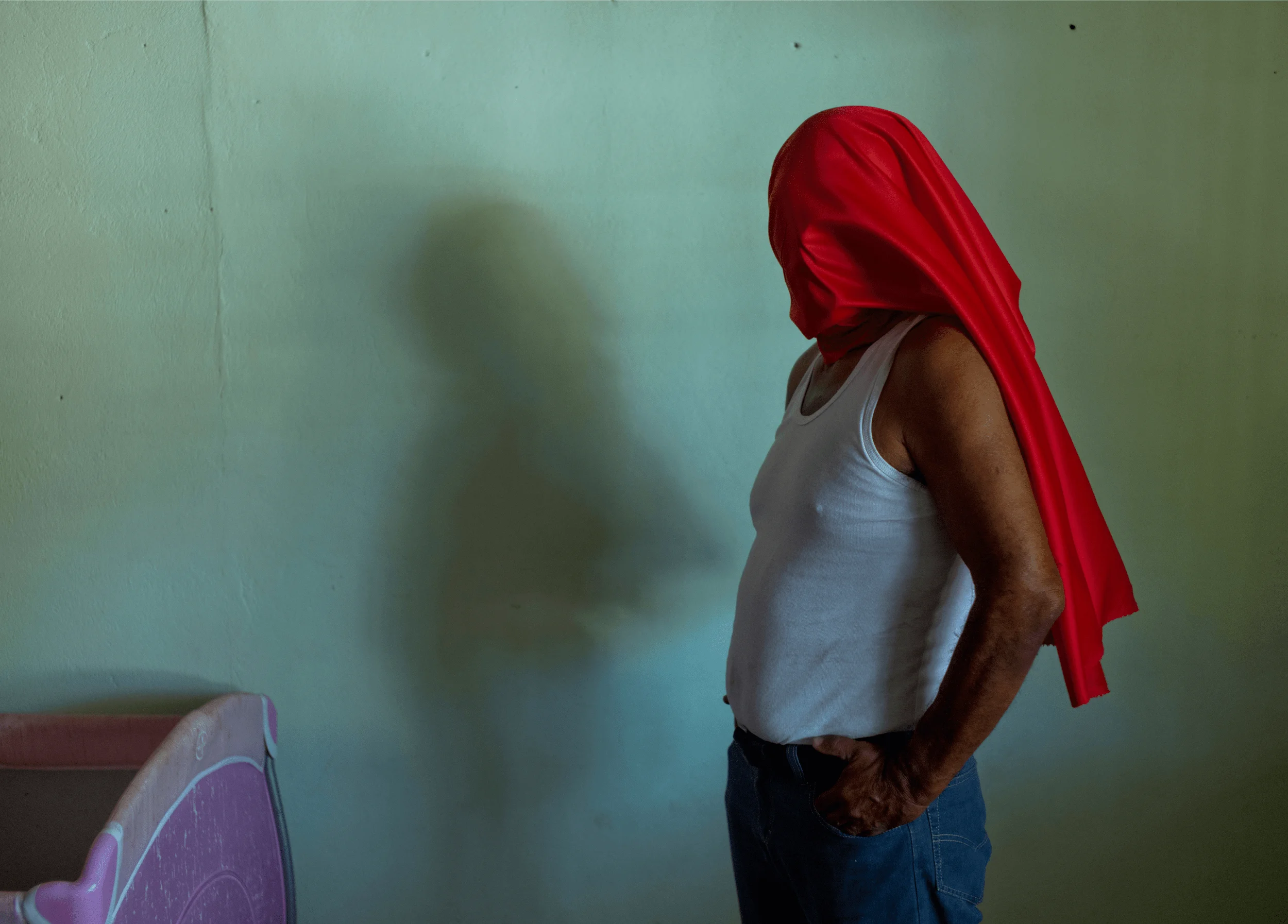
Twelve hours later, she’ll receive a video of someone like you, dead in the desert, legs curled up in perfect symmetry, the rest of the body covered by a damp blanket. They’ll say the body has been there for two days, on the Mexican side of the rail that separates darkness from flickering light.
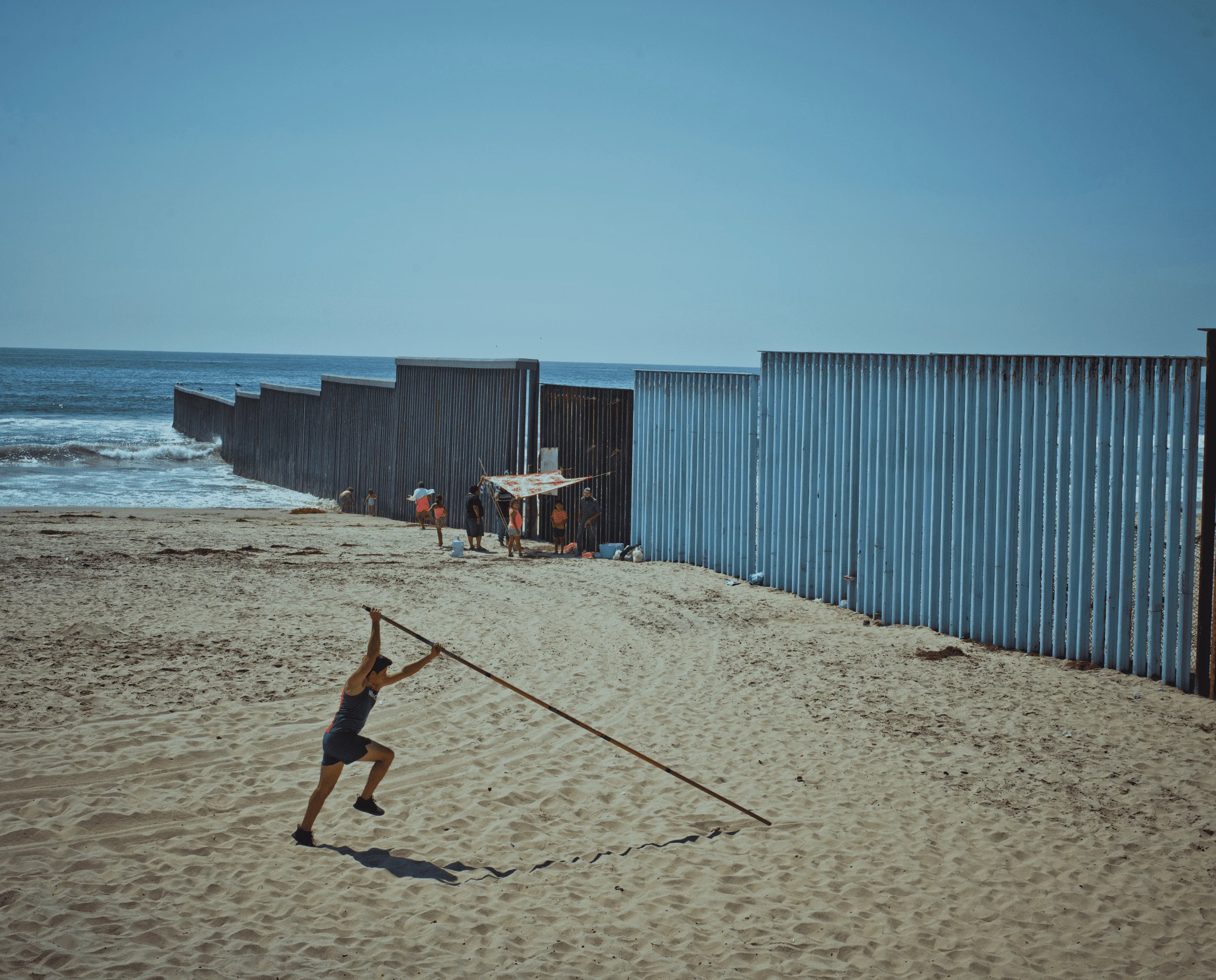
But don’t worry—everything will be fine. Your backpack won’t weigh you down, you won’t be separated from the group, you will have enough water to walk those ten days, and you won’t fear coyotes—they’ll move aside as you walk with your eyes closed. You won’t be in that video, and your mother will be able to fill the gap in the giant fridge you promised. She’ll fill it with food and come visit you, even if she doesn’t understand anything. She’ll bring her documents to have them painted green, so everything becomes normal again, even if you are surrounded by people who don’t want you nearby. You know you are never going back—so they better get used to seeing you and looking into your slowly opening eyes.
You are nervously scratching the velvet worn to satin with your index finger. Your legs start trembling. Ahead is someone who looks just like you, in the same camouflage uniform sold a few kilometers away. You imagine the crown of the head of the one ahead, but can’t see it—it’s still dark. You don’t talk, don’t get to know each other, and don't want to form bonds that would complicate the betrayal that might save your life. You do it all for love—but these people you travel with, you will have to distrust, hate even. You'll have to crush them so they don’t slip into your backpack like useless stones.
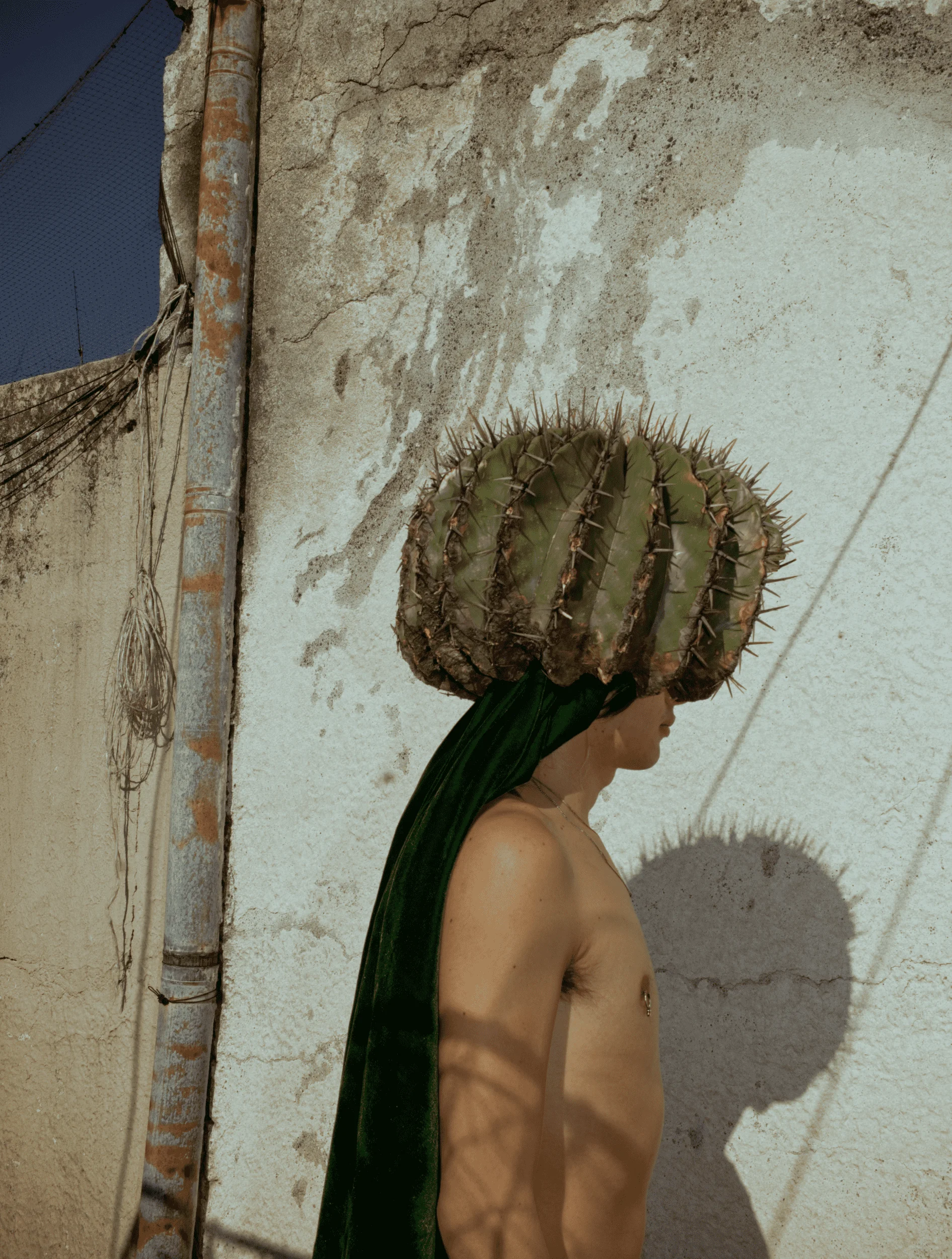
There must be only a minute left. You can’t believe you are still sitting in the dark, after everything that’s happened, everything you have learned, everything you have seen with eyes that remained closed despite cactus pricks, fireballs crossing Papago homes, and the dead coyote by the road—who didn’t make it because he drank a whole bottle of cocaine before setting off.
Cristina De Middel
May 14th, 2021
All the images featured are from the series Journey to the Center, and are entitled El Rey, Dormidos, En el Último Trago, Amor del Bueno, and Inocente Pobre Amigo respectively.