


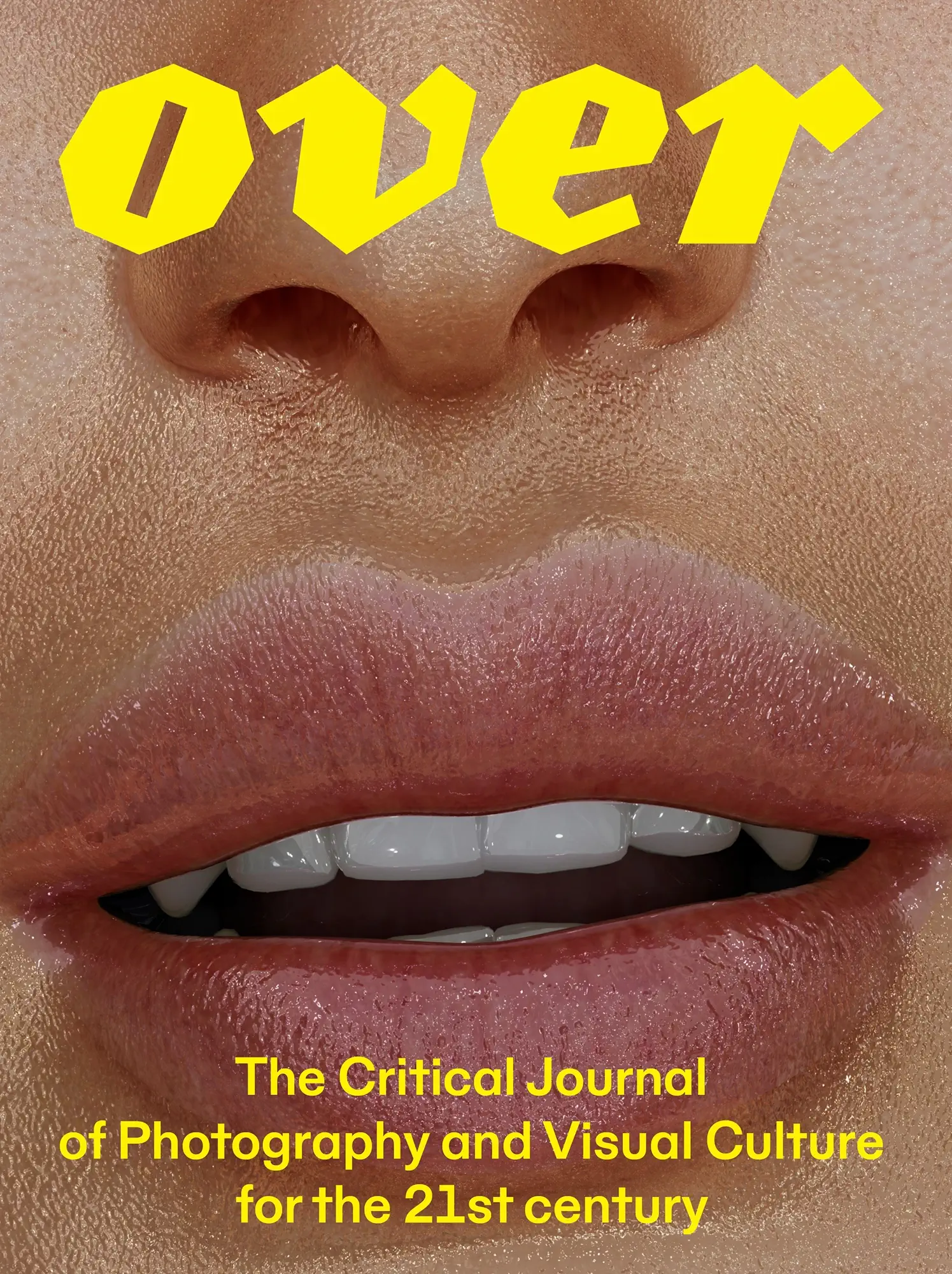


Ashes and Bloom
Ada Zielińska’s compelling artistic practice, encompassing photography, video, and installation, serves as a powerful lens through which she examines the intricate and often paradoxical relationship between destruction, transformation, and profound societal critique. Her work consistently challenges ingrained perceptions, daring viewers to confront discomfort and to unearth new forms of beauty, meaning, and understanding in the most unexpected and often jarring places.
At the core of Zielińska’s vision lies a pervasive and deeply explored motif: the automobile. This familiar object is relentlessly subjected to a myriad of provocative interventions, becoming a central character in her explorations of chaos and renewal. In projects such as Pyromaniac’s Manual (2020), cars are deliberately set ablaze, their metallic forms consumed by the raw, untamed power of fire. Similarly, in Love, Panda (2021), vehicles are dramatically submerged and pulled from water, creating a spectacle of controlled catastrophe. These aren’t random acts of vandalism; they are meticulously orchestrated performances designed to reveal the primal allure of fire, the unsettling beauty of objects in distress, and the strange intimacy that can emerge from destruction. For Zielińska, this seemingly destructive process transcends mere spectacle; it becomes a deeply personal form of self-therapy, a cathartic means to confront and work through internal struggles by transforming an everyday object through a process of symbolic obliteration. This concept is also present in Fondue (2018), where Zielińska draws a surprisingly profound parallel between the mundane act of melting cheese and the deliberate melting of a car’s lamp. This juxtaposition highlights her belief that manufactured destructio can be as satisfying and generative as creation itself. It blurs the conventional lines between usefulness and ruin, inviting us to appreciate the raw, sensual beauty found in an object in a state of becoming—no longer what it was, but something entirely new and intriguing...Read the full article in the printed issue. Get OVER Journal 5
Find out more about Ada Zielińska and István Virágvölgyi's practices at:
viristvan.com
adazielinska.com


