


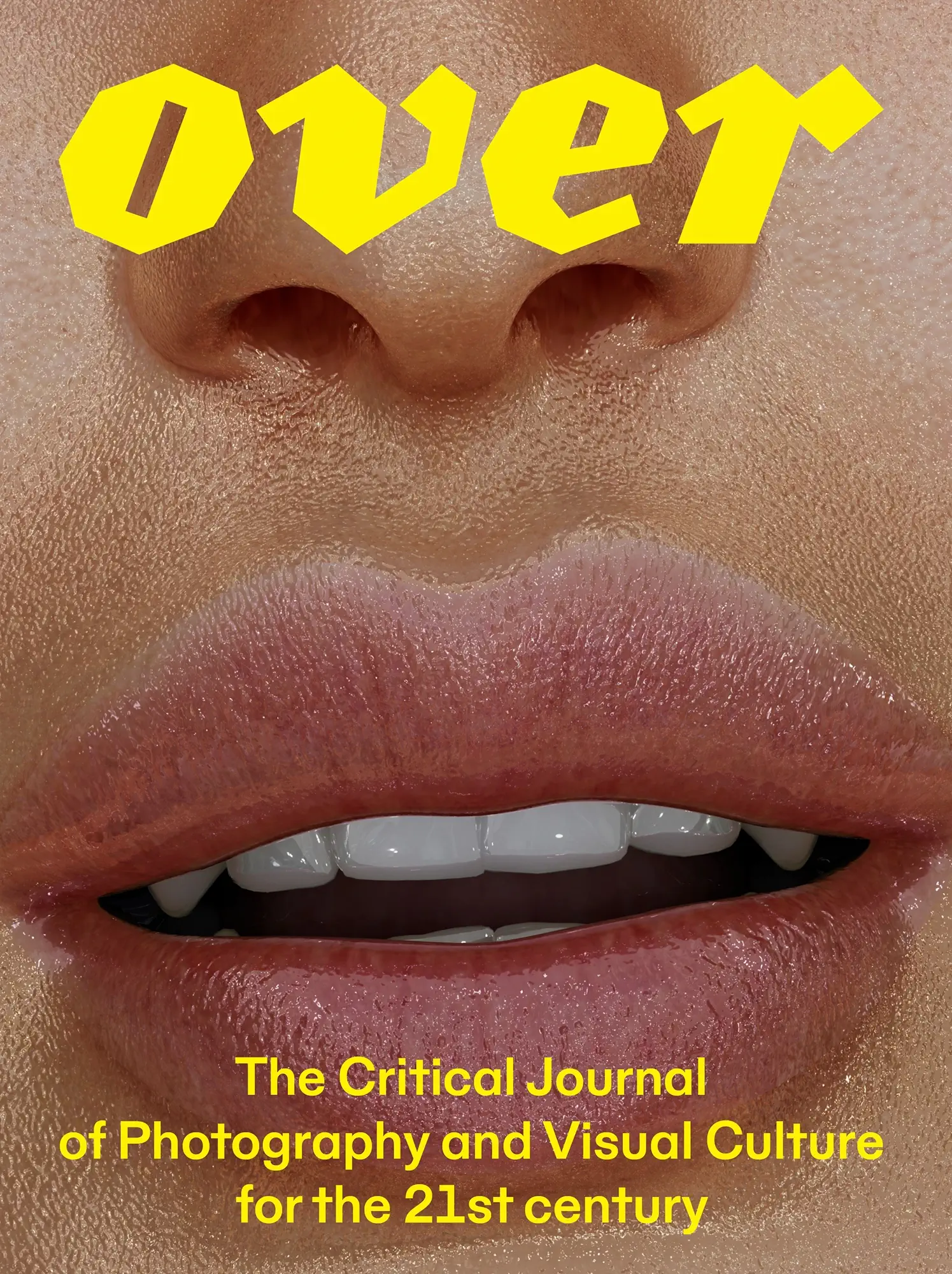


The Metamorphosis of Art
The term metamorphosis, as is well known, comes from classical literature. When Ovid used this term, which was foreign to him, to give his work its title, he was performing a dual operation. On the one hand, the work described the flow of forms into one another: everything is transformed, but precisely for this reason, ultimately, nothing dies. In reality, as the last book of the work shows, it was a true metaphysics of reincarnation, in which the mutability of things corresponds to an absolute continuity of life, which, precisely because it is capable of changing form, cannot be defeated or destroyed by any of them. But alongside this theory, Ovid implicitly drew another, concerning the very nature of literature and, more generally, of art. If the myths and tales collected in his work focused with such obsession on stories of transformation, it is because myth itself is both a medium and a process of metamorphosis: stories are not only representations of past events but mental and physical exercises through which we change skin, cocoons we enter in order to emerge with a different face and body. Contrary to what we all believe, myths and stories do not serve to record and give stability and eternity to a culture, but take it elsewhere, disfigure it, and give it a new form. This is why we need them. And for the same reason, precisely because they are corridors between different and distant cultural (and temporal) forms, if cultures can die, myth (and one could say art in general) never dies; it is immortal...Read the full article in the printed issue. Get OVER Journal 5


